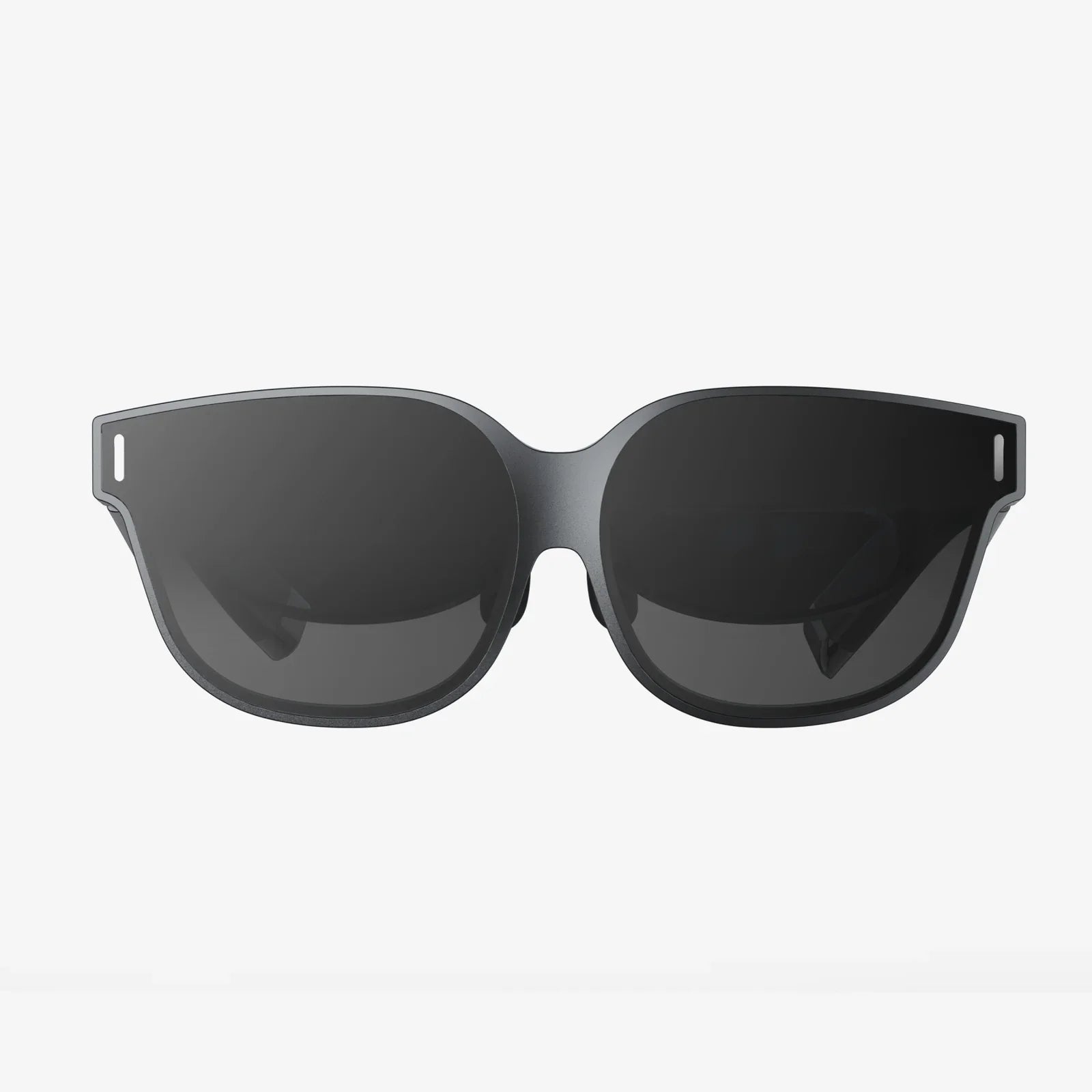
You’ve heard the buzzwords echoing through tech conferences, news headlines, and science fiction: the Metaverse and Virtual Reality. They are often mentioned in the same breath, used almost interchangeably in casual conversation, creating a fog of confusion around two of the most transformative technological concepts of our time. But what if this common conflation is blinding us to a much grander, more complex digital reality? The truth is, understanding the nuanced yet profound difference between a fully immersive headset experience and a persistent, interconnected digital universe is the key to unlocking the future of human interaction, economy, and society itself. This isn't just about better graphics or new gadgets; it's about the fundamental architecture of our next digital existence. Prepare to have the veil lifted as we journey beyond the hype to dissect, define, and demystify the landscape that will define the next chapter of the internet.
Defining the Realms: Core Concepts Unpacked
Before we can contrast them, we must first establish a clear, foundational understanding of each term individually. This is where most misunderstandings begin, so let's build our definitions from the ground up.
What is Virtual Reality (VR)?
Virtual Reality, or VR, is a technology. It is a sophisticated tool designed to create a simulated, digital environment that replaces the user's real-world surroundings. The primary goal of VR is complete immersion. By wearing a head-mounted display (HMD) that tracks head and sometimes eye movements, the user is visually and acoustically transported into a computer-generated world. This world can be a realistic simulation of a place on Earth, a fantastical alien landscape, or an abstract digital space.
The key characteristics of Virtual Reality are:
-
Immersion: The feeling of being physically present inside the digital environment.
-
Isolation: The technology effectively blocks out the physical world, focusing the user's senses entirely on the virtual one.
-
Interactivity: Users can often interact with this world using motion controllers, data gloves, or other haptic feedback devices, influencing and manipulating the digital space.
-
Device-Dependent: The experience is contingent upon wearing specific hardware. Without the headset, the experience does not exist for the user.
-
Contained Experience: A VR session is typically a finite experience with a beginning and an end, like playing a game or completing a training simulation.
Think of VR as the ultimate diving bell. It’s a sealed capsule you enter to explore a specific, deep-sea environment. When you surface and exit the capsule, the experience is over. The capsule itself is a marvel of engineering, but it is a means to a very specific end.
What is the Metaverse?
The Metaverse is not a technology; it is a concept, a vision, and arguably, a future state of the internet. If VR is the diving bell, the Metaverse is the entire ocean—a vast, interconnected, and persistent digital realm that parallels and intersects with our physical reality. Coined by author Neal Stephenson in his 1992 novel Snow Crash, the term describes a collective virtual shared space, created by the convergence of virtually enhanced physical reality and physically persistent virtual space.
The Metaverse is not owned by any single entity; instead, it's a constellation of interconnected platforms, experiences, and worlds. Its defining features are:
-
Persistence: The Metaverse continues to exist and evolve even when you are not logged in. Day and night cycles may continue, events may happen, and other users' actions permanently shape the world.
-
Interoperability: This is a cornerstone of the true Metaverse vision. Your digital identity, avatar, and possessions (like digital clothing or cars) should, in theory, be able to move seamlessly from one part of the Metaverse to another. A sword you earn in one game could be displayed on the wall of your virtual home on a different platform.
-
Massively Scaled: It is designed to accommodate a virtually unlimited number of concurrent users, each with their own individual presence.
-
A Network of Experiences: It is not a single place but a network of interconnected virtual spaces—social hubs, games, virtual marketplaces, digital workplaces, and educational institutions.
-
Embodies the Economy: It features a fully functional economy where users can create, own, invest, sell, and be rewarded for a wide range of work and experiences, often powered by digital currencies and assets.
In essence, the Metaverse is the proposed successor to the mobile internet—a more embodied, experiential, and decentralized version of the web we know today.
The Great Divergence: A Side-by-Side Comparison
Now that we have our definitions, the distinctions become much clearer. The difference is not merely one of scale but of fundamental nature.
| Feature |
Virtual Reality (VR) |
The Metaverse |
| Core Nature |
A technology, a tool for immersion. |
A concept, a vision for a persistent digital world. |
| Scope |
A contained, finite experience. |
A vast, boundless network of interconnected experiences. |
| Persistence |
The world exists only for the duration of the user's session. |
>The world exists and evolves continuously, independent of any single user.
| Access & Device |
Requires a dedicated headset; experience is isolated to the user. |
>Can be accessed through various means: VR headsets, augmented reality (AR) glasses, traditional screens (phones, PCs), and future technologies.
| Primary Goal |
To simulate presence and provide an immersive experience. |
>To create a shared, persistent digital reality for work, socializing, commerce, and play.
| Economy |
May have in-app purchases, but no native, persistent economy. |
>Envisions a full-fledged, user-driven digital economy with property, goods, and services.
| Ownership |
Experiences are typically created and controlled by a single developer or company. |
>Ideally decentralized, built on open standards and protocols, not controlled by any one entity.
This comparison reveals the most critical takeaway: Virtual Reality is a gateway—a powerful access point—while the Metaverse is the destination. You can use a VR headset to more immersively access a part of the Metaverse, just as you use a smartphone to access the mobile internet today. But the Metaverse itself is the broader ecosystem.
The Symbiotic Relationship: How VR and the Metaverse Interact
To say they are entirely separate would be misleading. Their relationship is deeply symbiotic. VR technology is poised to be one of the most compelling and immersive portals into the Metaverse. It offers the most visceral sense of "being there," which is a powerful draw for social connection, detailed virtual work, and intricate experiences within the Metaverse.
Imagine attending a virtual concert in the Metaverse. You could watch it on your laptop screen—a 2D window into a 3D world. This is access, but it lacks depth. Now, imagine experiencing that same concert through a VR headset. You could feel the scale of the arena, turn your head to see the crowd around you cheering, and feel a genuine sense of shared space with other attendees. The VR headset dramatically enhances the Metaverse experience, making it more impactful and memorable.
However, it is crucial to remember that the Metaverse is not exclusive to VR. Many proponents believe the ultimate expression of the Metaverse will be accessed through lightweight augmented reality glasses that overlay digital information onto the physical world, blending the two seamlessly. The Metaverse is the overarching universe, and technologies like VR and AR are the lenses through which we choose to view it.
Beyond the Hype: Current State and Future Trajectories
As of today, we have advanced VR technology and nascent, fragmented proto-Metaverses. Major tech companies and countless startups are building their own virtual platforms—walled gardens that aspire to become central hubs. These platforms exhibit some Metaverse-like features, such as social avatars, virtual events, and digital marketplaces, but they largely lack the critical component of true interoperability.
Your avatar and assets in one company's platform are typically locked within that ecosystem. This is the antithesis of the open Metaverse vision. The current battle is between this "walled garden" approach and a more open, decentralized model championed by Web3 enthusiasts, which would use blockchain technology to ensure user ownership and transferability of digital assets across different virtual worlds.
The future trajectory hinges on solving these complex challenges of standardization, scalability, and hardware accessibility. The path forward will likely be a hybrid one, with moments of deep VR immersion coexisting with screen-based and AR-based access to a more connected digital layer over our reality.
The Societal Implications: Why This Distinction Matters
Understanding this difference is not an academic exercise. It has profound implications for how we, as a society, navigate the coming digital shift.
-
Investment and Business: Investing in a VR hardware company is a bet on a specific technology. Investing in the concept of the Metaverse is a bet on a new digital economy and platform shift. The risks and potentials are vastly different.
-
Privacy and Ethics: A VR experience collects data on your movements and reactions within a contained app. A persistent Metaverse could potentially track your social interactions, economic activity, biometric responses, and attention across countless experiences, raising unprecedented questions about data ownership and digital rights.
-
Identity and Society: VR offers an escape. The Metaverse proposes an alternative layer of reality where we may spend significant portions of our lives working, socializing, and creating. This challenges our very notions of community, presence, and what constitutes a "real" experience.
Confusing the two leads to misguided expectations, poor strategic decisions, and a failure to grapple with the larger ethical and societal questions posed by the more ambitious vision of the Metaverse.
The line between science fiction and reality is blurring faster than ever before. While today's VR headsets offer a thrilling glimpse into immersive digital worlds, they are merely the first step onto a much larger stage. The true revolution lies not in the device strapped to your face, but in the nascent, sprawling digital civilization it might one day help you access—a persistent universe where our digital and physical lives become inextricably and profoundly linked. The journey into the next internet has already begun; the only question is how you choose to see it.