


Imagine a world where your clothing monitors your posture, your glasses overlay digital information onto the real world, and a device on your wrist not only tells time but could also alert you to a potential health issue. This isn't a glimpse into a distant sci-fi future; it's the reality of today, powered by the explosive growth and diversification of wearable technology. The market has evolved far beyond the simple pedometer, blossoming into a rich ecosystem of devices designed to augment our lives, health, and productivity. This deep dive explores the different kinds of wearable devices, unpacking their unique capabilities and the profound ways they are integrating into the fabric of our daily existence.
The Wrist-Worn Revolution: More Than Just Timekeeping
The wrist has become the primary real estate for wearable technology, hosting two dominant categories: fitness trackers and smartwatches. While they often share similar form factors, their core philosophies and functionalities can differ significantly.
Fitness Trackers: The Focused Health Companions
Fitness trackers are the dedicated athletes of the wearable world. Their primary purpose is to collect and present health and activity data with clarity and precision. They are typically characterized by:
- Long Battery Life: Often lasting a week or more on a single charge, thanks to simpler displays and focused functionality.
- Core Health Metrics: They excel at continuous heart rate monitoring, step counting, distance traveled, calories burned, and sleep stage analysis (light, deep, REM).
- Activity-Specific Tracking: Built-in modes for running, swimming, cycling, and gym workouts provide detailed post-session summaries.
- Simplified Displays: Many use monochrome or low-power always-on displays designed for quick glances at data.
These devices are perfect for fitness enthusiasts and anyone looking to establish a baseline of their physical activity without the distraction of constant smartphone notifications. They provide the foundational data that empowers users to make informed decisions about their health.
Smartwatches: The Wrist-Worn Command Center
Smartwatches build upon the foundation of fitness trackers by adding a layer of connectivity and computing power, effectively becoming a miniature smartphone for your wrist. Their key differentiators include:
- Advanced Operating Systems: They run robust OS platforms capable of supporting third-party applications, vastly expanding their utility beyond health.
- Comprehensive Connectivity: They display and allow interaction with smartphone notifications—calls, texts, emails, and app alerts—enabling users to triage information without pulling out their phone.
- High-Resolution Touchscreens: Featuring vibrant, colorful displays that are responsive and easy to navigate.
- Enhanced Communication: Many include speakers and microphones for taking calls directly from the wrist, and some support standalone cellular connectivity.
- Extended Ecosystem: They can control smart home devices, play music directly to wireless headphones, and make contactless payments.
The line between advanced fitness trackers and health-focused smartwatches has blurred, with many smartwatches now offering ECG (electrocardiogram) apps, blood oxygen saturation (SpO2) monitoring, and advanced workout metrics. They represent the most versatile and powerful category of wrist-worn wearables.
Hearables: The Sound of Intelligence
Moving north from the wrist, hearables—a term for advanced wireless earbuds and headphones—have undergone their own intelligent transformation. They are no longer just for passive audio consumption.
Standard Wireless Earbuds
The baseline for hearables provides wireless freedom through Bluetooth connectivity, decent battery life, and built-in microphones for call functionality. They freed us from tangled cables but were just the beginning.
Advanced Smart Earbuds
The new generation of hearables packs an impressive array of technology into a tiny form factor. They are defined by features such as:
- Active Noise Cancellation (ANC): Using microphones to listen for and cancel out ambient noise, creating an immersive listening experience.
- Transparency Mode: The opposite of ANC, this mode uses external microphones to pipe environmental sounds into your ears, allowing you to stay aware of your surroundings without removing the earbuds.
- Integrated Voice Assistants: Direct access to voice assistants enables setting reminders, asking questions, and controlling music hands-free.
- Health and Wellness Features: Some models are beginning to incorporate heart rate monitoring during workouts and even features like head-tracking for spatial audio.
- Real-Time Translation: Certain high-end models offer near-instant translation between languages, a feature that feels like something from the future.
Hearables are becoming a discrete portal to digital assistance and audio immersion, seamlessly blending into our auditory landscape.
Smart Eyewear: Augmenting Your Reality
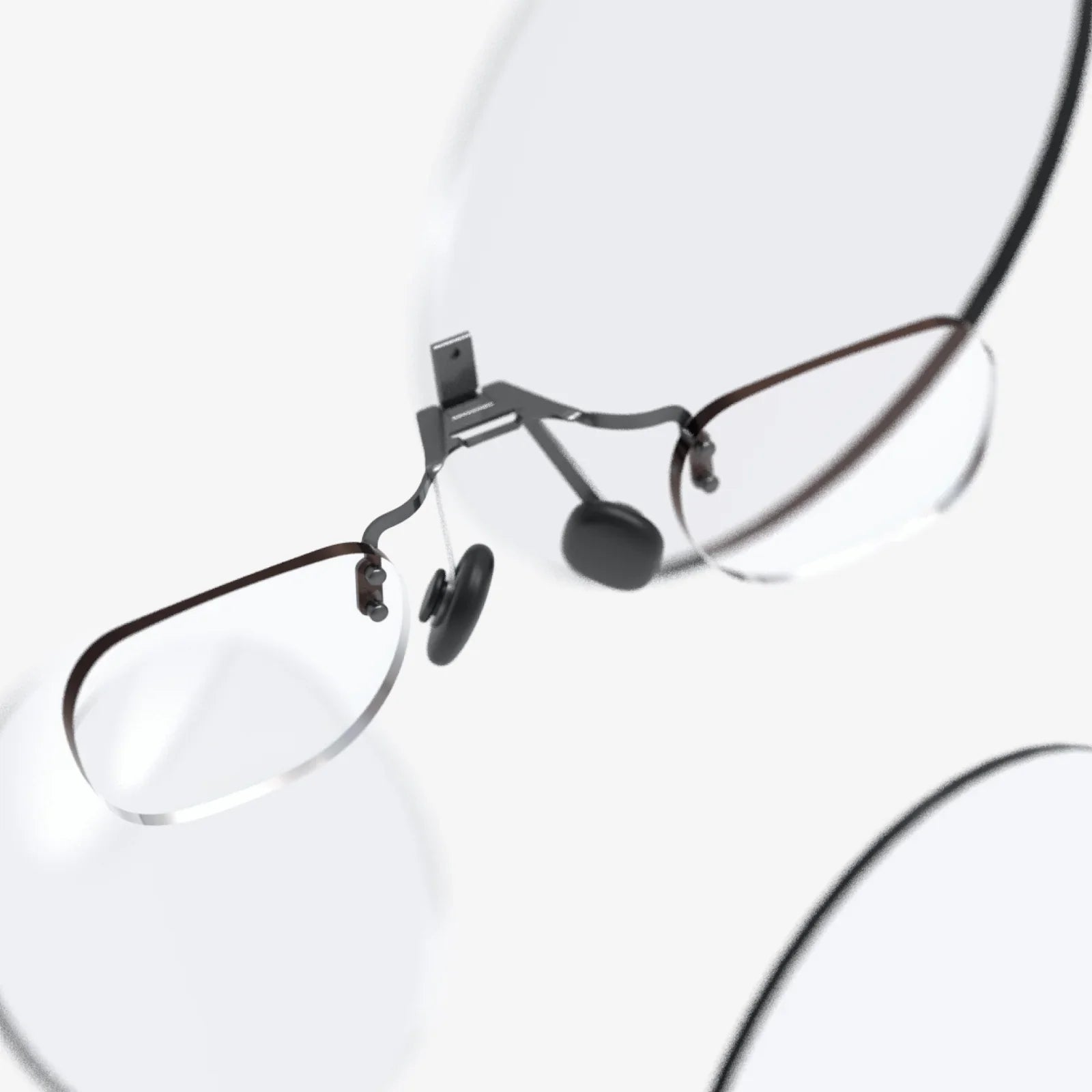
Perhaps the most futuristic category of wearables, smart glasses and Augmented Reality (AR) glasses aim to overlay digital information onto the user's field of view. This category is diverse, ranging from simple to complex.
Smart Sunglasses
These devices focus on a single, enhanced functionality. The most common type features:
- Integrated Audio: Built-in speakers and microphones allow for music playback and phone calls, but the lenses remain traditional, offering no visual data overlay. They provide a discreet audio experience while maintaining a classic sunglasses aesthetic.
Augmented Reality (AR) Glasses
This is the cutting edge. AR glasses use transparent displays or projectors to superimpose images, text, and data onto the real world. Their potential applications are vast:
- Navigation: Directional arrows and street names can be projected onto the road ahead.
- Information Display: Notifications, weather updates, or meeting reminders can hover in your periphery.
- Professional Use: Technicians can see schematics overlaid on the machinery they are repairing; surgeons can see patient vitals without looking away from the operating table; warehouse workers can see picking and packing instructions directly in their line of sight.
- Gaming and Social Interaction: Digital objects and characters can be placed in the physical environment for interactive experiences.
While consumer-ready AR glasses are still in earlier stages of adoption, they represent the next major leap in human-computer interaction, promising to make technology an invisible yet ever-present layer on top of our reality.
Smart Clothing and Biometric Sensors: The Invisible Tech
This category represents the ultimate goal of wearables: technology that disappears into the items we already use every day.
Smart Fabrics and Clothing
By weaving conductive threads and miniature sensors directly into fabric, smart clothing can collect biometric data with unparalleled accuracy and comfort. Examples include:
- Shirts and Bras: These can monitor respiratory rate, heart rhythm, and movement throughout the day, providing a more complete picture of athletic performance or patient recovery than a wrist-based device, which can be prone to motion artifacts.
- Socks: Smart socks can analyze a runner's gait, foot strike, and balance, providing data to help prevent injuries.
- Posture Sensors: Small, stick-on devices or modules integrated into shirts can vibrate to alert the wearer when they are slouching, helping to build better habits and reduce back pain.
Specialized Medical and Fitness Sensors
Beyond clothing, there are devices designed for specific, often clinical-grade, monitoring:
- Continuous Glucose Monitors (CGMs): Worn on the arm or abdomen, these small sensors allow diabetics to track their glucose levels in real-time without constant finger-prick blood tests, revolutionizing disease management.
- ECG Monitors: While some smartwatches include this, dedicated chest-strap monitors are considered the gold standard for athletes seeking precise heart rate variability (HRV) and cardiac data during intense training.
- Smart Rings: Packing sensors into a tiny ring form factor, these devices focus on sleep tracking, recovery metrics, and activity, offering an even less obtrusive alternative to a wristwatch.
This category demonstrates a shift from general wellness to targeted, clinical-grade health monitoring, empowering individuals with deep, actionable insights into their own bodies.
Choosing the Right Wearable for You
With this vast array of options, selecting the right device depends entirely on your individual needs, lifestyle, and goals. Key considerations include:
- Primary Purpose: Are you focused on fitness, health monitoring, productivity, or simply convenience?
- Battery Life: How often are you willing to charge your device? Fitness trackers lead here, while full-featured smartwatches may need daily charging.
- Design and Comfort: The device must be something you're willing to wear consistently to be effective. Consider size, weight, and aesthetics.
- Ecosystem Compatibility: Ensure the device works seamlessly with your smartphone's operating system.
- Data Privacy: Understand what data is being collected, how it is used, and who it is shared with. This is especially critical for health information.
The evolution of wearable technology is a journey toward seamless integration, where the line between user and tool continues to blur. From the humble wristband counting steps to the sophisticated glasses mapping digital dreams onto our reality, these different kinds of wearable devices are no longer just accessories; they are active partners in managing our health, enhancing our capabilities, and connecting us to the digital pulse of the world. The next time you glance at your wrist, pop in an earbud, or even get dressed, remember—the future is not something we enter; it's something we wear.
Share:
AR Collaboration: The Next Frontier in How We Work and Create Together
Future Technology Wearable Devices: The Invisible Revolution Reshaping Human Existence