


- by wangfred
Different Kinds of Wearable Technology Shaping Our Future Selves
- by wangfred
Imagine a world where your clothing monitors your vitality, your glasses overlay digital information onto the physical realm, and a device on your wrist not only tells time but could one day save your life. This is not a glimpse into a distant sci-fi future; it is the reality being built today by the rapid and diverse evolution of wearable technology. This ecosystem of devices is moving beyond mere convenience, weaving itself into the very fabric of our daily existence, promising to redefine human potential, health, and interaction.
The most recognizable entry point into the world of wearables remains the wrist. What began as simple pedometers has exploded into a sophisticated category of devices that serve as our personal health hubs and digital companions.
Fitness Trackers are the dedicated specialists. Their primary focus is health and activity metrics. They are engineered to be lightweight, durable, and often boast exceptional battery life. Their core functionality revolves around tracking steps taken, distance traveled, calories burned, and sleep patterns. Using a combination of accelerometers and optical heart rate sensors, they provide a foundational overview of one's daily activity levels, motivating users to move more and sit less. Many now include features like guided breathing exercises, stress tracking through heart rate variability (HRV), and blood oxygen saturation (SpO2) monitoring, offering a more holistic view of well-being.
Smartwatches, on the other hand, are the generalists. While they incorporate all the fitness tracking capabilities of their dedicated counterparts, they are full-fledged mini-computers for your wrist. They manage smartphone notifications, allow for calls and messages, stream music, and host a vast array of downloadable applications. Their smarter capabilities include contactless payments, GPS navigation, and voice assistant integration. For health, they have pushed further, introducing advanced metrics like electrocardiogram (ECG) readings to detect atrial fibrillation, blood glucose trend monitoring, and even fall detection with automatic emergency SOS calling. They aim to be the single, central device that connects users to both their personal health data and their digital world.
Moving up from the wrist, wearable technology has found a powerful home in and around our ears, transforming how we listen to the world and interact with it.
Smart Earbuds and Headphones have evolved far beyond simple wireless audio playback. They are now intelligent auditory interfaces. Active Noise Cancellation (ANC) allows users to create a personalized soundscape, blocking out unwanted environmental noise. Transparency modes do the opposite, piping in outside sounds so users can stay aware of their surroundings. The latest models feature advanced biometric sensors, turning earbuds into fitness trackers that can measure heart rate and even detect core body temperature during a workout. Perhaps most futuristic is the integration of artificial intelligence for real-time audio translation, making language barriers a thing of the past, and features like adaptive sound that automatically adjusts volume and EQ based on your environment.
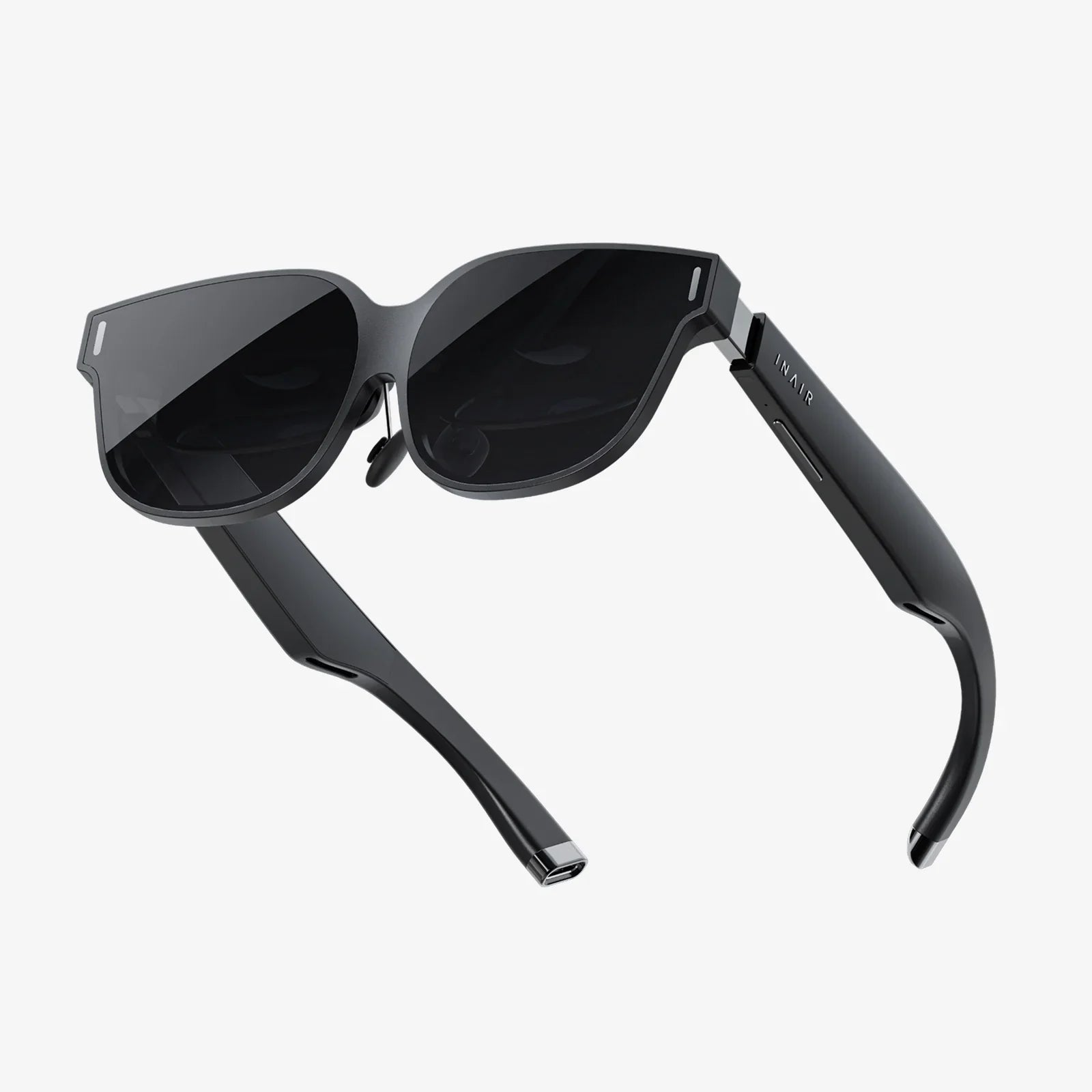
Augmented Reality (AR) and Virtual Reality (VR) Headsets represent the most immersive category of wearables. VR headsets fully occlude a user's vision, transporting them into completely digital, immersive environments primarily used for gaming, simulation training, and virtual tourism. AR glasses and headsets are more complex and, many argue, more transformative. They are designed to be see-through, overlaying digital information—text, graphics, animations—onto the user's real-world view. This technology, known as spatial computing, has profound applications: a mechanic seeing repair instructions overlaid on an engine, a surgeon visualizing a patient's anatomy during a procedure, or a tourist seeing historical facts pop up as they look at a monument. While consumer adoption is still growing, the potential for AR to become the next major computing platform is immense.
The most seamless integration of technology is when the technology itself becomes the fabric of our lives—literally. Smart clothing, also known as e-textiles, involves embedding sensors and conductive threads directly into garments.
This category moves monitoring from something you wear to something you are. Athletic shirts can measure heart rate and breathing efficiency across the entire torso, providing more accurate data than a wrist-based sensor. Running shoes can analyze gait and form to prevent injury. Yoga pants can guide your positioning through haptic feedback. Beyond fitness, the applications are vast. Socks for diabetics can monitor for pressure points to prevent ulcers. pajamas can track an infant's breathing and sleep quality. For professionals, uniforms for firefighters can monitor vital signs and environmental toxins, sending alerts if a responder is in danger. The goal is to make health and environmental monitoring continuous, unobtrusive, and incredibly accurate.
Bridging the gap between technology and personal expression is the emerging field of smart jewelry and accessories. These devices prioritize aesthetics and design without sacrificing functionality.
This includes smart rings, which are becoming popular for their minimalist design and powerful sleep-tracking capabilities due to their ability to detect detailed movement throughout the night. Smart necklaces and bracelets can deliver discreet notifications through subtle light patterns or gentle vibrations, serving as a more elegant alternative to a smartwatch buzz. Some are designed as fashion-first pieces that contain a small, removable tracking module. The focus here is on personalization and subtlety, offering a way to stay connected and monitored without wearing an overtly technological device, making wearables appealing to a broader, more style-conscious audience.
The most intimate and advanced category of wearables are those that are implanted inside the body. While often developed for critical medical applications, they represent the ultimate direction of personalized, continuous health monitoring.
Continuous Glucose Monitors (CGMs) are a revolutionary example for diabetics. A small sensor inserted under the skin provides real-time blood sugar readings to a smartphone, eliminating the need for painful finger-prick tests and dramatically improving disease management. Implantable Cardiac Monitors (ICMs) are another, acting as long-term ECG monitors for patients with unexplained heart symptoms, detecting arrhythmias that a short-term hospital test might miss. Looking forward, research is ongoing into smart implants that can release medication on demand, nano-sensors that patrol the bloodstream for early signs of disease, and even brain-computer interfaces that could restore movement to the paralyzed or allow for direct neural control of devices. These technologies blur the line between wearable and integral part of the human body.
The proliferation of different kinds of wearable technology is not without its significant challenges. As these devices collect increasingly intimate and continuous data, concerns about data privacy and security skyrocket. Who owns your biological data? How is it being used, stored, and potentially sold? The industry is grappling with establishing robust ethical frameworks and security protocols.
Battery life and power remain a physical constraint. As devices get smaller and more powerful, the demand for energy grows. Innovations in low-power computing, wireless charging, and even energy harvesting—using body heat, movement, or light to generate power—are critical for the next generation of wearables.
Finally, there is the challenge of interoperability and data synthesis. A user might wear a smartwatch, smart ring, and use smart clothing. For a truly holistic health picture, this data needs to be seamlessly integrated and interpreted, not siloed within different applications. The future lies in creating a unified platform that can make sense of this flood of personal data and provide actionable, meaningful insights.
The journey of wearable technology is a transition from the obvious to the invisible, from the bulky to the woven, from the external to the internal. It’s a shift from merely counting our steps to understanding the very rhythm of our lives. This is not just about gadgets; it's about a fundamental augmentation of human capability, a new layer of intelligence between us and the world. The next time you glance at your wrist or put in an earbud, remember—you are not just wearing a device; you are stepping into a new era of human experience, one that is more connected, healthier, and infinitely more informed than ever before.