


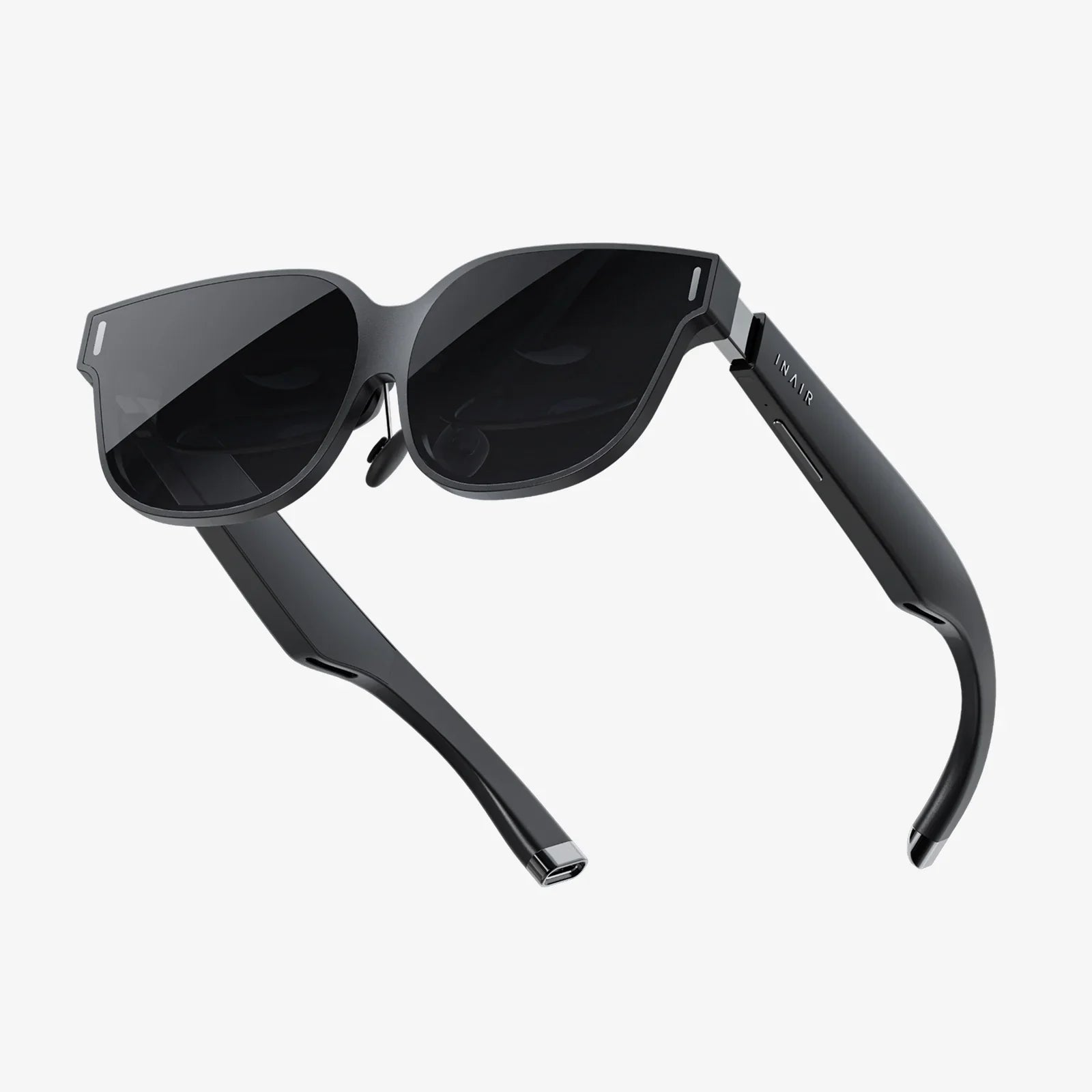
Imagine stepping inside the human body to witness the dance of chromosomes, practicing a complex surgical procedure on a digital patient, or confronting a fear in a safe, controlled environment that feels astonishingly real. This is the promise of virtual reality today—a technology that has spectacularly burst out of its gaming and entertainment cocoon to redefine possibility across a breathtaking spectrum of human endeavor. No longer a futuristic fantasy, VR is a present-day tool solving real-world problems, offering experiences that were once confined to the pages of science fiction, and inviting us all to click and explore the myriad ways it is reshaping our world.
The Digital Operating Theater: Revolutionizing Medicine and Therapy
The healthcare industry has emerged as one of the most profound and impactful arenas for virtual reality application. Here, the line between digital simulation and physical reality is leveraged to save lives, alleviate suffering, and train the next generation of medical professionals.
Surgical Training and Planning
Surgeons are using VR to step inside detailed, three-dimensional reconstructions of a patient's anatomy long before making a single incision. By importing MRI and CT scan data, they can create a patient-specific virtual model, allowing them to navigate complex vasculature, plan the optimal surgical approach, and even rehearse the procedure multiple times. This drastically reduces unforeseen complications in the operating room. For trainees, VR offers an unparalleled, risk-free environment to practice suturing, drilling, and other delicate techniques on virtual tissue that responds realistically, building muscle memory and confidence without ever endangering a patient.
Pain Management and Distraction Therapy
VR has proven to be a powerful non-pharmacological tool for pain management. For patients suffering from severe burn wounds, changing bandages is an excruciating process. By immersing them in a calming, interactive snowy landscape called "SnowWorld," where they can throw snowballs at penguins, studies have shown a significant reduction in reported pain levels. The brain's attention is a limited resource; by fully engaging it in an immersive virtual experience, VR effectively blocks pathways that process pain signals. This technique is also being used for patients undergoing chemotherapy, dental procedures, and physical therapy.
Exposure Therapy for Mental Health
Psychologists and therapists are harnessing VR for exposure therapy, a treatment for phobias, anxiety, and PTSD. A patient with a fear of heights can gradually experience standing on the edge of a virtual skyscraper, a soldier coping with PTSD can safely revisit and process traumatic memories in a controlled simulation, and someone with social anxiety can practice public speaking to a virtual audience. The therapist can control every aspect of the environment—the height of the building, the size of the crowd, the weather—tailoring the exposure in real-time to the patient's tolerance level, all within the absolute safety of the therapy room.
Motor Skills and Cognitive Rehabilitation
For patients recovering from a stroke, brain injury, or neurological disorder, VR offers engaging and adaptable rehabilitation exercises. Traditional physical therapy can be repetitive and monotonous. VR games can turn arm movements into a sword-fighting adventure or leg exercises into a soccer game, increasing patient motivation and adherence to therapy regimens. These virtual tasks can be precisely calibrated to a patient's abilities and progressed as they improve, providing valuable data to clinicians on range of motion, speed, and accuracy.
The Immersive Classroom: Transforming Education and Training
Education is being transformed from a passive, two-dimensional experience into an active, three-dimensional exploration. VR's ability to foster empathy and create "hands-on" learning without leaving the classroom is its greatest educational asset.
Historical and Cultural Exploration
Instead of simply reading about ancient Rome, students can don a headset and take a guided walk through a digitally reconstructed Forum, listening to the sounds of the marketplace and gazing up at the architecture. They can stand on the deck of a slave ship during the Middle Passage, sit at the back of the bus with Rosa Parks, or explore the International Space Station. These experiences create a powerful emotional connection to historical events and distant cultures, moving learning from an academic exercise to an empathetic journey.
Complex Conceptual Understanding
Abstract concepts in science and mathematics become tangible in VR. Biology students can shrink down to the cellular level and watch DNA replication unfold around them. Astronomy students can manipulate the solar system, watching planetary orbits in real-time. Chemistry students can construct and deconstruct complex molecules from the inside out. This spatial understanding is difficult to achieve with textbooks or flat screens, making VR an invaluable tool for STEM education.
Vocational and Corporate Training
From Walmart training employees to manage a busy holiday sale floor to aviation schools teaching pilots how to handle engine failure, VR is a cost-effective and scalable training solution. It allows trainees to make mistakes in high-stakes scenarios without real-world consequences. Mechanics can practice on virtual engines, welders can perfect their technique, and public speakers can hone their delivery to a virtual crowd, receiving instant feedback and analytics on their performance.
Designing Tomorrow: Architecture, Engineering, and Real Estate
In the design and construction industries, VR is moving beyond blueprints and 3D models on a screen, allowing clients and creators to truly inhabit a space before a single foundation is poured.
Architectural Walkthroughs
Architects and their clients can walk through a life-size virtual model of a new building. They can experience the flow of a room, test the sightlines from a window, and assess the aesthetic impact of different materials and lighting choices in real-time. This collaborative process helps identify design flaws and preferences early in the process, saving enormous amounts of time and money on costly changes during construction.
Virtual Prototyping and Engineering
Automotive and industrial designers use VR to create and test virtual prototypes. Engineers can assemble a virtual engine to identify potential assembly line issues or ergonomic challenges for workers. They can run simulations to see how a design holds up under stress, heat, or other environmental factors, iterating on the design digitally long before manufacturing physical prototypes.
Virtual Property Tours
The real estate market has been revolutionized by the ability to offer immersive virtual tours. Potential buyers, whether they are across town or across the globe, can walk through every room of a property at their own pace, getting a genuine feel for the space that static photos or pre-recorded videos cannot provide. This is also being used for staging, allowing buyers to visualize different furniture layouts and decor options within the empty virtual space.
The Future of Social Connection and Remote Collaboration
Often mischaracterized as an isolating technology, VR is poised to become one of the most powerful tools for human connection, especially as remote work and global collaboration become the norm.
Virtual Meetings and Workspaces
Beyond video conferencing, VR meeting platforms allow participants to feel as if they are sharing a physical room. They can gather around a virtual whiteboard to brainstorm ideas, manipulate 3D models together, and benefit from the non-verbal cues of avatars that track eye contact and gestures. This sense of "co-presence" fosters a much deeper level of collaboration and team cohesion than a grid of faces on a screen.
Social Platforms and Shared Experiences
Dedicated social VR platforms allow users to meet, play games, watch movies, and attend live concerts and events with friends and strangers from around the world. They can create personalized avatars and interact in shared virtual spaces, from comedy clubs to art galleries. For individuals with mobility issues or those living in remote areas, this offers a profound sense of community and social belonging that can be difficult to achieve otherwise.
Pushing Boundaries in Retail, Fitness, and Art
The applications continue to multiply, touching nearly every consumer-facing industry with innovative and engaging experiences.
Virtual Try-Ons and Showrooms
The fashion and retail sectors are adopting VR for virtual fitting rooms. Customers can create a detailed digital avatar of their body and try on clothes, glasses, or makeup to see how items look and fit from every angle before purchasing. Furniture retailers allow customers to place virtual couches, tables, and decor into a 3D scan of their actual living room to ensure scale and style match perfectly.
Immersive Fitness
Fitness VR apps have turned workouts into immersive adventures. Instead of running on a treadmill, users can box with virtual opponents, slice through rhythm-based targets in a neon world, or row through serene fjords. This gamification of exercise makes it more enjoyable and distracting, helping users work out harder and longer while having fun.
New Frontiers in Artistic Expression
VR is an entirely new medium for artists. They can use motion-tracked controllers to literally paint and sculpt in three-dimensional space, creating artworks that you can walk around and through. This has given rise to a new genre of immersive art installations and experiences that are redefining what art can be, allowing the audience to become part of the artwork itself.
The journey of virtual reality is just beginning. From the profound—healing minds and bodies, fostering global empathy, and designing safer cities—to the practical—trying on a pair of jeans or touring a home—its different uses are a testament to human ingenuity. As the technology becomes more affordable, comfortable, and sophisticated, its integration into our daily lives will only deepen, quietly and fundamentally altering the fabric of how we experience reality itself. The virtual door is now open, and the experiences waiting on the other side are limited only by our imagination.
Share:
Computer Requirements for Virtual Reality: A Deep Dive into the Hardware Powering the Metaverse
What Is Immersion in Virtual Reality - The Ultimate Guide to Presence and Perception