


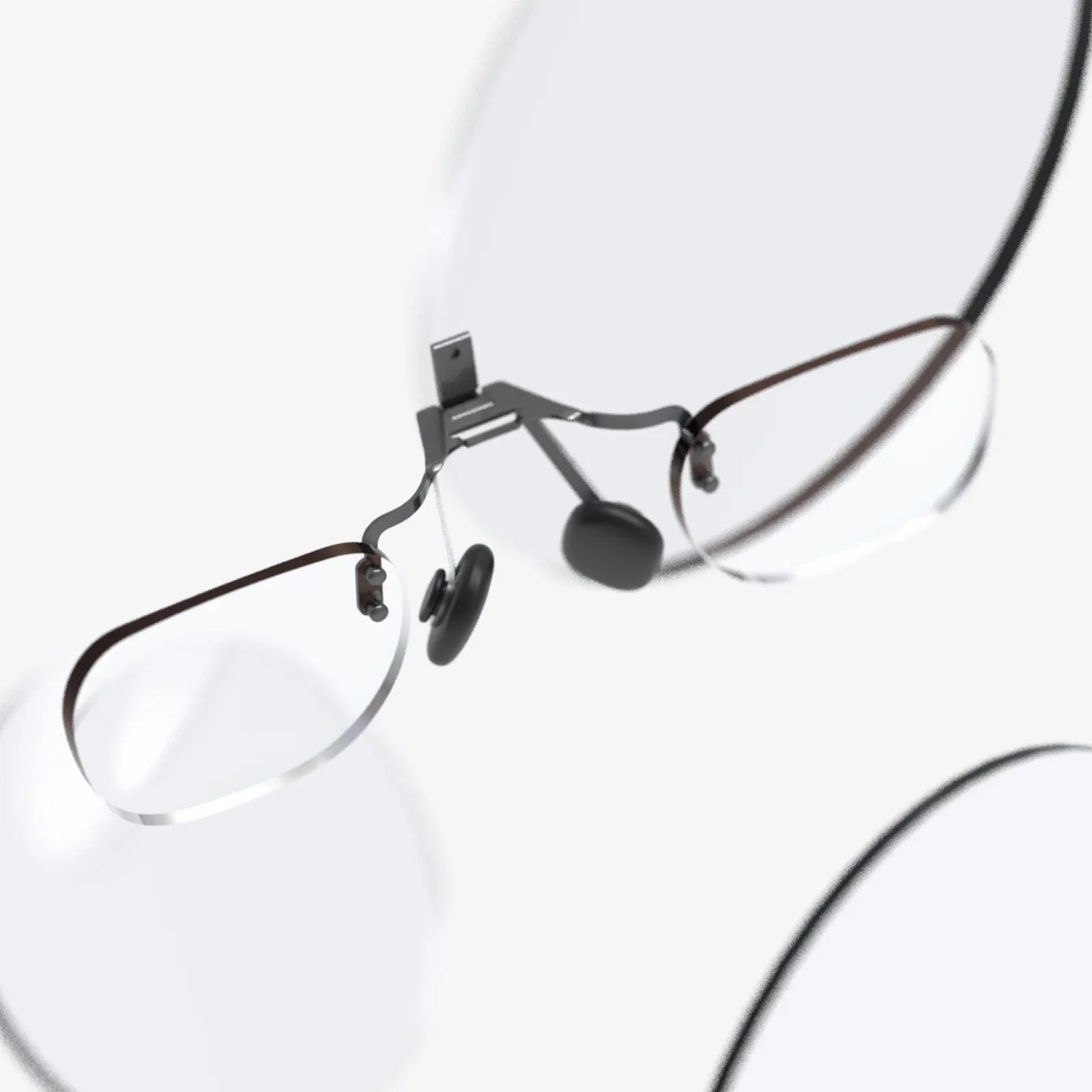
Imagine a world where your clothing diagnoses illness before you feel a symptom, where your glasses translate foreign street signs in real-time, and where a factory worker’s smart suit prevents injury before it happens. This isn't the distant future; it's the unfolding present, powered by the explosive and diverse evolution of wearable technology. For too long, the term "wearable" has been synonymous with the fitness tracker on your wrist, counting steps and monitoring sleep. But to confine these powerful devices to the gym or the morning jog is to miss a revolution. The true potential of wearables lies in their profound and different uses, seamlessly integrating into the very fabric of our professional, personal, and medical lives, transforming how we work, heal, connect, and experience the world around us.
The Clinical Frontier: Wearables as Lifesaving Guardians
The most impactful shift in wearable technology is occurring in the medical field, where devices are transitioning from general wellness to clinically validated, life-saving tools. This move from informal data collection to precise, actionable medical insight represents a paradigm shift in proactive healthcare.
Remote Patient Monitoring and Chronic Disease Management
For patients with chronic conditions like cardiac arrhythmias, hypertension, or diabetes, continuous monitoring is crucial. Wearables are making this possible outside the cold, clinical environment of a hospital. Advanced biosensors can now track:
- Electrocardiogram (ECG) Readings: Smartwatches and dedicated patches can perform on-demand or continuous single-lead ECGs, detecting atrial fibrillation and other irregularities, and alerting the user and their physician to potential issues.
- Blood Glucose Levels: Continuous Glucose Monitors (CGMs), often worn on the arm or abdomen, provide real-time readings of blood sugar levels for diabetics, eliminating the need for painful finger-prick tests and allowing for better management of glucose spikes and drops.
- Blood Oxygen Saturation (SpO2): Sensors that measure the oxygen level in your blood are becoming standard, providing critical data for managing conditions like sleep apnea, COPD, and for general wellness assessment.
- Blood Pressure: Innovative wearable designs, from wrist-based monitors to discreet rings, are now capable of providing clinically accurate blood pressure readings throughout the day.
This constant stream of data empowers patients to take control of their health and provides doctors with a rich, longitudinal dataset far more revealing than a snapshot taken during an annual check-up. It enables early intervention, reduces hospital readmissions, and personalizes treatment plans like never before.
Mental Health and Neurological Support
The application of wearables is also expanding into the complex realm of mental and neurological health. Devices are being developed to:
- Track physiological markers of stress and anxiety, such as heart rate variability (HRV), skin temperature, and electrodermal activity (galvanic skin response), prompting users to engage in breathing exercises or mindfulness.
- Monitor for early signs of neurological events. Researchers are exploring how wearables can detect the subtle tremors associated with Parkinson's disease progression or predict the onset of an epileptic seizure, giving the user valuable time to get to a safe place.
- Administer therapeutic interventions. For example, specialized wearables can use gentle vibrations (haptic feedback) to help calm individuals with anxiety disorders or autism spectrum disorder during moments of sensory overload.
This biofeedback loop allows individuals to understand the connection between their physical state and mental well-being, fostering a more holistic approach to health.
The Industrial Evolution: Enhancing Safety and Efficiency on the Job
Beyond the consumer and medical spheres, wearable technology is revolutionizing dangerous and demanding industries, creating smarter and safer work environments.
Worker Safety and Injury Prevention
In sectors like construction, manufacturing, logistics, and mining, wearables are acting as digital guardians for employees. Smart safety solutions include:
- Exoskeletons: These powered or passive suits worn by factory and warehouse workers reduce strain and fatigue by supporting the back, shoulders, and arms during repetitive lifting tasks, dramatically lowering the risk of musculoskeletal injuries.
- Smart Helmets and Glasses: Equipped with sensors, augmented reality (AR) displays, and cameras, these devices can overlay vital information onto a worker's field of view—such as schematics, safety warnings, or instructions—keeping their hands free and their focus on the task. They can also detect if a worker has taken a fall or lost consciousness and automatically alert supervisors.
- Biometric Monitors: Wearable patches or wristbands can track a worker's vital signs, detecting signs of heat stress, dehydration, or excessive fatigue. This data can trigger alerts for the worker to take a break, preventing accidents before they occur.
- Proximity Sensors: Devices worn on a hard hat or vest can alert heavy machinery operators and ground crew to each other's presence, preventing collisions and accidents on busy worksites.
Training and Operational Efficiency
AR glasses are transforming how complex tasks are learned and performed. A novice technician can receive real-time, hands-free guidance from a remote expert who can see their point of view and annotate the real world with arrows and notes. This reduces training time, minimizes errors, and allows a single expert to support field teams across the globe.
The Social and Experiential Layer: Augmenting Human Connection
Wearables are also finding unique uses in how we socialize, consume media, and express ourselves, adding a new digital layer to our physical interactions.
Immersive Entertainment and Gaming
Virtual Reality (VR) headsets are the most obvious example, transporting users into fully digital worlds for gaming, social gatherings, or virtual tourism. But the evolution continues with haptic feedback vests that let you feel the impact of a virtual punch or the rumble of a spaceship engine, and smart rings that control the digital environment around you, creating a truly embodied entertainment experience.
Fashion and Personal Expression
"Wearables" are, at their core, something we wear. The fusion of technology and haute couture has given rise to smart fabrics and interactive jewelry. Dresses with fiber-optic threads that change color and pattern based on the wearer's heartbeat or social media feed, and rings that discreetly notify you of important calls or messages, are turning technology into a personalized fashion statement.
Breaking Communication Barriers
Perhaps one of the most poignant applications is in assistive technology. Wearables are being designed to empower individuals with disabilities. Smart gloves can translate sign language into spoken word or text in real-time, enabling seamless conversation. AR applications can describe the world for the visually impaired, reading text aloud or identifying objects and people, granting a new level of independence.
The Invisible Infrastructure: Smart Cities and the Environment
On a macro scale, the data aggregated from thousands of wearable devices can paint a powerful picture of public health and urban life, informing smarter city planning and environmental policy.
- Public Health Monitoring: Anonymized and aggregated data on activity levels, sleep patterns, and the spread of fevers (detected by temperature sensors) can help public health officials track the wellness of a population, identify potential flu outbreaks, and measure the impact of public health initiatives.
- Environmental Sensing: Wearables with miniaturized environmental sensors could one day measure air quality, pollen count, or UV exposure in real-time, providing hyper-localized data that empowers individuals to protect themselves and helps cities identify pollution hotspots.
Navigating the New Frontier: Challenges and Considerations
This brave new world of pervasive wearables is not without its significant challenges. The very nature of these devices—intimate, always-on, and data-rich—raises critical questions that society must address.
- Data Privacy and Security: Who owns the incredibly intimate biological and location data collected by your wearable? How is it being stored, used, and potentially sold? Robust cybersecurity and transparent data governance policies are non-negotiable to prevent misuse.
- Regulatory Hurdles: As wearables make more medical claims, they must navigate complex regulatory pathways to ensure they are safe, accurate, and effective. The line between a wellness product and a medical device is blurring, requiring new frameworks.
- The Digital Divide: There is a risk that the benefits of advanced health and safety wearables will only be accessible to the wealthy, exacerbating existing health and social inequalities.
- Battery Life and Sustainability: The constant demand for power and the eventual disposal of millions of electronic devices present a significant environmental challenge that the industry must solve through innovation.
Despite these hurdles, the trajectory is clear. The conversation is no longer about how many steps you took today, but about how this technology can fundamentally improve the human condition. The true power of wearable technology lies not in the silicon and sensors, but in the data-driven insights they provide and the actions they empower us to take. We are moving from an era of measurement to an era of meaning, where what we wear doesn't just track our lives—it actively enhances them.
From the factory floor to the doctor's office, from the runways of Paris to the streets of a bustling metropolis, wearable technology is quietly weaving itself into the tapestry of human existence, promising a future where our technology doesn't just live in our pockets—it helps us live better, safer, and more connected lives. The next time you see someone glance at their wrist, remember, they might not be checking the time, but receiving a silent, lifesaving alert or a piece of information that transforms their immediate reality. The revolution is already on your wrist, in your ears, and being woven into the clothes on your back; the only question left is how you will use it.
Share:
What Are the Best Digital Products to Sell in 2025: A Future-Proof Guide
What Are the Best Digital Products to Sell in 2025: A Future-Proof Guide