


- by wangfred
Digital Content Consumption Trends 2025: The Hyper-Personalized, Multi-Sensory Future
- by wangfred
Imagine a world where your digital feed doesn't just recommend a show—it crafts a unique narrative arc tailored to your mood, your day, and your deepest curiosities. A world where content doesn't just play on a screen but envelops you in a symphony of senses, blurring the line between the digital and the physical. This isn't a distant sci-fi fantasy; it's the imminent reality of digital content consumption trends 2025, a landscape being forged today by rapid advancements in artificial intelligence, spatial computing, and a fundamental rewiring of user expectations. The era of passive scrolling is giving way to an age of immersive, intelligent, and intensely personal experiences.
By 2025, the blunt instruments of past recommendation engines will seem archaic. We are moving beyond simplistic algorithms based on viewing history or genre preferences. The next wave is contextual and predictive hyper-personalization, powered by sophisticated AI that synthesizes a vast array of data points.
This means content will adapt in real-time. Your educational module might present information visually if it detects your attention waning, or switch to an auditory lecture if it senses you're multitasking. A fitness app won't just offer a generic workout; it will dynamically adjust the routine, music, and instructor's tone based on your real-time biometric data and energy levels. This deep personalization extends to narrative storytelling, where branching plotlines in interactive films or series could shift based on your emotional responses, measured through subtle biometric feedback or even advanced sentiment analysis of your vocal cues when you talk about the content.
The implication is a digital ecosystem that feels less like a library and more like a personal concierge, one that anticipates needs you haven't even articulated yet. However, this trend also raises significant questions about data privacy, algorithmic bias, and the potential for these systems to create increasingly narrow "filter bubbles," where users are rarely exposed to challenging or serendipitous content outside their predicted preferences.
The hegemony of the two-dimensional rectangular screen is ending. Digital content consumption trends 2025 will be characterized by a proliferation of spatial and multi-sensory formats that engage more than just sight and sound.
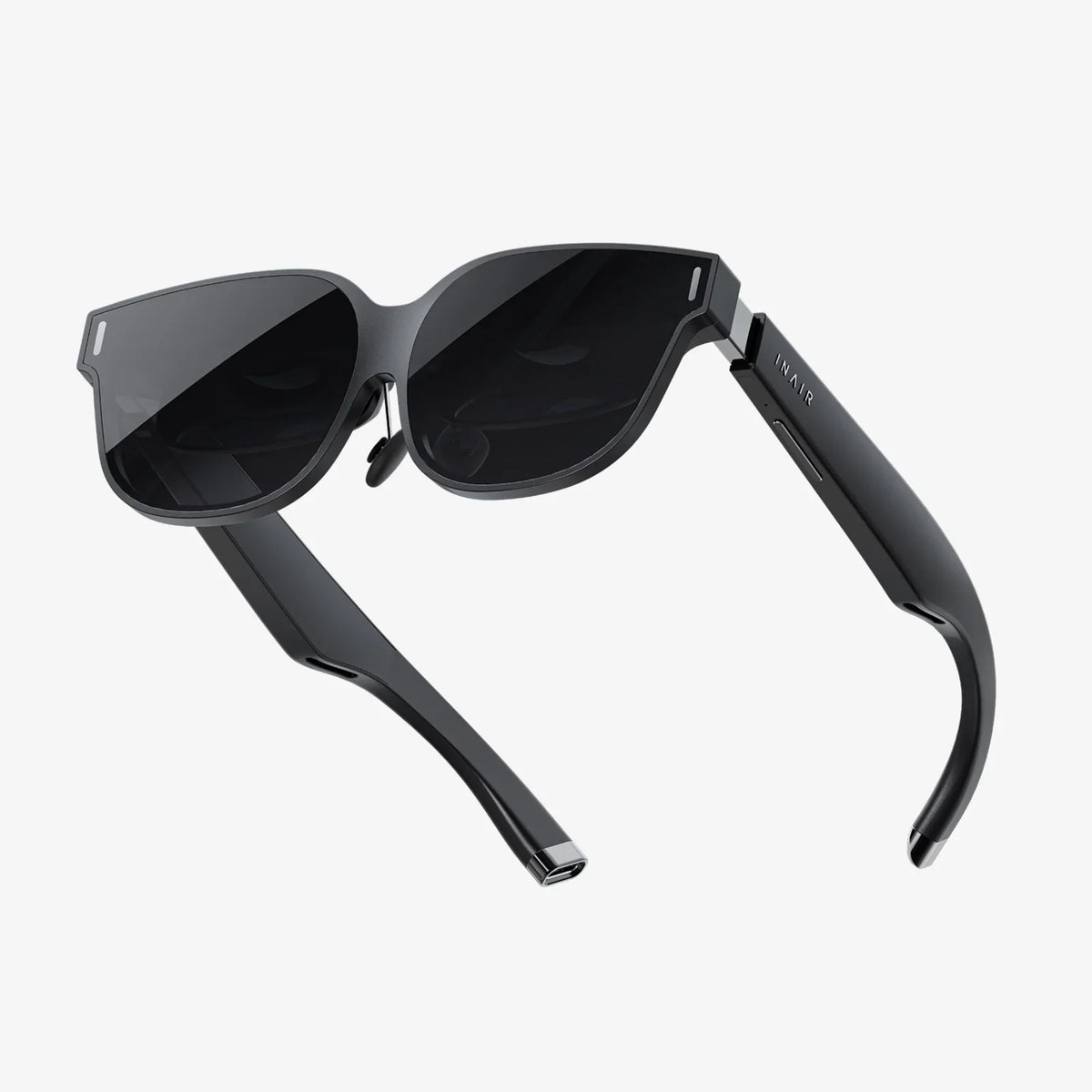
With the maturation of AR hardware, likely in the form of more socially acceptable glasses, content will be mapped onto our physical world. Historical documentaries will unfold on your coffee table, with 3D figures reenacting battles. Repair guides will overlay animated instructions directly onto the broken appliance you're trying to fix. This layer of contextual information, accessible through a glance or a voice command, will turn the entire world into an interactive interface.
While the initial hype around the metaverse may have cooled, its foundational principles are solidifying. The focus in 2025 will be less on a single, unified virtual world and more on interoperable spaces designed for specific purposes: virtual concerts where your avatar's position affects the audio mix, corporate training simulations that feel palpably real, or social hubs where spatial audio allows for natural, overlapping conversations. The key metric will shift from video resolution to a sense of "presence"—the genuine feeling of being somewhere else with other people.
Content will increasingly engage the sense of touch. Haptic suits and controllers will allow users to feel the recoil of a virtual weapon, the rumble of a virtual engine, or the texture of a digital fabric. Further out, we see experiments with olfactory and gustatory digital signals, though these will likely remain niche in 2025. The goal is full sensory immersion, making digital experiences more memorable and emotionally resonant.
The barrier to creating high-fidelity content is collapsing. AI-powered tools are enabling a new class of creators to produce professional-grade animation, compose original scores, generate realistic voiceovers, and write complex code without years of specialized training.
This democratization leads to an explosion of niche content. creators will be able to cater to highly specific audiences with personalized content at scale. We will see the rise of the "AI-assisted creator," where the human provides the creative vision, emotional intelligence, and editorial direction, while AI handles the labor-intensive tasks of rendering, composing, and editing. This collaboration will define the new creative process, enabling a single individual to operate as a full-scale media production house.
Monetization models will also evolve beyond brand deals and platform ad shares. Token-gated communities, where users pay for access with digital assets, will allow creators to offer exclusive content, experiences, and direct engagement to their most dedicated fans, fostering deeper loyalty and more sustainable revenue streams.
A paradoxical trend is emerging: content is simultaneously fragmenting into more niches and unifying under aggregated platforms. Consumers are weary of subscription fatigue and the mental load of juggling dozens of apps. This creates a massive opportunity for aggregated content hubs.
These might not be universal bundles but intelligent aggregators that use a single interface and subscription to pull content from various sources based on your profile. Imagine a sports hub that seamlessly integrates live games from different leagues, behind-the-scenes documentaries, and interactive stats panels, all in one place. Or a film hub that doesn't care which studio produced a movie—it just serves it to you based on your request. AI will act as the unifier, stitching together a coherent experience from a fragmented source landscape.
As content becomes more immersive and personalized, the battle for our attention will intensify. A counter-trend is growing equally powerful: the demand for digital wellness and intentional consumption. Users in 2025 will be more aware of the mental health impacts of constant digital stimulation.
This will drive demand for features and entire platforms designed around mindfulness and focus. We will see the rise of "slow content"—long-form, deep-dive, and ad-free experiences that encourage sustained attention rather than fractured clicks. Platforms will increasingly incorporate built-in wellness tools: screen-time summaries that measure qualitative engagement rather than just minutes watched, focus modes that minimize distractions, and ambient interfaces that provide information gracefully without demanding full attention.
Consumers will increasingly align with brands and creators that respect their time and cognitive space, valuing quality of engagement over quantity. Ethical design, transparent data usage, and tools that empower user control will become significant competitive advantages.
The very definition of "content" is expanding. It's no longer just video, text, and audio.
These formats shift the user from a passive consumer to an active participant, co-creating the experience in real-time.
The digital landscape of 2025 is being built on a simple, powerful premise: that content should serve the individual, not the other way around. It will be an environment that is more intuitive, more immersive, and more intimately woven into the fabric of our daily lives. The screen will fade into the background, replaced by a world that is itself the interface. To navigate this future, consumers will need to cultivate digital literacy like never before, and creators and platforms must embrace a new ethic of responsibility. The power to shape reality is immense, and with it comes the imperative to build a future that is not only captivating but also human-centric and sustainable. The next chapter of the internet is being written not in code, but in experience, and everyone has a part to play.