


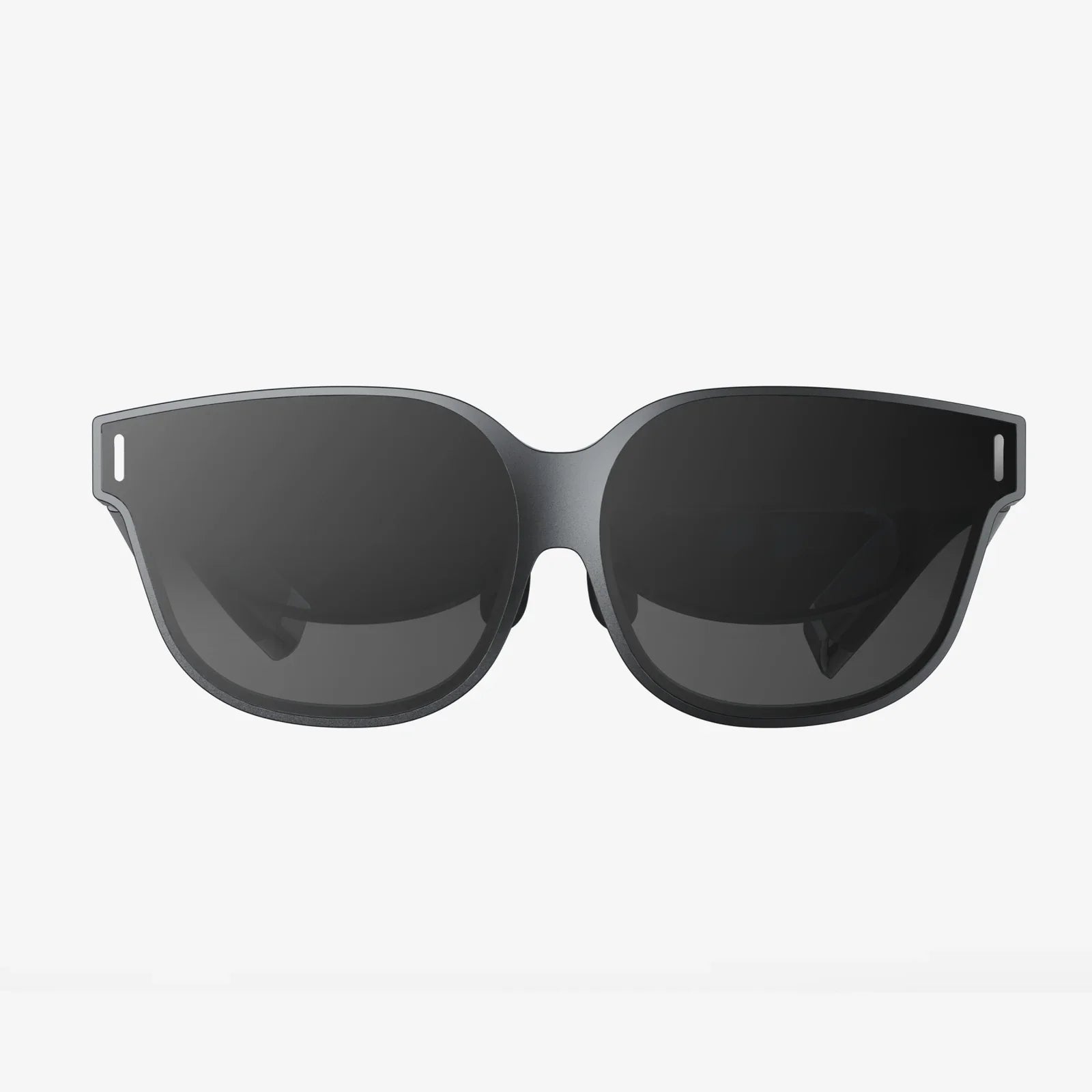
Imagine slipping on a pair of glasses and experiencing a level of visual clarity so profound it feels like seeing the world in high definition for the very first time. This isn't a glimpse into a distant, sci-fi future; it is the very real promise of digital eye glass lenses, a technological leap in optical science that is fundamentally reshaping how we correct and enhance our vision. If you spend your days juggling between smartphones, computer monitors, and tablets, this innovation might just be the most important development for your eye health and comfort you haven't heard of yet.
Beyond the Basics: What Exactly Are Digital Lenses?
To understand the revolution, one must first understand the standard. Traditional single-vision lenses are crafted using a process that creates a single, consistent prescription power across the entire surface of the lens. For decades, this was the gold standard. However, this method has a fundamental limitation: it assumes the eye is a perfect sphere and that the user looks straight ahead through the optical center of the lens for every task. In reality, our eyes are in constant motion, darting from side to side, up and down, rarely pausing perfectly still.
Digital eye glass lenses, also known as free-form or digitally-surfaced lenses, represent a paradigm shift. They are not defined by a specific material or coating but by a highly sophisticated, computer-driven manufacturing process. Here’s the core differentiator:
- Traditional Lenses: Are ground from a semi-finished “blank” using tools that carve the prescription into the back surface. This process can introduce minor imperfections and is limited in its complexity.
- Digital Lenses: Are custom-designed using complex wavefront algorithms that map thousands of points on the lens surface. A state-of-the-art digital surfacing machine then precisely cuts the prescription directly onto the lens with micron-level accuracy, often on both the front and back surfaces, creating a vastly more precise and complex optical product.
This digital free-form process allows opticians to create lenses that are truly personalized, accounting for a myriad of factors beyond a simple eyesight measurement.
The Anatomy of a Superior Lens: Key Technologies at Play
The term “digital lens” is an umbrella for a suite of advanced technologies working in concert. The benefits are achieved through several key features.
1. Personalized Optical Optimization
This is the heart of the digital advantage. Instead of applying a one-size-fits-all prescription formula, digital lenses can be optimized using unique parameters measured specifically for you. This includes:
- Pantoscopic Tilt: The angle at your glasses tilt forward on your face.
- Vertex Distance: The precise distance between the back of the lens and the front of your cornea.
- Wrap Angle: The curvature of your frame around your face.
By inputting these measurements into the lens design software, the optics are meticulously calculated to provide the sharpest possible vision in your specific frame, exactly as you wear it. It eliminates marginal errors that can cause subtle blur or distortion, especially in the periphery of your vision.
2. Aspheric and Atoric Design
Traditional lenses with high prescriptions often suffer from a “coke-bottle” effect—thick, heavy, and distorting the wearer’s eyes. They also have inherent optical aberrations, like spherical aberration, which causes glare and halos around lights at night. Digital lenses utilize aspheric and atoric designs. These complex curves flatten the lens profile, making them dramatically thinner, lighter, and more aesthetically pleasing. Crucially, they also correct for these aberrations across the entire lens, not just the center, providing cleaner, more consistent vision from any angle.
3. Enhanced Depth of Field
One of the most noticeable benefits reported by wearers is a “3D-like” or “HD” quality to their vision. This is largely due to an expanded depth of field. Digital lenses sharpen the focus over a wider range of distances. When you look at a person's face, for instance, not only are their features sharper, but the background might also appear more in focus, creating a richer, more immersive visual experience.
The Digital Lifestyle: Why Your Eyes Need This Technology
The modern world is visually demanding in a way that past generations never experienced. This has given rise to a widespread phenomenon known as Digital Eye Strain (DES) or Computer Vision Syndrome. Symptoms include:
- Eyestrain and tired eyes
- Headaches
- Blurred vision
- Dry and irritated eyes
- Neck and shoulder pain
These issues are primarily caused by prolonged focusing on high-energy visible (HEV) blue light-emitting digital screens and the intense, sustained focusing effort required for intermediate (computer) and near (phone) distances. Digital lenses are uniquely equipped to combat DES.
Precision for Intermediate Vision
Standard single-vision lenses are optimized for either distance or near, but not both. When you work on a computer, your eyes are focused at an intermediate zone—somewhere between distance and near. Standard lenses force your eyes to work harder to maintain focus at this uncorrected midpoint, leading to fatigue. Digital lenses can be specifically optimized for this critical intermediate zone, providing a wider, more relaxed field of view for computer work, thereby significantly reducing strain.
Seamless Integration with Blue Light Management
While blue light filtering is a separate technology (a coating applied to the lens), it integrates perfectly with the digital manufacturing process. The precision of a digital lens ensures that the blue light filter is applied to a perfectly crafted surface, maximizing its effectiveness without compromising the optical clarity that the digital process provides. This combination is a powerful tool for protecting your eyes from the potential disruptive effects of blue light on sleep cycles and visual comfort.
Who Stands to Benefit the Most?
While almost anyone with a prescription can enjoy the superior optics of a digital lens, certain groups will find the benefits particularly transformative.
- The Digitally Dependent: If your job or lifestyle involves more than two hours of screen time daily, the reduction in eye strain is a game-changer.
- First-Time Wearers: Starting with the most advanced, comfortable optics available can dramatically improve adaptation time and overall satisfaction with wearing glasses.
- Individuals with High Prescriptions: The ability to create thinner, lighter, and distortion-free lenses is a monumental benefit for those with strong myopia, hyperopia, or astigmatism.
- Drivers and Night-Time Users: The reduction in peripheral distortions and internal aberrations means dramatically reduced glare from oncoming headlights and streetlights, enhancing safety and comfort during night driving.
- Progressive Lens Wearers: Digital technology has revolutionized progressive lenses. They now offer wider, more usable channels for distance, intermediate, and near vision, making the transition between zones smoother and more intuitive than ever before.
The Consultation: Unlocking Your Custom Vision
Realizing the full potential of digital lenses requires a collaborative effort between you and your eye care professional. The old model of simply reading an eye chart is no longer sufficient. To craft your perfect lenses, a comprehensive consultation is essential. Be prepared for a more in-depth appointment that should include:
- A Detailed Lifestyle Assessment: How do you use your eyes all day? Be specific about your screen time, hobbies, driving habits, and any visual challenges you face.
- Precision Frame Fitting: Your professional will take meticulous measurements—pantoscopic tilt, vertex distance, wrap angle, and monocular pupillary distance (measuring each eye individually). This data is the blueprint for your lenses.
- Informed Discussion: This is a two-way conversation. Ask questions. Understand the options. A good professional will explain why a specific lens design is recommended for your individual needs.
Investing in Your Vision: Understanding the Value
It is true that digital eye glass lenses represent a higher investment than their traditional counterparts. This cost reflects the immense research and development, the sophisticated software, and the expensive, precise manufacturing equipment required to produce them. However, it is crucial to reframe this not as an expense, but as an investment in your long-term visual comfort, health, and quality of life.
Consider the value proposition: you are purchasing a medical device custom-engineered for your unique physiology and lifestyle, designed to provide the clearest, most comfortable vision possible while actively protecting your eyes from the strains of modern life. When viewed through this lens, the value becomes clear. This is not merely about seeing better; it is about seeing better and feeling better throughout your entire day.
The landscape of vision correction is evolving at a breathtaking pace, moving away from standardized solutions and towards hyper-personalized optical care. Digital eye glass lenses are at the forefront of this movement, offering a tangible and profound upgrade to one of our most vital senses. They are a testament to how technology, when applied with precision and care, can seamlessly integrate into our lives to solve modern problems. The question is no longer if your vision can be corrected, but how perfectly it can be enhanced to match the unique way you see the world.
Share:
Work Smart: The Ultimate Guide to Maximizing Productivity and Achieving More with Less Effort
Animated Interactions: The Secret Weapon for Captivating User Engagement