


- by wangfred
Digital Interaction Examples: From Clicks to Conversations and the Future of Engagement
- by wangfred
Imagine a world where your every click, swipe, and spoken word is met with an intelligent, almost anticipatory response—this is no longer the realm of science fiction but the very fabric of our digital existence. The evolution of digital interaction has transformed passive observers into active participants, creating dynamic dialogues between humans and machines that are reshaping commerce, education, and human connection itself. The journey from static web pages to immersive, responsive environments is a story of technological innovation driven by a fundamental desire for more meaningful and efficient engagement.
At its core, digital interaction is any exchange of information between a user and a digital system. This exchange is facilitated through a carefully designed User Interface (UI) and judged by the quality of the User Experience (UX). These foundational elements are the silent architects of our online journeys. Effective UI provides the buttons to push and the fields to fill, while superior UX ensures that the process of pushing and filling feels intuitive, satisfying, and even delightful. The goal is to reduce friction to near zero, making the technology itself recede into the background, allowing the user to focus entirely on their goal, whether it's purchasing a gift, learning a new skill, or connecting with a friend.
We engage with sophisticated digital interaction examples dozens, if not hundreds, of times each day, often without a second thought. These interactions have become so woven into the fabric of daily life that they are practically invisible.
The digital marketplace is a masterclass in guided interaction. Beyond the simple 'add to cart' button, modern platforms employ a myriad of techniques to engage users. Personalized recommendation engines analyze your browsing and purchase history to suggest items you're likely to want, creating a sense of a store that knows your taste. Virtual try-on features, powered by augmented reality, allow you to see how a pair of glasses or a shade of lipstick looks on your own face, bridging the gap between the physical and digital shopping experience. Live chat support connects you instantly with a human agent, while interactive size guides and 360-degree product views empower you with information, reducing uncertainty and building confidence in the purchase decision.
The era of passively watching a long, linear lecture video is fading. Digital interaction has revolutionized education through gamification and adaptive learning. Language learning apps, for instance, turn vocabulary acquisition into a game with points, streaks, and levels, providing immediate positive reinforcement. Interactive coding platforms allow students to write code and see the results instantly in a split-screen view, learning through doing and immediate feedback. Complex scientific concepts are brought to life through interactive 3D models that students can rotate, zoom into, and deconstruct, transforming abstract ideas into tangible, understandable objects.
Social media platforms are perhaps the most pervasive digital interaction examples of our time. They are built entirely around prompting and facilitating user engagement. The 'like' button, a seemingly simple invention, is a powerful mechanism for feedback and validation. Comment threads foster conversation and debate, while sharing and retweeting allow users to curate and broadcast content, actively participating in the flow of information. 'Stories' features with polls, quizzes, and question stickers invite audiences to interact directly with content, creating a two-way broadcast that feels more personal and engaging than a static post.
The frontier of digital interaction is moving beyond the two-dimensional screen into the three-dimensional space around us, creating even more profound and intuitive examples.
Interacting with technology through spoken language is one of the most significant leaps forward. Voice-activated assistants allow us to set timers, play music, control smart home devices, and get answers to questions using the most natural interface we possess: our voice. This hands-free, eyes-free interaction is not only convenient but also accessible, opening up digital tools to a wider range of users. More advanced conversational AI, like sophisticated chatbots, can now engage in multi-turn conversations, understand context, and handle complex customer service inquiries, providing 24/7 support that mimics human interaction.
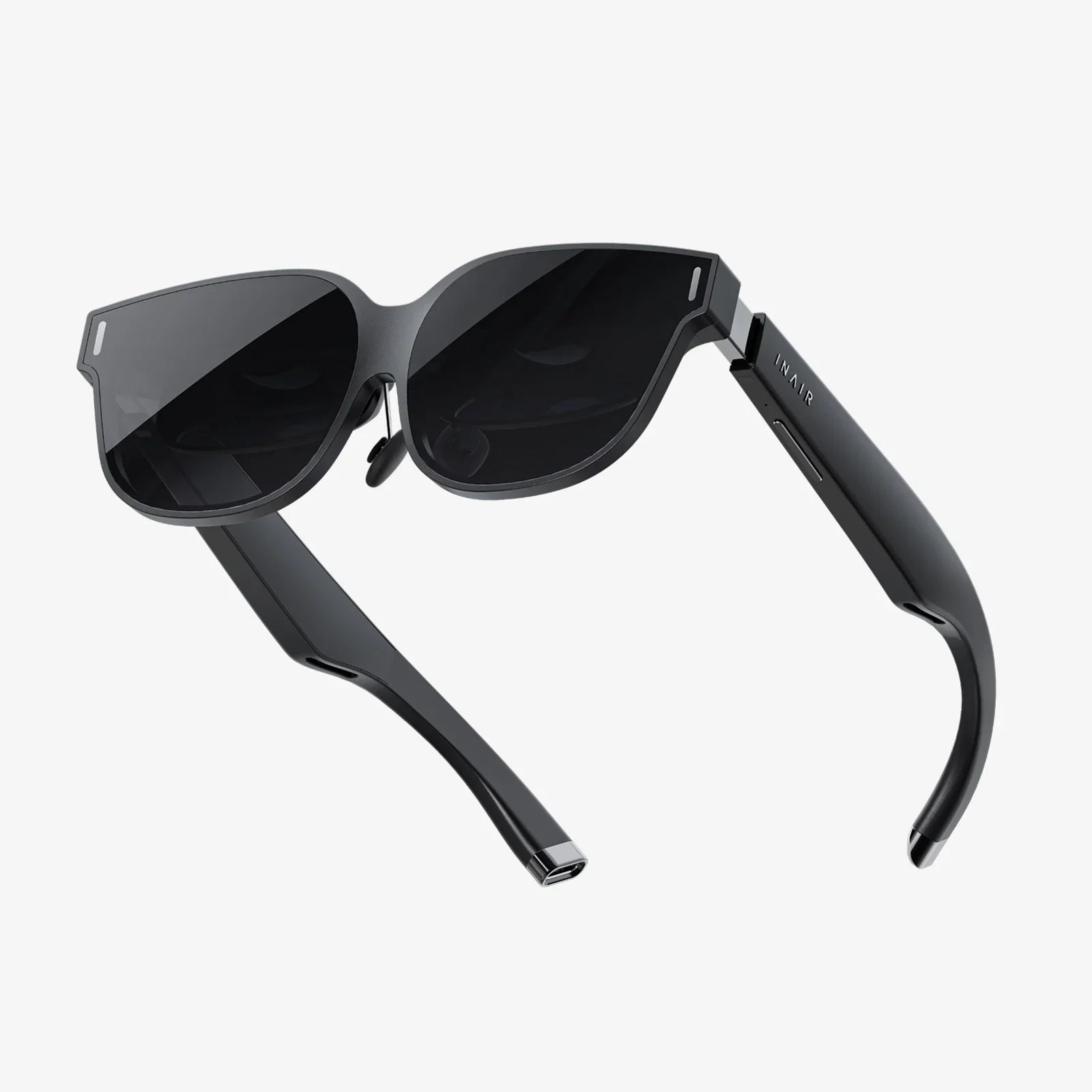
AR and VR are blurring the lines between the digital and physical worlds, creating unparalleled interactive experiences. Augmented Reality overlays digital information onto the real world through a smartphone or smart glasses. For example, a furniture app can project a virtual sofa into your living room to see how it fits and looks before you buy. A navigation app can superimpose arrows onto the live video feed of the street in front of you, guiding your way. Virtual Reality, by contrast, is fully immersive. Users put on a headset and are transported to a completely digital environment where they can train for complex surgical procedures, tour a historical site as it stood thousands of years ago, or collaborate with colleagues from around the world as if they were in the same room, all represented by interactive avatars.
Taking interactivity a step further, gesture control allows users to manipulate digital interfaces with hand waves, pinches, and swipes in the air, as seen in some next-generation automotive systems and gaming consoles. Coupled with this is haptic feedback, technology that simulates the sense of touch. A controller that rumbles in your hand when you crash a car in a video game is a simple example. More advanced systems can simulate the texture of a fabric on a touchscreen or the resistance of a virtual button, adding a crucial tactile layer to digital interactions and making them more convincing and memorable.
Effective digital interactions are not just about technological capability; they are deeply rooted in human psychology. The most successful examples tap into fundamental drivers of behavior. The concept of instant gratification is powerful—a 'like' notification provides an immediate hit of social validation. Variable rewards, the same mechanism that makes slot machines compelling, keep users checking social media feeds or refreshing email; the unpredictability of what they might find is inherently engaging. Furthermore, well-designed interactions foster a sense of agency and competence. When a user feels in control and can easily accomplish their goals, it builds positive feelings towards the platform or product, encouraging repeated use and loyalty.
As technology continues to evolve, the principles of designing meaningful digital interactions remain anchored in human-centricity.
With great interactive power comes great responsibility. The same techniques that can create engaging learning tools can also be used to design addictive social media feeds that impact mental health. Personalized recommendations can create helpful discovery or lead users down a rabbit hole of extreme content, creating filter bubbles. The data collected to enable seamless interactions must be guarded fiercely against breaches. Designers and developers have an ethical imperative to prioritize user well-being over mere engagement metrics, to build interactions that are not only smart but also kind, empowering, and respectful of human attention and dignity.
The trajectory is clear: digital interaction is evolving from a series of simple commands into a rich, multi-sensory, and contextual conversation. The future lies in interfaces that understand not just our clicks, but our intent, our environment, and even our emotions, creating a seamless symbiosis between human and machine that enhances our capabilities and enriches our lives in ways we are only beginning to imagine. The next time your phone suggests a word before you finish typing it, or a map app reroutes you around traffic without being asked, remember—you are not just using a tool; you are engaging in a sophisticated dialogue, a silent partnership shaping the very moment you are in.
Share:
Wearable Safety Tech News: The Future of Personal Protection is on Your Wrist
Lightweight VR Goggles: The Unseen Revolution Reshaping Our Digital Future