


- by wangfred
Digital Product Development Trends: The Forces Shaping Our Technological Future
- by wangfred
The digital landscape is not merely evolving; it is convulsing, transforming at a velocity that redefines the very essence of how we conceive, build, and deliver technology. For developers, designers, product managers, and business leaders, staying ahead is no longer a competitive advantage—it is a prerequisite for survival. The trends shaping digital product development are a complex tapestry of technological innovation, shifting user expectations, and a newfound responsibility to build a better digital future. This deep dive explores the powerful currents directing this flow, offering a compass to navigate the exciting, yet daunting, terrain ahead.
Gone are the days when Artificial Intelligence (AI) and Machine Learning (ML) were exotic features reserved for tech giants. Today, they are fundamental components, the new electricity powering digital products. This integration is moving beyond simple chatbots and recommendation engines into the core of the development lifecycle itself.
AI-powered tools are now assisting developers by generating code snippets, identifying bugs before they happen, and even optimizing entire codebases for performance and security. This doesn't replace the developer but augments their capabilities, allowing them to focus on complex problem-solving and creative architecture rather than repetitive tasks.
Within the products themselves, AI is enabling unprecedented levels of personalization and predictive intelligence. Products can now anticipate user needs, adapt interfaces in real-time, and deliver hyper-relevant content. This trend is pushing products from being merely functional to becoming truly intuitive and indispensable partners in the user's daily life.
A seismic shift is underway that is democratizing the ability to create digital solutions. Low-code and no-code (LCNC) platforms provide visual development environments where users can build applications through graphical user interfaces and configuration instead of traditional hand-coded programming.
This trend is empowering a new class of creators—often called "citizen developers"—from business analysts to marketing managers. They can now prototype ideas, build internal tools, and even launch customer-facing applications without deep coding expertise. This dramatically accelerates the development process, reduces the burden on professional IT departments, and fosters innovation from across the organization.
For professional developers, this means a shift in focus from writing every line of code to building and maintaining the robust platforms, APIs, and systems that power these LCNC tools. It emphasizes architecture, governance, and security, ensuring that democratization does not lead to chaos.
In the wake of high-profile data breaches and growing public skepticism, ethical considerations have moved from the periphery to the core of the product development process. Users are increasingly wary of how their data is collected, used, and monetized. In response, a new paradigm is emerging: Ethical by Design.
This trend means proactively embedding privacy, security, and transparency into the DNA of a product from its earliest conceptual stages, not bolting it on as an afterthought. This includes practices like:
Building trust is no longer a nice-to-have; it is a primary feature and a significant market differentiator.
For years, the focus was almost exclusively on the end-user experience (UX). While UX remains paramount, there is a growing recognition that a great product is built by empowered and efficient developers. Consequently, Developer Experience (DX) has become a critical trend.
Excellent DX encompasses everything that affects a developer's ability to build and deliver value: intuitive APIs, comprehensive documentation, powerful debugging tools, seamless deployment pipelines, and a supportive community. When DX is poor, development slows, frustration mounts, and burnout increases. When it is excellent, it accelerates innovation, improves product quality, and aids in attracting and retaining top talent.
Companies are now investing heavily in their internal platforms, treating them as products in their own right, with their own dedicated teams focused on making the development process as smooth and efficient as possible.
The digital ecosystem is more fragmented than ever. Users interact with products across a myriad of devices: smartphones, tablets, desktops, smartwatches, and even voice assistants. The trend is no longer about building for a single platform but about creating cohesive experiences that work seamlessly across this entire spectrum.
This has fueled the advancement of cross-platform development frameworks. These tools allow teams to write code once and deploy it to multiple operating systems, dramatically improving development efficiency and speed to market. The latest generation of these frameworks has closed the gap in performance and native feel, making them a viable choice for even the most demanding applications.
The goal is ubiquity—meeting the user on their preferred device with a consistent and high-quality experience, all while maintaining a manageable and single codebase.
Monolithic applications, where all components are intertwined and interdependent, are becoming relics of the past. The trend is decisively toward composable architecture—building digital products from smaller, modular, and interchangeable blocks.
This approach, often powered by APIs and microservices, offers unparalleled flexibility and resilience. Teams can develop, deploy, and scale individual components independently. They can also easily swap out or upgrade specific features without risking the stability of the entire system. This aligns perfectly with the need for speed and adaptability in the modern market.
Composable architecture future-proofs products, allowing businesses to pivot quickly, experiment with new features, and integrate best-in-class third-party services without undergoing a complete and costly rebuild.
As the climate crisis intensifies, the technology sector is facing scrutiny over its environmental footprint, from massive data center energy consumption to the short lifecycle of hardware. A powerful trend is emerging in response: the push for sustainable digital product development.
This involves a multi-faceted approach, including:
Sustainability is transitioning from a corporate social responsibility initiative to a core technical and design principle.
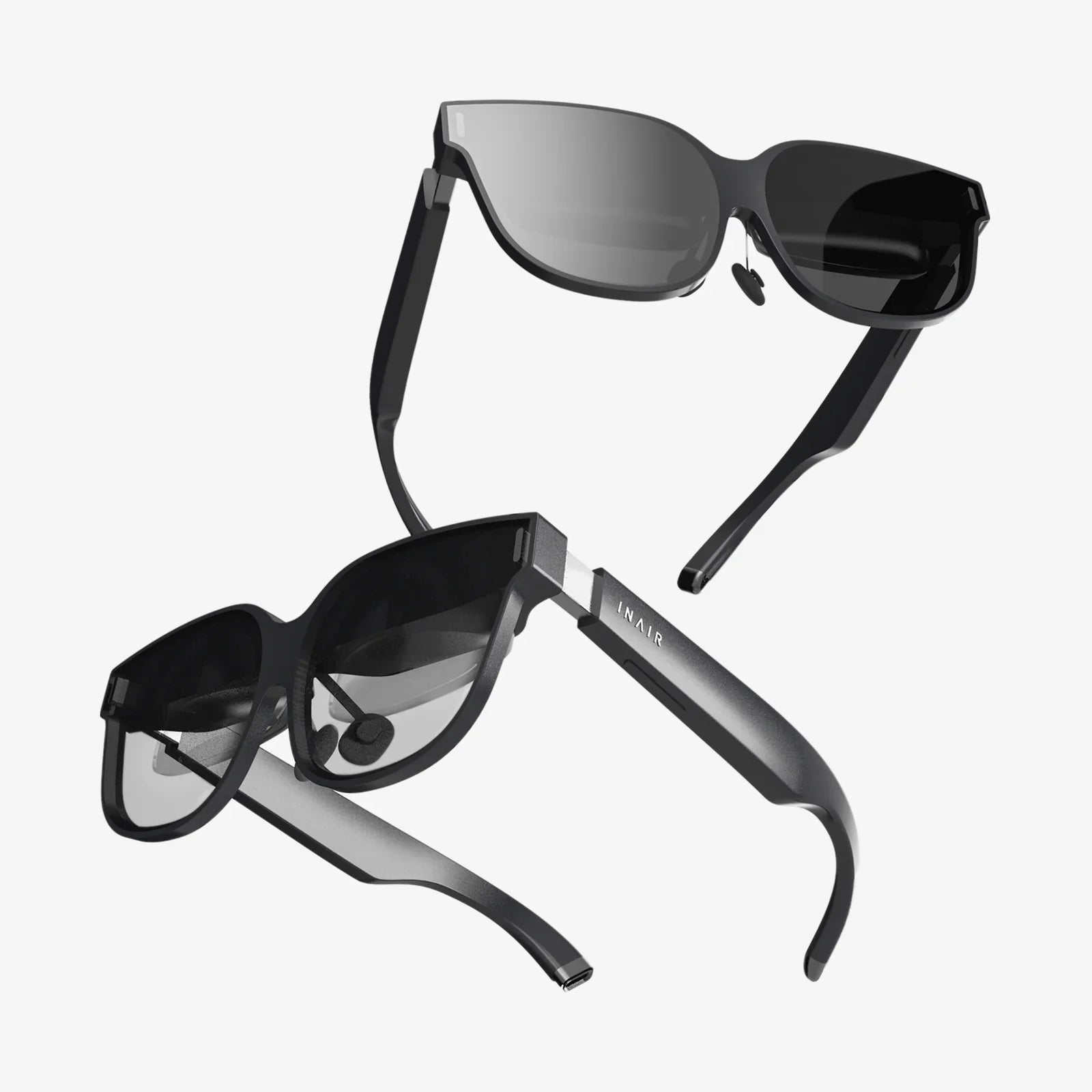
The next frontier of user interaction is being shaped by Augmented Reality (AR), Virtual Reality (VR), and the broader concept of the spatial web. While once confined to gaming and niche applications, these immersive technologies are now finding practical uses in retail, real estate, training, healthcare, and remote collaboration.
Digital product development is expanding to encompass 3D design, spatial audio, and gesture-based interfaces. Developers are grappling with new challenges like user orientation in a 3D space, preventing motion sickness, and creating intuitive interactions without a traditional keyboard and mouse.
This trend is not about replacing the 2D web but extending it, creating new layers of digital interaction that are overlaid onto our physical world, fundamentally changing how we access information and connect with each other.
Users now expect digital products to know them, understand their needs, and adapt accordingly. Generic, one-size-fits-all experiences are falling by the wayside. The trend is toward hyper-personalization, driven by sophisticated data analytics and user behavior modeling.
This goes beyond simply using a customer's first name in an email. It involves dynamically tailoring the entire user journey: curating content, adjusting UI elements, suggesting next steps, and offering support at the precise moment it's needed. This requires a robust data infrastructure, a commitment to ethical data use, and advanced analytics capabilities to derive meaningful insights in real-time.
The ultimate goal is to create a unique product experience for every single user, making it more engaging, efficient, and valuable.
Navigating this whirlwind of change is the great challenge and opportunity for every organization building digital products. Success will not come from chasing every new shiny tool, but from cultivating a culture of adaptability, continuous learning, and human-centric ethics. The winners in the next decade will be those who can harness these trends not as isolated tactics, but as interconnected parts of a cohesive strategy—building products that are not only powerful and profitable but also responsible, sustainable, and truly transformative for the people they serve. The future of digital product development is being written now, and it demands a new kind of builder.