


Imagine a world where your devices don't just respond to your commands but anticipate your needs, where your digital environment is a seamless extension of your intent, and where technology fades into the background of a more intuitive and empowered human experience. This isn't a distant science fiction fantasy; it's the tangible future being built today, set to mature and become mainstream by 2025. The rapid convergence of artificial intelligence, ubiquitous connectivity, and a fundamental shift in user expectations is catalyzing a new era of digital product design, one that promises to be more personal, integrated, and context-aware than ever before. The next wave of innovation is less about flashy new gadgets and more about a profound re-architecting of our digital lives.
The Rise of the Sovereign Consumer and the Demand for Hyper-Personalization
The most significant force driving digital product trends in 2025 is the emergence of the sovereign consumer. This user is digitally native, privacy-conscious, and values control over their data and experiences. They are no longer satisfied with one-size-fits-all solutions; they expect products to adapt to their unique preferences, behaviors, and contexts. This demand is moving personalization beyond simple algorithmic recommendations for music or movies.
By 2025, hyper-personalization will be the default expectation. This involves AI systems that synthesize vast amounts of anonymized and opt-in data to create dynamic user models. A fitness application, for instance, will not just track steps but will integrate with your calendar to suggest the optimal time for a workout based on your stress levels (measured via biometric wearables), the weather, and your historical performance data. It will then dynamically adjust your cooldown routine based on real-time muscle fatigue indicators. This level of granular, multi-faceted adaptation creates a digital experience that feels uniquely and exclusively crafted for the individual, fostering unparalleled user loyalty.
Ambient Computing: The Invisible, Omnipresent Interface
If hyper-personalization is the brain, ambient computing is the nervous system of the 2025 digital landscape. The goal is to shift interaction paradigms away from isolated screens and dedicated devices towards a continuous, context-aware flow of information and assistance. Technology will recede into the background, embedded in our environments—homes, cars, offices, and cities—becoming an invisible yet ever-present utility.
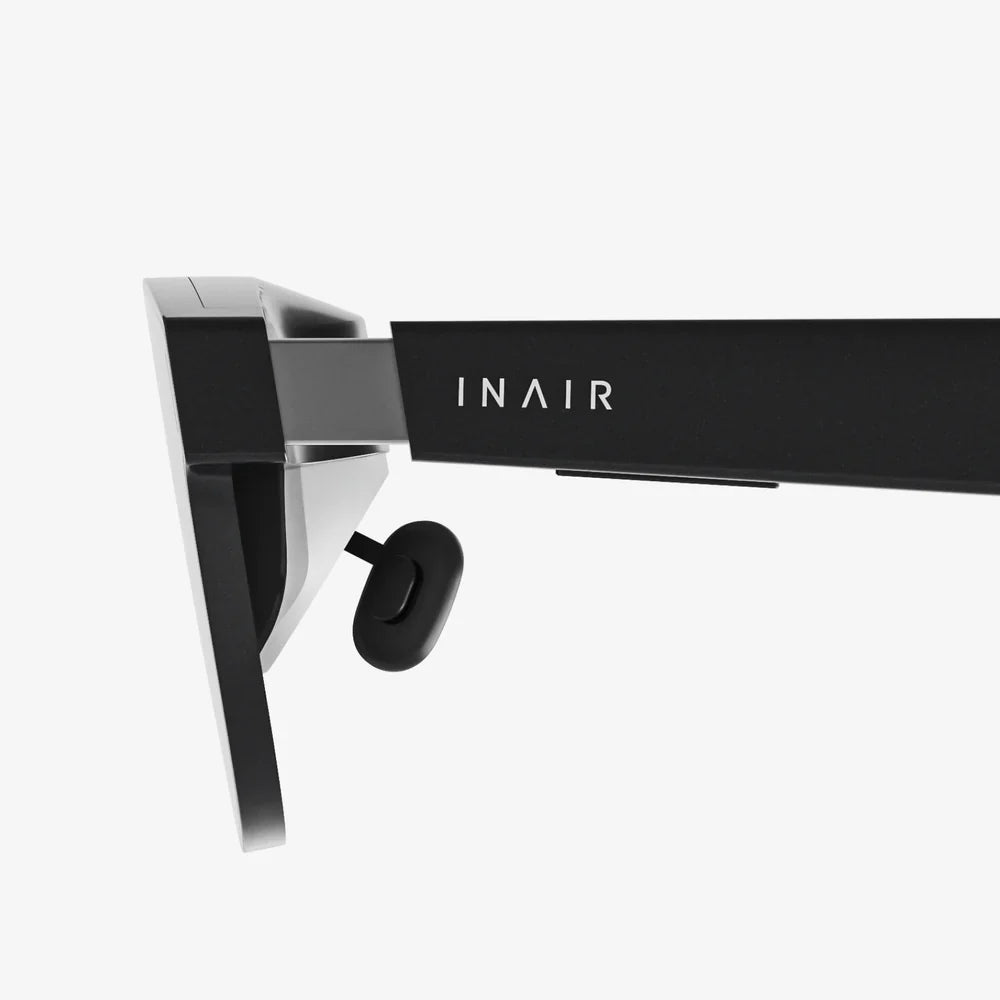
We are moving beyond the smartphone-as-a-hub model to a distributed, multi-modal ecosystem. You might start a task on your smart glasses, continue it through voice commands to your environment, and review the final output on a flexible display. The product trend here is the orchestration layer—the software and AI that seamlessly manages handoffs between these devices, ensuring a coherent experience without user friction. Success will be measured by how little a user has to think about the technology itself; the interface becomes a quiet, helpful presence that amplifies human capability without demanding constant attention.
The Generative AI Foundation: From Novelty to Utility
The initial explosion of generative AI has been characterized by its novelty and creative potential. By 2025, this technology will have completed its transition from a standalone marvel to a foundational utility embedded across the digital product stack. It will be the core engine powering hyper-personalization and enabling more natural ambient interactions.
We will see its application evolve in three key areas:
- Content Creation & Automation: AI will move from generating first drafts to executing complex, multi-step content workflows. It will autonomously produce not just text and images, but video edits, marketing campaigns, and lines of code, all tailored to a specific brand voice and audience segment.
- Intelligent Process Automation: Beyond robotic process automation (RPA), generative AI will understand the intent behind tasks. It will navigate complex software suites to execute commands like "prepare the Q3 financial report with visualizations comparing us to our top competitor" without pre-defined scripts.
- Dynamic Interface Adaptation: Interfaces will become fluid. Generative AI will restructure app layouts, navigation, and feature sets in real-time based on the user's immediate goal, skill level, and preferred mode of interaction, effectively creating a unique UI for every user at every moment.
Spatial Computing and the Digital-Physical Merge
The line between the digital and physical worlds will continue to blur dramatically. Spatial computing—the use of augmented reality (AR), virtual reality (VR), and mixed reality (MR) to anchor digital information and objects into our physical space—will move from specialized applications to more general consumer and enterprise use.
Digital product trends in this space will focus on practical utility over escapism. For consumers, this means AR overlays that provide real-time information about products on a shelf (nutritional data, sourcing, reviews), interactive navigation arrows painted onto the street through smart glasses, or virtual instructors guiding a repair in your field of vision. For enterprises, it will revolutionize fields like manufacturing, where technicians can see assembly instructions overlaid on machinery, or logistics, where warehouse workers can see optimal picking paths and inventory data. The key trend is contextual anchoring—digital information that is not just displayed, but intelligently tied to and interacts with specific physical objects and locations.
The Unbreakable Chain: Blockchain for Verification and Ownership
While the hype around certain blockchain applications may wax and wane, the core value proposition of verifiable ownership and tamper-proof records will find solid footing by 2025. The trend will be less about currency and more about utility as a trust layer for digital products.
We will see this in the proliferation of decentralized identity systems, giving users true ownership and portability of their personal data and credentials. A user could prove their age to a website without submitting a driver's license or share their professional certifications with an employer instantly and verifiably. Furthermore, product provenance will become a standard feature. Consumers will be able to scan a product and receive an unchangeable record of its origin, supply chain journey, and authenticity, driving transparency in sustainability and ethical sourcing. This trend empowers the sovereign consumer, providing the tools to verify and trust the digital and physical products they engage with.
Ethical by Design: The Non-Negotiable Integration of Trust
A trend that underpins all others is the mandatory integration of ethics, privacy, and security directly into the product development lifecycle—a concept known as "Ethical by Design." The sovereign consumer of 2025 will gravitate towards products that are transparent about data usage, offer clear opt-in/opt-out controls, and demonstrably prioritize user well-being over engagement-at-any-cost metrics.
This will manifest in several ways: the widespread adoption of differential privacy techniques to gain insights from aggregated data without compromising individual identities, explainable AI that can articulate why it made a specific recommendation, and features designed to combat digital addiction, such as focus modes and wellness dashboards. Trust will become the ultimate competitive moat. Companies that build transparent, ethical, and secure products will win the long-term loyalty of users who are increasingly wary of how their digital footprint is being used.
The Sustainable Digital Ecosystem
Environmental, Social, and Governance (ESG) considerations will profoundly influence digital product development. Energy efficiency will be a primary design constraint, not an afterthought. This means optimizing algorithms to be less computationally intensive, designing software that prolongs the hardware lifecycle, and leveraging cloud data centers powered by renewable energy.
Beyond energy, the trend extends to creating digital products that enable a circular economy. This includes apps that facilitate the repair, resale, and recycling of physical goods, platforms that promote sustainable shopping, and supply chain management tools that help companies minimize waste and carbon emissions. The digital product itself will be judged not only on its functionality but also on its contribution to a more sustainable world.
The digital landscape of 2025 will be unrecognizable not because of a single revolutionary device, but due to a silent, fundamental rewiring of our technological interactions. The winners in this new era will be the products that master the art of subtlety—those that offer fierce personalization without being intrusive, that provide powerful utility without complexity, and that earn the sacred trust of the sovereign consumer by being transparent, ethical, and sustainable. The future of digital products is not about more technology; it's about better, smarter, and more human-centered technology. The race to build this intuitive, ambient, and empowering future is already underway, and its arrival will redefine our relationship with the digital world forever.
Share:
Top Wearable Device Companies 2025: The Titans Shaping Our Connected Future
Best Smart Glasses 2025 Recommendations: The Ultimate Guide to Eyewear Evolution