


- by wangfred
Digital Smart Screen: The Invisible Engine Powering Our Connected World
- by wangfred
Imagine a world where every surface is alive with information, where the boundary between the physical and digital realms dissolves into a seamless flow of interaction, communication, and intelligence. This is not a distant sci-fi fantasy; it is the rapidly emerging reality powered by a single, transformative technology: the digital smart screen. Far more than just a display, it has evolved into the invisible engine, the connective tissue, and the intuitive interface of our modern existence, quietly revolutionizing how we live, work, and connect.
The journey of the screen is a story of relentless miniaturization and exponential intelligence. It began with the bulky cathode ray tube, a monochromatic window to limited information. The shift to liquid crystal display (LCD) and later, light-emitting diode (LED) technologies was the first great leap, making screens thinner, brighter, and more energy-efficient. This was the era of the ‘dumb’ screen—a passive recipient of signals, a one-way mirror into broadcast content.
The true paradigm shift occurred with the integration of computing power, connectivity, and touch sensitivity. The addition of a simple processor transformed the passive display into an interactive portal. The integration of Wi-Fi and Bluetooth turned it into a node on the vast network of the internet. Suddenly, the screen was no longer just a destination for content; it became a source, a controller, and a collaborator. This convergence birthed the modern digital smart screen—a device defined by its ability to process information, connect to other devices, and respond to user input in dynamic, context-aware ways.
The magic of a smart screen lies in its sophisticated fusion of hardware and software. It’s a symphony of components working in perfect harmony.
The most visible impact of the smart screen has been in the heart of the home: the living room. It has completely redefined home entertainment. Streaming services have replaced scheduled programming, offering a vast, on-demand library of content curated by algorithms tailored to individual tastes. The screen has become a gaming portal, with cloud gaming services delivering high-fidelity experiences without the need for expensive hardware.
But its role extends far beyond passive consumption. It has become a hub for family connection. Video calling apps transform it into a window to grandparents or friends, making the world feel smaller and more intimate. Digital photo frames cycle through cherished memories, while music streaming services fill the home with sound. In the kitchen, a smart screen can display recipes, guide you through cooking steps with video, manage grocery lists, and control smart ovens. It is the command center for the modern, connected household, seamlessly blending entertainment, information, and utility.
Step outside the home, and the digital smart screen is equally transformative. In the retail world, static price tags and printed posters are giving way to dynamic digital signage. These screens can change promotions in real-time based on inventory levels, the weather, or the time of day. They can provide detailed product information, interactive catalogs, and even wayfinding maps within large stores, enhancing the customer experience and driving engagement.
In restaurants, they power self-service kiosks, streamlining ordering, reducing wait times, and improving order accuracy. In corporate lobbies, they serve as sleek, professional directories and welcome signs. In museums and galleries, they offer immersive, interactive exhibits that bring art and history to life. In city centers, they act as information hubs, displaying public transport schedules, news, and emergency alerts. They are the new digital town squares, facilitating commerce, disseminating information, and shaping the aesthetic of our shared environments.
The modern office has been utterly revolutionized by this technology. The era of clunky projectors and confusing dongles is fading, replaced by large-format interactive displays. These screens are the focal point of the hybrid workplace. They are whiteboards, video conferencing portals, and data visualization tools all in one.
In a meeting, team members can wirelessly share their laptop screens onto the display simultaneously. They can annotate directly over a document or website in real-time, with colleagues joining in from across the globe as if they were in the same room. This fosters a new level of collaboration, breaking down geographical barriers and making ideation more dynamic and inclusive. For training sessions and presentations, the ability to integrate multimedia, web content, and live annotation creates far more engaging and effective experiences than static slides ever could.
This always-on, always-connected, always-listening nature of smart screens does not come without significant challenges and ethical considerations that society must grapple with.
The evolution of the digital smart screen is far from over. We are on the cusp of the next great leap, where the concept of a ‘screen’ itself may become obsolete. The future points toward immersive and ambient experiences.
Flexible and transparent OLED technology will allow screens to be rolled up like a poster or embedded seamlessly into windows and mirrors, turning any surface into a potential display. MicroLED promises even higher brightness, efficiency, and modular screens that can be scaled to any size. The integration of Artificial Intelligence will move from simple voice commands to true contextual awareness and predictive assistance. Your screen will anticipate your needs, proactively offering information and controlling your environment based on your routines and preferences.
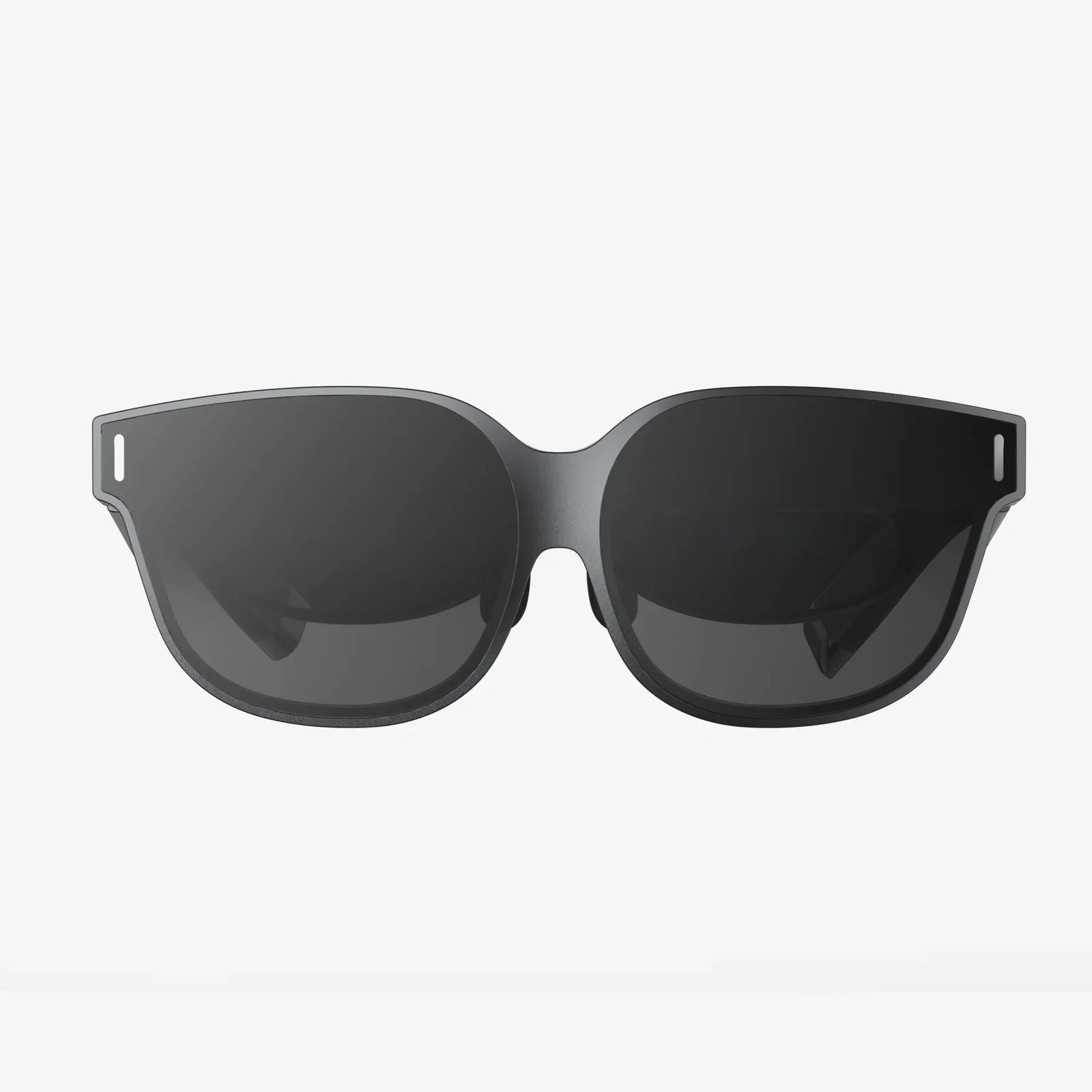
Ultimately, the destination is the complete invisibility of the interface. Augmented Reality (AR) glasses aim to project digital information directly onto our view of the real world, making dedicated screens unnecessary. In this future, the entire world becomes your canvas, and the intelligence of the smart screen is woven into the very fabric of your perception.
We are standing at the threshold of a new era, one where the lines between our physical reality and the digital universe are not just blurred but erased. The humble screen has grown into something far more profound—a gateway, a companion, and an extension of our own cognition. It promises a future of unparalleled convenience, connection, and knowledge, but it also demands our careful consideration, our ethical scrutiny, and our active shaping. The story of the digital smart screen is, ultimately, the story of us, and the next chapter is waiting to be written.
Share:
AI PC Build: The Ultimate Guide to Crafting Your Intelligent Machine
What Smart Devices Do I Need? A Guide to Building Your Connected Home