


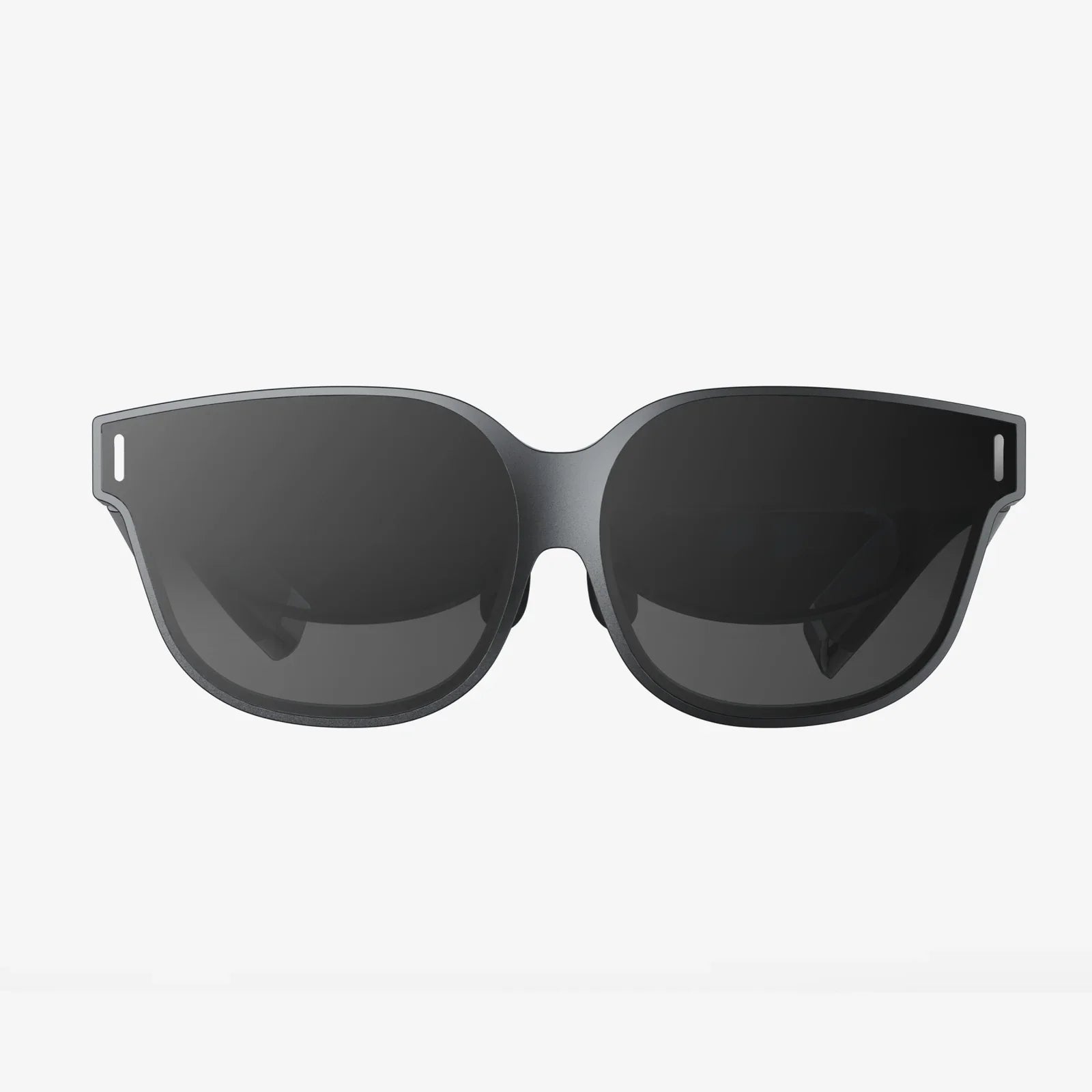
Discreet AR glasses sound like something out of a sci-fi thriller: powerful digital overlays, real-time information, and hands-free control, all wrapped in eyewear that looks almost indistinguishable from normal glasses. Yet this technology is no longer fantasy. It is quietly emerging in offices, on city streets, in classrooms, and even at the dinner table. If you have ever wished for the power of your smartphone without the constant screen-checking and social awkwardness, discreet AR glasses may be the next big leap you have been waiting for.
The promise is simple but profound: keep your eyes up, your hands free, and your attention in the real world, while still getting the benefits of digital assistance. That combination is drawing attention from professionals, creators, students, and anyone who is tired of being tethered to a glowing rectangle. To understand why discreet AR glasses are generating so much quiet excitement, it helps to look at what they are, how they work, and how they might reshape everyday life.
What Makes AR Glasses Truly Discreet?
Discreet AR glasses are not just any augmented reality eyewear. The key difference lies in subtlety. Traditional AR headsets can be bulky, obvious, and socially intrusive, while discreet versions prioritize minimalism and everyday wearability.
Core Characteristics of Discreet AR Glasses
- Minimal visual bulk: Frames are slim, often similar in size and shape to typical prescription or fashion glasses.
- Subtle displays: Information appears in a small portion of your field of view, often as faint overlays that only you can see.
- Quiet controls: Interaction relies on tiny touch-sensitive areas, voice commands, or discreet gestures rather than dramatic hand movements.
- Natural appearance: From a distance, it should be difficult to tell that the glasses are anything more than standard eyewear.
- Low-light and glare management: Displays must remain visible to the wearer without glowing or reflecting in a way that draws attention.
Discretion is about more than aesthetics. It is about social comfort. People are far more likely to accept and adopt AR glasses if they do not feel like they are wearing a gadget on their face. The more the glasses blend into everyday life, the easier it becomes to use them in meetings, on public transit, or at family gatherings without feeling self-conscious.
How Discreet AR Glasses Work Behind the Scenes
Under the surface, discreet AR glasses combine several technologies that must work together without adding bulk or weight. The engineering challenge is to pack as much capability as possible into a form factor that feels like regular glasses.
Key Components and Technologies
- Display system: Often based on microprojectors, microLEDs, or waveguides that channel light into your field of view. These systems must be tiny, energy-efficient, and carefully aligned with your eyes.
- Onboard computing: A small processor handles tasks like rendering graphics, tracking head position, and managing wireless connections.
- Sensors: Accelerometers, gyroscopes, and sometimes magnetometers help track head movement. Some models may add depth sensors or simple cameras for environment awareness.
- Audio: Bone conduction or tiny directional speakers near the ears provide sound without obvious earbuds.
- Battery: Batteries are typically embedded in the arms of the glasses, balancing runtime against weight and thickness.
- Connectivity: Wireless links to a phone or other device offload heavy processing and internet access.
The challenge is to make all of this work without creating a heavy, front-loaded frame that slips down your nose or causes fatigue. That is why many discreet AR glasses lean heavily on a paired smartphone for processing power, allowing the glasses themselves to stay light and comfortable.
Why Discreet AR Glasses Matter in Everyday Life
Discreet AR glasses are not just about novelty. They respond to a growing tension in modern life: the need for constant connectivity without constant distraction. Instead of burying your face in a phone, you can glance at subtle overlays that appear only when you need them.
Reducing Screen Addiction Without Losing Capability
Many people feel trapped in a cycle of checking notifications, scrolling feeds, and responding to messages. Discreet AR glasses offer a different relationship with technology:
- Micro-interactions: Quick glances to check a message or direction, without fully disengaging from the real-world conversation or environment.
- Context-aware alerts: Notifications can be filtered based on location, activity, or time of day, reducing unnecessary interruptions.
- Hands-free use: You do not have to reach into your pocket or bag; information appears when needed and disappears when not.
This shift from constant screen time to short, context-aware interactions could significantly reduce digital fatigue while maintaining productivity.
Social Presence and Eye Contact
One of the biggest social costs of smartphones is the loss of eye contact and attention. Discreet AR glasses aim to restore that by keeping your gaze forward instead of downward. When designed well, they allow you to:
- Maintain eye contact during conversations.
- Glance at information without obviously breaking engagement.
- Participate more fully in shared experiences, like walking tours or events, while still having access to helpful overlays.
Of course, this only works if the glasses themselves do not become a distraction. That is why the level of discretion and the design of the interface are so critical.
Key Use Cases for Discreet AR Glasses
Discreet AR glasses shine in scenarios where hands-free access to information is valuable but social subtlety is essential. Here are some of the most compelling everyday and professional use cases.
1. Navigation and Travel
Trying to follow navigation on a phone while walking or driving can be frustrating and unsafe. Discreet AR glasses can overlay simple indicators directly in your field of view:
- Arrows pointing toward your next turn.
- Street names hovering near intersections.
- Subtle alerts for upcoming transit stops or gate changes.
Because the guidance appears where you are looking, you can keep your attention on the environment instead of constantly checking a handheld screen.
2. Work and Productivity
In office or remote work settings, discreet AR glasses can serve as a quiet, personal heads-up display:
- View short reminders or task lists while in meetings.
- See the names and roles of colleagues during introductions, useful for networking or large teams.
- Follow speaking notes or bullet points during presentations without looking down at paper or a laptop.
For field workers, technicians, and logistics professionals, the benefits are even more tangible:
- Hands-free access to checklists or instructions.
- Overlay of part numbers or component labels.
- Real-time updates on inventory or route changes.
Because the glasses are discreet, they can be worn in client-facing environments without feeling out of place.
3. Learning and Education
Discreet AR glasses can turn everyday environments into learning spaces without overwhelming students or drawing attention to the technology itself.
- Language learners can see translations or pronunciation hints while reading signs or labels.
- Students can access quick definitions or formulas during study sessions.
- In lab environments, safety instructions or experiment steps can appear at the right moment.
Because the glasses are subtle, students are less likely to feel self-conscious using them in group settings, which can encourage adoption.
4. Health, Fitness, and Accessibility
For health and fitness, discreet AR glasses can provide:
- Real-time metrics like heart rate, pace, or distance during runs or workouts.
- Gentle posture reminders for people who sit at desks all day.
- Guided breathing or mindfulness prompts that appear during breaks.
For accessibility, they can be even more transformative:
- Text magnification or high-contrast overlays for people with certain visual impairments.
- Live captioning of speech for those who are hard of hearing.
- Subtle navigation cues for people who find wayfinding challenging.
Discreet AR glasses can deliver these benefits without drawing attention to the user, which is crucial for many people who prefer not to highlight their needs in public.
5. Social and Everyday Convenience
Beyond work and health, discreet AR glasses can streamline countless small moments in daily life:
- See the name of a person you have met before but cannot quite recall.
- Get a gentle reminder about a topic you wanted to discuss with someone.
- Receive silent notifications about urgent messages without pulling out your phone.
- View shopping lists or quick notes while browsing in stores.
These small conveniences add up to a smoother, less fragmented day, especially for people juggling busy schedules.
Design Priorities: Comfort, Style, and Subtlety
For discreet AR glasses to become truly mainstream, they must satisfy not just tech enthusiasts but also people who care deeply about comfort and appearance. Design is not an afterthought; it is central to adoption.
Comfort and Fit
People wear glasses for hours at a time. If AR glasses pinch, slip, or cause headaches, they will end up in drawers. Key design considerations include:
- Weight distribution: Batteries and electronics must be balanced so the glasses do not feel front-heavy.
- Nose pads and temples: Adjustable components help fit different face shapes without pressure points.
- Ventilation: Preventing fogging and heat buildup is important for long-term comfort.
Because discreet AR glasses aim to look like normal eyewear, designers cannot rely on bulky head straps or large pads to compensate for poor weight distribution. Everything must be carefully engineered.
Style and Personal Expression
Eyewear is a fashion statement as much as a tool. People choose frames that match their personality, face shape, and wardrobe. Discreet AR glasses need to respect that by offering:
- Multiple frame styles, from classic to modern.
- Different colors and finishes.
- Options for prescription lenses, tinted lenses, or blue-light filtering.
The more customizable the glasses are, the easier it is for users to integrate them into their everyday look without feeling like they are wearing a gadget.
Subtle Indicators and Feedback
Even discreet AR glasses need some external indicators, such as tiny lights to show when the device is active or when certain features are in use. The challenge is to make these indicators:
- Visible enough to reassure others about privacy (for example, when a camera is active).
- Subtle enough not to make the wearer feel like a walking status display.
Thoughtful design around these signals can build trust while preserving the discreet nature of the device.
Privacy and Ethics: The Hidden Tension
Discreet AR glasses raise powerful questions about privacy and ethics. The very features that make them appealing, such as subtle recording or always-on awareness, can also make them unsettling if misused.
Concerns About Recording and Surveillance
People worry that someone wearing AR glasses might be recording them without consent, or analyzing their facial expressions, or identifying them with facial recognition. These concerns are not hypothetical. They shape public attitudes and can trigger backlash if not addressed.
Responsible design and policy can help mitigate these fears:
- Clear visual indicators when recording features are active.
- Restrictions on certain types of biometric analysis.
- Transparent privacy policies about how data is stored, processed, and shared.
Without strong protections, discreet AR glasses could face the same social resistance that early wearable cameras encountered.
Data Collection and Personal Profiles
AR glasses can collect rich data about where you look, where you go, and what you interact with. This information could be used to build detailed profiles of behavior and preferences.
Ethical deployment requires:
- Clear user control over what is collected and for what purpose.
- Options to store data locally or limit sharing.
- Strong security measures to prevent unauthorized access.
Users need to feel that the benefits of discreet AR glasses are not overshadowed by the risk of constant, invisible surveillance.
Social Norms and Etiquette
New technology always forces society to renegotiate norms. With discreet AR glasses, questions arise such as:
- Should they be removed in certain settings, like private meetings or social gatherings?
- Is it acceptable to wear them while talking one-on-one with someone?
- How should workplaces or schools set policies around their use?
As these glasses become more common, shared expectations will emerge. Users who adopt them early will play a key role in setting respectful, transparent habits, such as explaining when certain features are active or offering to remove the glasses if others are uncomfortable.
Technical Challenges on the Road to True Discretion
Even as prototypes and early products appear, several technical hurdles remain before discreet AR glasses can fully deliver on their promise.
Battery Life vs. Size
Power is a constant constraint. Users want glasses that last all day, but batteries take space and add weight. Current approaches include:
- Offloading heavy processing to a paired phone.
- Using low-power displays and efficient sensors.
- Implementing aggressive power management that dims or shuts off the display when not needed.
Future improvements in battery technology and low-power chips will directly translate into thinner, lighter, and more capable glasses.
Display Clarity and Eye Strain
Information must be readable without causing eye strain or obscuring the real world. This requires careful attention to:
- Brightness and contrast, especially in outdoor sunlight.
- Focus distance, so the overlay feels natural and does not force the eyes to constantly refocus.
- Color choices and font sizes that remain legible in different lighting conditions.
Discreet AR glasses must strike a balance between visibility and subtlety, so the display is there when you need it and easy to ignore when you do not.
Input Methods and Control
Typing on tiny virtual keyboards in midair is not practical or discreet. Instead, AR glasses rely on combinations of:
- Voice commands for quick actions.
- Touch-sensitive areas on the frame for simple gestures like swipes and taps.
- Head movements or gaze direction for selecting items.
The goal is to make control intuitive and fast without drawing attention. That means minimizing large gestures and ensuring voice commands work well even in noisy or public environments.
How Discreet AR Glasses Could Reshape Future Habits
As discreet AR glasses improve and become more common, they could change not just how we access information but also how we think about devices and daily routines.
From Device-Centric to Environment-Centric Computing
Today, computing is centered around physical devices: phones, laptops, tablets. AR glasses hint at a shift toward environment-centric computing, where information is layered directly onto the world around you.
- Instructions appear near the object you are working on.
- Reminders are tied to locations rather than apps.
- Collaboration happens in shared physical spaces enhanced by digital overlays.
Discreet AR glasses are a critical step because they make this shift socially acceptable and wearable all day.
Rethinking Workflows and Collaboration
Teams may begin to design workflows that assume hands-free access to information. For example:
- Remote experts can guide on-site workers by seeing what they see and overlaying instructions.
- Group brainstorming sessions can include shared virtual notes floating in the room.
- Training can move from manuals to interactive, context-aware guidance.
Because discreet AR glasses do not dominate the wearer’s appearance, they can be used in more formal or client-facing contexts without feeling out of place.
Balancing Presence and Productivity
One of the most intriguing possibilities is that discreet AR glasses might help people strike a healthier balance between digital productivity and real-world presence. Instead of constantly switching between a phone and the environment, users can blend the two more seamlessly.
Used thoughtfully, this could mean:
- Fewer disruptions from non-essential notifications.
- More sustained attention during conversations and tasks.
- A sense of control over when and how digital information appears.
The risk, of course, is that the glasses become another channel for overload. The difference will come down to design choices, user habits, and cultural expectations.
Practical Tips for Evaluating Discreet AR Glasses
For anyone considering adopting discreet AR glasses as they become available, a few practical criteria can help in assessing whether a particular model fits your needs and lifestyle.
Check the Level of True Discretion
Marketing language can be generous. Look for:
- How similar the frames look to ordinary glasses at a distance.
- Whether any lights or indicators are always visible.
- How obvious the display appears from different angles.
If possible, try wearing them in public or in social settings to see how they feel and how others react.
Evaluate Comfort Over Time
Short demos can be misleading. Comfort issues often appear after extended use:
- Wear them for at least an hour to assess weight and pressure points.
- Notice whether your eyes feel strained or tired.
- Check whether the frames stay in place during normal movement.
Discreet AR glasses are meant for everyday wear, so long-term comfort matters more than flashy features.
Consider Your Top Use Cases
Different designs emphasize different strengths. Clarify what you want most:
- Navigation and travel assistance.
- Work productivity and hands-free notes.
- Fitness metrics or health reminders.
- Accessibility features like captions or magnification.
Then check whether the glasses support those tasks well, rather than being seduced by features you are unlikely to use.
Review Privacy and Control Options
Before committing, look closely at:
- What data is collected and where it is stored.
- How easy it is to disable sensors or recording features.
- Whether you can adjust notification settings to avoid constant interruptions.
Discreet AR glasses should empower you, not quietly turn your day into a stream of data for others.
Why Discreet AR Glasses Could Be the Next Everyday Essential
Discreet AR glasses sit at the intersection of style, subtlety, and powerful functionality. They promise a future where you can tap into digital assistance without sacrificing attention, eye contact, or personal presence. Instead of pulling you out of the moment, they aim to enhance the moment with just enough information, delivered exactly when and where you need it.
If you are curious about what comes after smartphones, discreet AR glasses are one of the most compelling answers so far. They do not demand that you live in a virtual world, and they do not announce themselves loudly to everyone around you. They simply sit on your face like ordinary glasses, quietly turning the world into an intelligent interface. For anyone who wants to stay connected while staying present, that subtle transformation might be the most powerful upgrade of all.
Share:
Portabl Computer Monitor Buying Guide And Usage Tips For Modern Users
Difference Between Virtual Reality And Augmented Reality With Examples Explained Clearly