


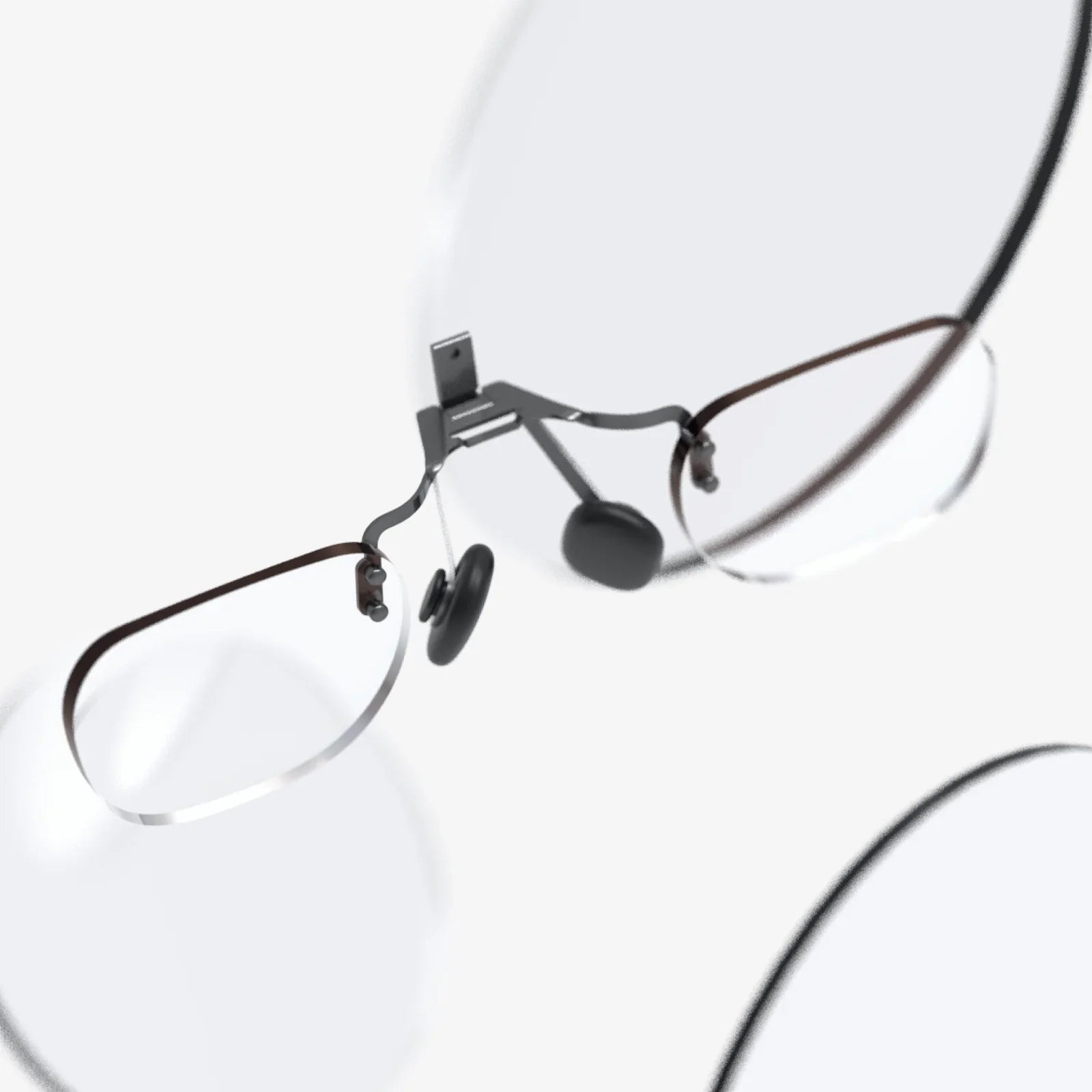
- by wangfred
DJI Goggles VR Compatibility - Unlocking Immersive Aerial Experiences
- by wangfred
Imagine strapping on a pair of goggles and instantly being transported into the cockpit of a drone, soaring through the skies with a breathtaking, uninterrupted view of the world below. This is the promise of first-person view (FPV) flight, a revolution in aerial photography and immersive experience that has captivated enthusiasts and professionals alike. At the heart of this revolution lies a critical piece of technology: the headset. The question of compatibility—what works with what—is paramount, turning a simple pair of goggles into a gateway or a barrier to the skies. The pursuit of the perfect, seamless visual link is what drives the conversation around VR headset integration in the drone ecosystem.
Before delving into the complexities of compatibility, it's crucial to understand the ecosystem these goggles were designed for. The manufacturer created a closed, highly optimized system to guarantee a premium, low-latency, and high-definition experience. This system is built on two key proprietary technologies that are the bedrock of its performance.
The first is OcuSync, a advanced digital transmission system. Unlike analog video signals used in traditional FPV, OcuSync provides a robust, long-range digital link that is resistant to interference. It dynamically adjusts video quality and transmission power based on signal conditions, ensuring a stable feed. The second technology is a specific video encoding and decoding protocol. The video feed from the drone is encoded in a specific way before transmission and must be decoded by the receiving device—in this case, the goggles—to minimize latency, the delay between an action happening and you seeing it. For FPV flight, especially at high speeds, latency must be imperceptibly low to avoid crashes and ensure a smooth experience.
The goggles designed for this system are more than just displays; they are sophisticated receivers and controllers. They house the antennas for OcuSync, the decoder chips, and the software to manage the entire link. This tight integration is why they offer such a phenomenal out-of-the-box experience with compatible drones, boasting crystal-clear digital video with ranges measured in kilometers.
When discussing native compatibility, we refer to the designed-to-work-together pairing between the goggles and specific aerial platforms. This is where the system truly shines, offering a plug-and-play experience that is difficult to rival.
This native pathway offers an unparalleled user experience. The pairing process is simple, the connection is rock-solid, and the video quality is stunningly clear, making it the recommended route for anyone seeking a reliable and high-performance FPV adventure.
This is where the question of compatibility becomes complex. Many tech-savvy users wonder if they can leverage existing hardware, like standard VR headsets (e.g., Meta Quest, HTC Vive, etc.), to function as displays for drone video feeds. The short answer is that it is not officially supported and is fraught with technical challenges.
The primary obstacle is the closed-loop transmission system. The OcuSync signal is proprietary. A standard VR headset has no way to receive or interpret this signal directly. It lacks the necessary hardware (the specific receiver and antennas) and software (the decoder). Therefore, attempting to use a standard VR headset as a direct replacement for the dedicated goggles is not feasible.
However, the community has explored workarounds, primarily involving third-party applications and HDMI input. Some VR headsets feature an HDMI input port or can be connected to a computer. The theoretical workaround involves:
This method introduces significant drawbacks:
Therefore, while technically possible in a limited, convoluted way, using a standard VR headset for a true FPV flight experience is not a practical or recommended path. The dedicated goggles are purpose-built to avoid these very issues.
The landscape of technology is never static. The future of headset and drone compatibility could evolve in several exciting directions. While pure open compatibility with any VR headset remains unlikely due to the specialized hardware requirements, we may see shifts in strategy.
One possibility is the development of a more open transmission standard or the licensing of the OcuSync technology to third-party headset manufacturers. This would allow other companies to build headsets that are natively compatible with the ecosystem, giving consumers more choice while maintaining the low-latency, high-quality link.
Another avenue is the continued development of standalone VR/AR headsets with powerful onboard processing and wireless capabilities. Future iterations of transmission systems could be designed to beam a signal directly to an app on such a headset, provided it meets specific technical requirements for antennas and decoding speed. This would move the compatibility question from hardware to software and certification.
Furthermore, the line between dedicated goggles and general-purpose AR/VR headsets is blurring. Future devices from all manufacturers will likely be multi-functional, capable of handling productivity, entertainment, and immersive drone piloting from a single device. The key will be building the necessary radio and decoding capabilities into these universal devices to support a professional-grade FPV experience.
For the aspiring FPV pilot, understanding these compatibility nuances is key to making an informed decision. Your choice ultimately depends on your goals, technical appetite, and budget.
Always prioritize a safe and legal flying experience. A reliable video feed is not a luxury; it is a necessity for maintaining control of your aircraft and ensuring the safety of people and property on the ground.
The journey into the sky through a screen on your face is one of the most thrilling technological adventures available today. While the path of dedicated hardware offers a smooth and breathtaking flight, the exploration of broader compatibility showcases the innovative spirit of the community. This pursuit of the ultimate immersive perspective, of breaking down barriers between the pilot and the machine, is what continues to drive the evolution of the technology forward. The perfect view is out there, waiting for you to claim it.