


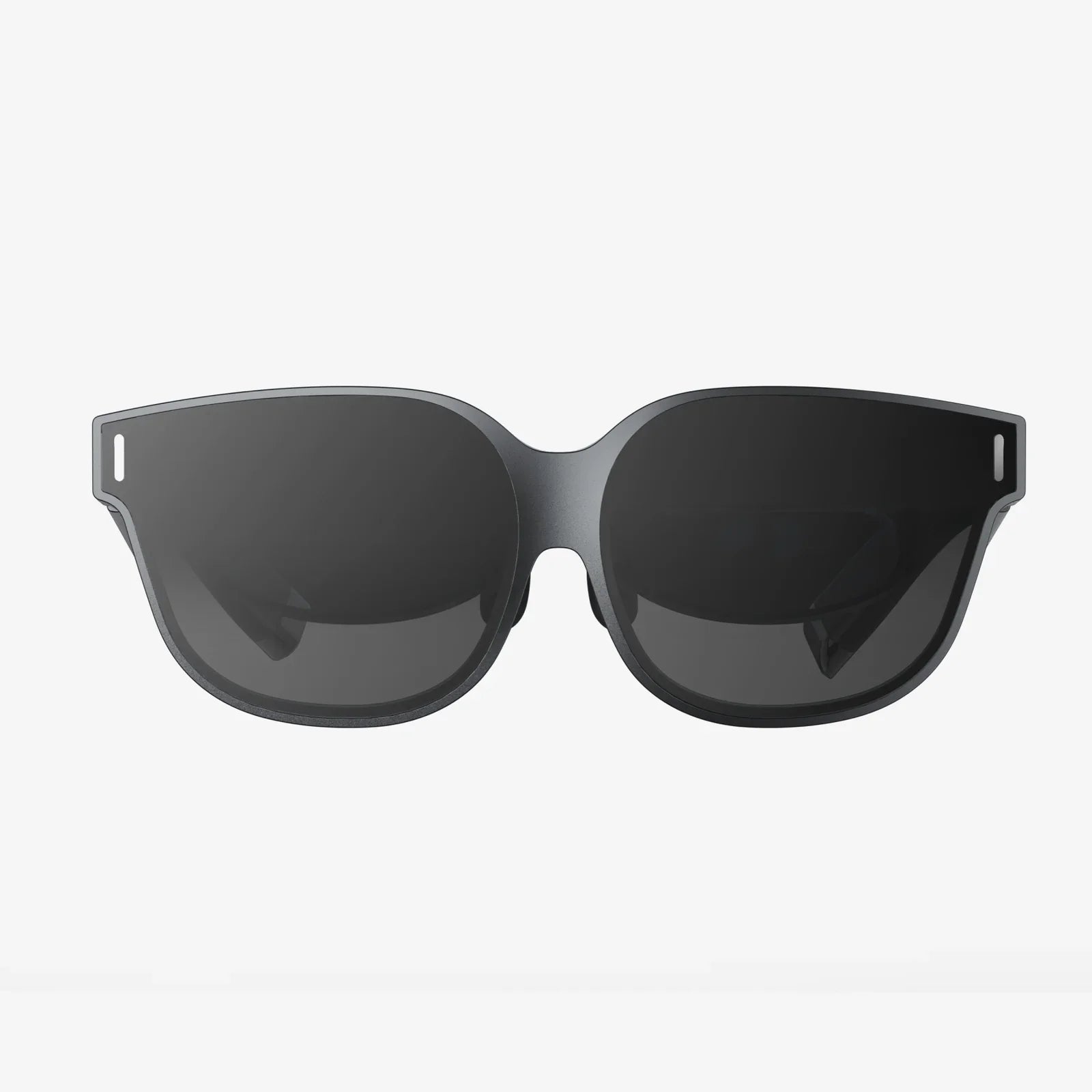
You’ve just walked out of a thrilling 3D movie, the images still dancing in your head, and you slip the 3D glasses into your pocket as a souvenir. Later, at home, you pop in a 3D Blu-ray or pull up a 3D stream on your massive TV, and a question strikes you: do these theater 3D glasses work at home? It’s a modern-day tech mystery that sits in a drawer in countless households. The answer is a tantalizing mix of yes, no, and it depends—a puzzle wrapped in polarized and active-shutter technologies. Unraveling this mystery is the key to unlocking a world of immersive home entertainment, potentially saving you money and a lot of frustration. This definitive guide will dive deep into the technology, the compatibility, and the future of 3D viewing to finally answer the question once and for all.
The Two Tribes of 3D: A Technological Divide
To understand why your cinema glasses might not work, you must first understand the two primary and incompatible technologies that power the 3D experience. They are fundamentally different in their approach to delivering a separate image to each eye.
Polarized 3D Glasses (The Cinema Standard)
This is the technology you most commonly encounter in movie theaters. The system relies on light polarization. The projector doesn't just show one image; it projects two images simultaneously, each polarized differently—typically in a circular pattern (clockwise and counterclockwise). The lenses in the glasses are correspondingly polarized. The left lens only allows light polarized in one direction to pass through to your left eye, and the right lens does the same for the other polarization. This filters the correct image to each eye, and your brain does the rest, merging the two slightly offset images into a single, three-dimensional picture.
The advantages are significant for a public venue:
- Lightweight and Passive: The glasses contain no electronics or batteries. They are cheap to manufacture, which is why many theaters give them away or include them in the ticket price.
- No Flicker: Since they work purely on light filtering, there is no flickering effect that can cause eye strain for some viewers.
- Durability: With no moving parts, they are relatively durable, even if they are often made of flimsy plastic.
Active-Shutter 3D Glasses (The Former Home Standard)
This technology was once the king of the home 3D market. Active-shutter glasses are electronic devices that require power, usually from a small battery. They work in sync with the display. The screen itself displays images in rapid succession: first the picture for the left eye, then the picture for the right eye, and so on. The glasses communicate with the screen via a wireless signal (often infrared or Bluetooth).
When the screen shows the left-eye image, the electronics in the glasses darken the right lens, blocking that eye from seeing it. In the next fraction of a second, when the right-eye image is displayed, the left lens darkens. This happens so quickly—at 120Hz or 240Hz per eye—that your brain perceives a continuous, flicker-free 3D image.
Advantages for the home included:
- Full HD Resolution: Each eye received a full 1080p image (on a 1080p display), whereas polarized systems split the vertical resolution in half.
- Compatibility with Standard TVs: Initially, this was the only way to get 3D on a standard HDTV without a specialized screen.
Disadvantages, however, led to its decline:
- Expensive Glasses: They were costly to replace.
- Battery Dependency: Nothing ruins a movie like dead glasses.
- Heavier Design: The electronics made them bulkier than their passive counterparts.
- Potential for Flicker and Crosstalk: Some viewers were sensitive to the technology, experiencing headaches or noticing ghosting effects.
The Great Compatibility Question: Will My Theater Glasses Work on My Home TV?
Now, with the technologies explained, we can address the core question directly. The answer hinges entirely on what type of 3D system your home display uses.
The Mismatch: Theater Glasses (Polarized) vs. Active-Shutter TV
If your home television is an older model designed for active-shutter 3D, then your movie theater glasses will be utterly useless. They are completely different technologies. Placing passive polarized glasses in front of an active-shutter TV will simply result in a dim, likely blurry, but entirely 2D image. The TV’s technology and the glasses' technology are speaking different languages.
The Potential Match: Theater Glasses (Polarized) vs. Polarized TV
This is where things get interesting. Many modern 3D-capable televisions and all 3D-capable computer monitors and laptops use a polarized display system. Specifically, they use a technology called film-type patterned retarder (FPR). The screen has a permanent polarizing filter baked into it. Much like a theater screen, it displays the left-eye and right-eye images simultaneously using differently polarized light.
In this case, yes, your theater glasses will work in principle. The technology is the same. However, a critical subtopic emerges: the type of polarization.
Linear vs. Circular Polarization: The Final Hurdle
Not all polarization is created equal. There are two main types:
- Linear Polarization: This is an older method where light waves are filtered to vibrate on a single plane (e.g., horizontal and vertical). The problem with linear polarization is that if you tilt your head, the alignment between the glasses and the screen filter is broken, causing the 3D effect to disappear or creating a great deal of crosstalk (ghosting).
- Circular Polarization: This is the modern standard for theaters and home displays. It filters light in a rotating pattern (left-hand and right-hand circular polarization). This means you can tilt your head to your heart's content without losing the 3D effect.
Virtually all modern cinema theaters and polarized 3D TVs use circular polarization. Therefore, if you have a circularly polarized TV and a pair of circularly polarized glasses from a theater, they should work together perfectly. The real challenge is knowing what kind of polarization your display uses. While most are circular, some very early or budget models might use linear. The head-tilt test is the easiest way to find out: if the 3D effect breaks when you tilt your head 45 degrees, the system is linear.
Identifying Your Home 3D System: A Diagnostic Guide
Before you raid your junk drawer for those cinema glasses, you need to identify what you're working with at home. Here’s how to tell the difference.
Is Your TV an Active-Shutter System?
- Check for a Syncing Signal: Look for a small infrared (IR) LED on the bezel of the TV. It will usually glow with a red light when the 3D mode is activated. This is the emitter that talks to the glasses.
- The Glasses Themselves: Did the glasses that came with your TV have an on/off switch and a charging port or battery compartment? If yes, it’s an active-shutter system.
- Model Number Research: A quick online search of your TV's model number will definitively tell you its 3D technology.
Is Your TV a Polarized (FPR) System?
- The Glasses Test: The glasses that came with the TV will be lightweight, plastic, and have no electronics whatsoever.
- The Screen Test: With a pair of polarized sunglasses (not 3D glasses), turn on the TV and activate a 3D mode. Tilt your head side to side while looking at the screen through the sunglasses. If the screen appears to dramatically darken and lighten or flicker as you tilt, the TV screen itself has a polarizing filter—it’s a polarized 3D system.
- Viewing Angle: Polarized 3D TVs can sometimes have a more limited optimal viewing angle compared to active-shutter sets.
The Practicalities and Pitfalls of Using Cinema Glasses at Home
So, you’ve determined you have a polarized 3D TV and your cinema glasses are compatible. Is it the perfect solution? Almost, but there are practical considerations.
- Comfort and Fit: Theater glasses are designed to be one-size-fits-all and disposable. They are often flimsy and may not be as comfortable for a two-hour home viewing session as a sturdier pair designed for retail sale.
- Hygiene: Let's be honest, those glasses have been on countless strangers' faces. A thorough cleaning with an alcohol wipe is a minimum requirement before you use them.
- Light Transmission: Higher-quality home 3D glasses often have better anti-reflective coatings and lens quality, potentially offering a brighter and clearer image than the basic theater pair.
- Availability: Theaters are increasingly moving to reusable, sanitized glasses that you return after the film, making it harder to amass a collection of home-use glasses.
The Future of 3D at Home: A Shifting Landscape
The conversation about 3D glasses is happening against a backdrop of change. The mainstream consumer market for 3D televisions has significantly cooled. Most major manufacturers have stopped producing new 3D TV models, focusing instead on 4K, HDR, and 8K resolution.
However, 3D is far from dead. It has found a passionate niche in the home projector market. Many modern home theater projectors still robustly support 3D, and they almost universally use the active-shutter technology, making cinema glasses incompatible. Furthermore, the rise of virtual reality (VR) headsets presents a new form of immersive 3D that requires no traditional glasses at all, instead using a screen for each eye.
For the dedicated cinephile, the best home 3D experience now often involves a 3D-capable projector and a library of 3D Blu-rays, which remain the highest-quality source for 3D content. In this setup, the question of cinema glasses is moot; you'll be investing in a set of high-quality active-shutter glasses.
Ultimately, the dream of a universal pair of 3D glasses remains just that—a dream. The industry never settled on a single standard, leading to the compatibility maze we have today. But for those with the right setup, a pair of leftover cinema glasses can be a ticket to an affordable and impressive 3D experience at home. It’s a testament to the elegant simplicity of polarized technology, a piece of the movie theater magic you can indeed bring home—if you know the secret handshake.
Imagine transforming your living room into a personal IMAX theater, not with expensive new gear, but with a pair of forgotten glasses and the knowledge of how to use them. That ticket stub in your pocket might be worth more than you thought—it could be the key to your next movie night, unlocking a depth of entertainment you already own. The truth is, the magic of 3D doesn't have to end at the theater doors; with a little technical savvy, you can keep the illusion alive, pulling images out of the screen and into your home for years to come.
Share:
Future Computer Technology 2050: The Invisible Revolution Reshaping Humanity
Intuitive Interaction Meaning: The Invisible Language Shaping Our Digital World