


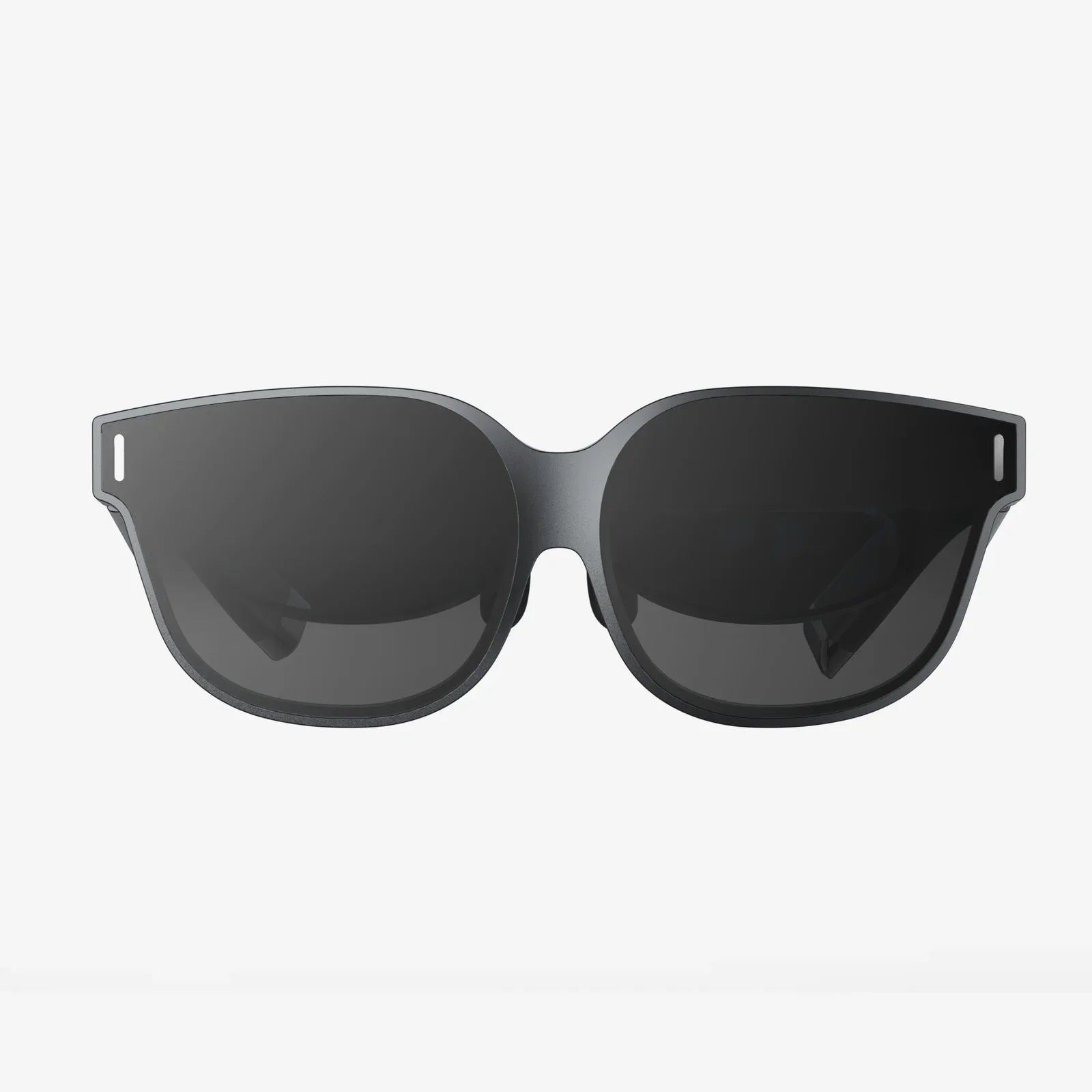
You've seen the mesmerizing ads, heard the buzz from friends, and maybe even felt the pull of a virtual world waiting to be explored. But a nagging question holds you back, a whisper of concern in the back of your mind every time you consider strapping a headset to your face: are these things going to ruin my eyesight? This isn't just a casual worry; it's a legitimate health consideration in our increasingly digital world. The fear of screen-induced eye damage is real, and VR goggles bring that screen closer than ever before. Before you dive into a virtual abyss, let's unpack the truth behind the technology and its effects on your most precious sensory organs.
The Mechanics of Sight and The VR Illusion
To understand if VR can cause damage, we must first understand how both our eyes and the technology work. Human vision is a complex process of focusing light onto the retina, which sends signals to the brain. Two key mechanisms are crucial for this discussion: accommodation and vergence.
Accommodation is the process where the eye's lens changes shape to focus on objects at different distances. Look at your finger held close to your face, then look at the horizon; you can feel the shift. Vergence is the coordinated movement of both eyes, turning inward (convergence) to focus on nearby objects and outward (divergence) for distant ones.
In the real world, these two processes are perfectly linked. If you focus on a close object, your eyes converge and your lenses accommodate. In a traditional VR headset, however, this natural link is broken—a phenomenon known as the Vergence-Accommodation Conflict (VAC). The screens are physically only centimeters from your eyes, which should trigger your eyes to accommodate for a very close object. But the lenses in the headset bend the light to make the images appear to be coming from a farther distance, often two meters or more. Your brain is tricked into making your eyes verge for that virtual distance, but your lenses must still accommodate for the fixed, close-up screen. This sensory mismatch is the core of the debate and the primary source of the eye strain many new users report.
Separating Temporary Discomfort from Permanent Damage
This is the critical distinction. The vast majority of research and expert opinion indicates that while VR can cause significant temporary discomfort, there is no conclusive evidence that it causes permanent structural damage to the eyes.
The discomfort, often grouped under the term Virtual Reality Sickness or cybersickness, shares symptoms with motion sickness: headaches, eye strain, blurred vision, nausea, and sometimes dizziness. These are typically short-lived, subsiding shortly after removing the headset. They are a result of the sensory conflict described by VAC, as well as potential latency issues between your head movements and the screen's response, which can disorient the brain.
Permanent damage, on the other hand, would involve physical harm to the eye's structures—the cornea, lens, retina, or optic nerve. For example, prolonged exposure to ultraviolet light can damage the retina. The light emitted by VR screens, however, is not intense enough to cause such thermal or photochemical damage. Reputable manufacturers implement strict brightness limits and filters to ensure the light is within safe exposure levels, similar to or even dimmer than that of a standard smartphone or computer monitor.
Vulnerable Groups: Special Considerations for Children
The conversation takes on greater urgency when it comes to children. Their visual system is still developing, a process that continues into the early teenage years. The concern is that prolonged exposure to the Vergence-Accommodation Conflict could potentially influence this development, perhaps encouraging the onset or progression of myopia (nearsightedness).
While the research is ongoing and far from definitive, most headset manufacturers err on the side of extreme caution. Many explicitly recommend their products for users aged 13 and above. This is not necessarily a statement that damage will occur, but a reflection of the precautionary principle due to the lack of long-term longitudinal studies on children and immersive technology. Parents are advised to strictly adhere to these age guidelines, heavily limit session times for older children, and encourage plenty of time spent in natural, wide-open visual environments to promote healthy eye development.
Beyond the Hype: The Real and Present Risks
While the fear of blindness may be overblown, that doesn't mean using VR is without any risks. The most common issues are those related to eye fatigue and strain, collectively known as digital eye strain or computer vision syndrome.
- Intense Visual Focus: VR experiences are highly engaging, causing users to forget to blink. A reduced blink rate leads to dry, irritated eyes as the tear film isn't replenished.
- Blue Light Exposure: While not a unique risk of VR, the screens do emit blue light, which is known to suppress melatonin and disrupt sleep patterns if used late at night. It can also contribute to digital eye strain.
- Pre-existing Conditions: Individuals with existing vision problems, such as a muscle imbalance (strabismus) or a significant difference in prescription between eyes (anisometropia), may experience more pronounced discomfort or double vision in VR.
- Physical Hazards: A significant risk is the physical world itself. Tripping over furniture, hitting walls, or swinging controllers are real dangers when immersed in a virtual space, potentially leading to injuries far more immediate than any theoretical eye damage.
Proactive Protection: Your Guide to Healthy VR Use
The key to a safe and enjoyable VR experience lies in mindful usage and proper hygiene. You can effectively mitigate nearly all the discomforts associated with VR goggles by following these expert-backed guidelines:
- The 20-20-20 Rule is Your Best Friend: This golden rule of screen time applies doubly to VR. Every 20 minutes, take off the headset and focus on an object at least 20 feet away for at least 20 seconds. This gives your eyes' focusing muscles a critical break and helps reset the vergence-accommodation system.
- Calibrate Meticulously: Never skip the setup process. Precisely set the Interpupillary Distance (IPD), the distance between your pupils. A misaligned IPD will force your eyes to work much harder to align the two images, leading to instant strain and headaches. If your headset allows for software IPD adjustment, take the time to get it perfect.
- Keep Sessions Short: Especially when starting out, limit your play or work sessions. Begin with 15-30 minutes and gradually increase as you build tolerance. Listen to your body; if you feel a headache or nausea coming on, stop immediately.
- Blink Consciously and Consider Drops: Make a conscious effort to blink fully and frequently. If you have naturally dry eyes, use lubricating eye drops before and after a VR session.
- Optimize Your Environment: Ensure your play space is well-lit (though avoiding direct light into the headset's sensors) and free of obstacles. Use a comfortable, non-slip mat under your feet to help you stay oriented in the real world.
- Get Regular Eye Exams: This is good advice for everyone, but especially for frequent VR users. A comprehensive eye exam can identify any underlying issues that VR might exacerbate and ensure you have the correct prescription if you use corrective lenses in your headset.
The Future is Clear: Evolving Technology and Eye Health
The technology is not standing still. Hardware and software developers are acutely aware of the VAC issue and are actively working on solutions. Emerging technologies like varifocal displays and light field technology aim to dynamically adjust the focal plane of the virtual image based on where you are looking, effectively replicating the natural link between vergence and accommodation. These advancements promise to make future generations of VR headsets far more comfortable for prolonged use, potentially eliminating the primary source of eye strain altogether.
Imagine a world where VR isn't just for short bursts of gaming, but for full workdays, detailed design projects, and immersive social connection—all without a hint of discomfort. This is the goal driving innovation in the field, moving towards a future where the question of eye damage becomes a relic of the past.
So, do VR goggles damage your eyes? The scientific consensus, as it stands today, offers a reassuring no—they do not cause permanent damage. The risks are largely those of temporary discomfort, which can be proactively managed with smart habits. The experience is a testament to the brain's incredible plasticity and its current struggle to reconcile ancient biology with cutting-edge technology. The real damage would be to let unfounded fear block you from experiencing the profound educational, creative, and social potential of virtual worlds. By understanding how your eyes work and respecting your body's signals, you can confidently step into the virtual realm, explore its wonders, and step back out into the real world with your vision—and your sense of awe—perfectly intact.
Share:
Augmented Reality Plate The Future of Dining and Interactive Food Experiences
Spatial Computing Business News: The Next Trillion-Dollar Interface Revolution