


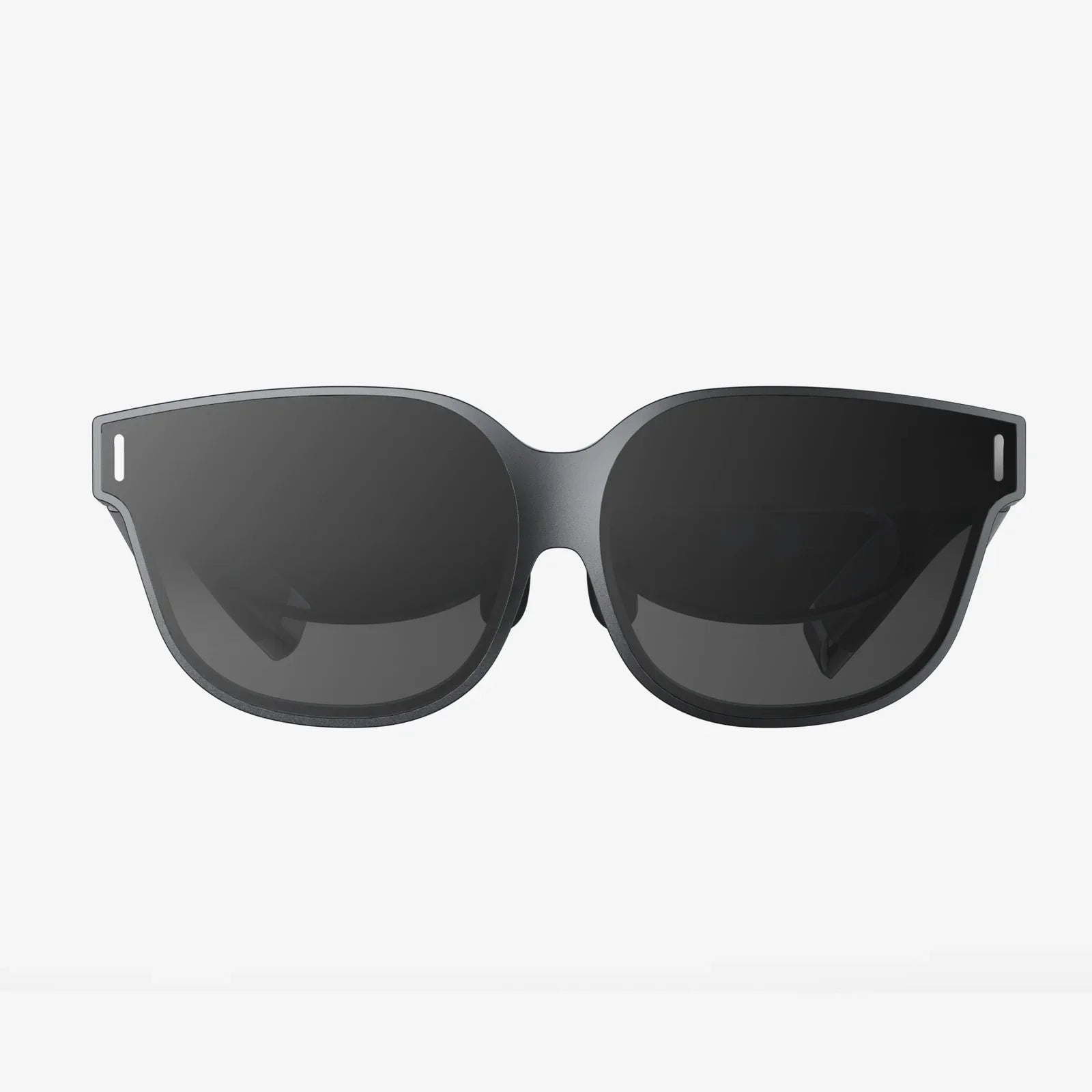
You’ve seen them on every wrist, from the morning jogger to the executive in the boardroom. You might even be wearing one right now. They promise to unlock the secrets of your health, optimize your sleep, and guide you to peak performance. But a nagging question persists, often whispered in gym locker rooms and online forums: do wearables actually work, or are we just strapping expensive, high-tech pacifiers to our bodies? The answer is far more complex and fascinating than a simple yes or no.
The Multifaceted Promise: More Than Just Step Counting
The term "wearable" encompasses a vast ecosystem of devices, from basic activity trackers to sophisticated smartwatches with electrocardiogram (ECG) capabilities. Their core functions generally fall into three categories: activity tracking, health monitoring, and wellness guidance. To evaluate their efficacy, we must dissect each promise individually.
The Quantified Self: Motivation and Behavioral Change
This is the original and most proven strength of wearable technology. The fundamental question here is not "can it count steps?" but "does counting steps make me move more?" The science of behavioral psychology provides a strong foundation for their utility. Devices leverage several key principles:
- Gamification: Turning activity into a game with goals, badges, and competitions taps into our innate desire for achievement and reward.
- Immediate Feedback: Seeing calorie burn after a workout or receiving a nudge to stand up after an hour of inactivity creates a powerful feedback loop.
- Social Accountability: Sharing progress with friends or joining challenges adds a layer of social pressure and support that can be highly motivating.
Numerous studies have shown that for previously sedentary individuals, the use of a wearable can lead to a statistically significant increase in daily step count and moderate-to-vigorous physical activity. The device acts as a constant, personal coach, bringing awareness to otherwise passive parts of the day. For many, this initial spark of motivation is the catalyst for lasting lifestyle change.
The Sleep Conundrum: Tracking vs. Improving
Sleep tracking is a flagship feature, yet it's also one of the most contentious. Most consumer devices use a combination of accelerometers (to measure movement) and heart rate sensors (to estimate sleep stages via heart rate variability) to generate a sleep score. The accuracy of this data is a subject of ongoing debate.
While these devices may not be as precise as a clinical polysomnogram (the gold standard sleep study conducted in labs), they are generally reliable at distinguishing between sleep and wakefulness and providing a rough estimate of sleep stages (light, deep, REM). The greater value, however, lies not in clinical diagnosis but in trend analysis. Over weeks and months, a wearable can reveal patterns: how late-night caffeine affects your deep sleep, how alcohol impacts your restfulness, or whether a consistent bedtime routine improves your overall score.
The critical leap is from tracking to improving. Knowing you had a poor night's sleep is one thing; knowing what to do about it is another. The most effective wearables are those that pair data with actionable insights, suggesting wind-down routines or reminding you to maintain a consistent schedule. Their true work is in making the invisible visible, empowering users to experiment and find what works for their own biology.
The Medical Frontier: From Fitness to Clinical Health
This is where the question "do they work?" carries the most weight. The integration of sensors capable of measuring blood oxygen saturation (SpO2), taking ECG readings, and detecting atrial fibrillation (AFib) has blurred the line between consumer gadget and medical device.
Heart Health and Afib Detection
The ability for a consumer device to perform an on-demand ECG that can detect signs of AFib is a monumental achievement in preventive health. AFib is a common heart arrhythmia that significantly increases the risk of stroke, but it can be intermittent and asymptomatic, making it difficult to catch in a doctor's office. Wearables offer a novel, non-invasive screening tool for millions.
Clinical studies have validated the high sensitivity and specificity of these optical sensors for identifying AFib. Countless anecdotes exist of users who received an alert, saw a physician, and received treatment for a previously undiagnosed condition, potentially averiting a catastrophic health event. In these cases, the wearable unquestionably worked. However, it is crucial to understand its role: it is a screening tool, not a diagnostic device. A positive reading requires follow-up with a healthcare professional for a definitive diagnosis and treatment plan.
The Data Dilemma: Information vs. Wisdom
A common criticism from medical professionals is the potential for "data anxiety" or the "worried well." A slight dip in nightly SpO2 or a single irregular heart rhythm reading can cause significant stress for a user who lacks the clinical context to interpret it. This can lead to unnecessary doctor visits and medical testing.
The real challenge for the wearable industry is to bridge the gap between raw data and clinically meaningful insight. The future of effective medical wearables lies not in providing more data points, but in providing smarter, context-rich analysis that can triage concerning events from normal variations, ideally in partnership with healthcare systems.
The Limitations and the Fine Print
To honestly assess if wearables work, we must also acknowledge their significant limitations and the caveats that often accompany the marketing.
- Accuracy is Relative: No optical sensor on a wrist-worn device is 100% accurate. Motion artifact, skin tone, tattoo ink, and fit can all impact readings. They are excellent for showing trends but should not be relied upon for clinical-grade precision.
- The Motivation Plateau: The novelty of a new device can wear off. Studies have noted high rates of abandonment after six months. The initial motivational boost is real, but sustaining long-term engagement is a harder problem to solve.
- Calorie Counting Conundracy: Estimates for energy expenditure (calories burned) are notoriously imprecise. They are based on algorithms that combine heart rate, movement, and user-provided data like height and weight. Relying on these numbers for precise weight management can be fraught with error.
- They Measure, They Don't Magically Fix: A wearable can tell you you're stressed, but it can't meditate for you. It can tell you you didn't sleep well, but it can't force you to put your phone away. The device is a tool; the user must supply the action.
The Verdict: It Depends on Your Definition of "Work"
So, do wearables work? The most honest answer is a qualified yes, but with important distinctions.
They work brilliantly as behavioral change catalysts and awareness engines. They make abstract concepts like activity and sleep quality tangible and manageable, providing the motivation and feedback necessary for many to kickstart a healthier lifestyle.
They work impressively as early-warning screening systems for certain cardiovascular conditions, democratizing access to health monitoring that was previously confined to a clinic.
They do not work as infallible medical diagnostic tools. Their data requires professional interpretation and should be integrated into a broader healthcare conversation.
They do not work as magic bullets. They cannot replace discipline, intrinsic motivation, or professional medical advice. Their value is not inherent; it is derived from how the user engages with the information they provide.
The ultimate effectiveness of a wearable is not determined by its sensor array or its algorithm, but by the person wearing it. The most sophisticated device in the world is useless if it ends up in a drawer. The simplest tracker can be life-changing if its user embraces the data and takes consistent, informed action. The real work was inside you all along; the wearable just gave you the language to understand it.
Perhaps the most profound way wearables work is by shifting the paradigm of health from a reactive to a proactive model. They put a dashboard on your biology, inviting you from the passenger seat into the driver's seat of your own well-being. While the numbers on the screen may not be perfect, the conversation they start—with yourself and your doctor—is where their true, transformative power lies. The data is a starting point, a clue in the ongoing mystery of your health, and for millions, that is more than enough to justify the watch on their wrist.
Share:
Intelligent Personal Mobility Devices Are Redefining Urban Transportation and Personal Freedom
How Is AI Used Today: The Invisible Force Reshaping Our World