


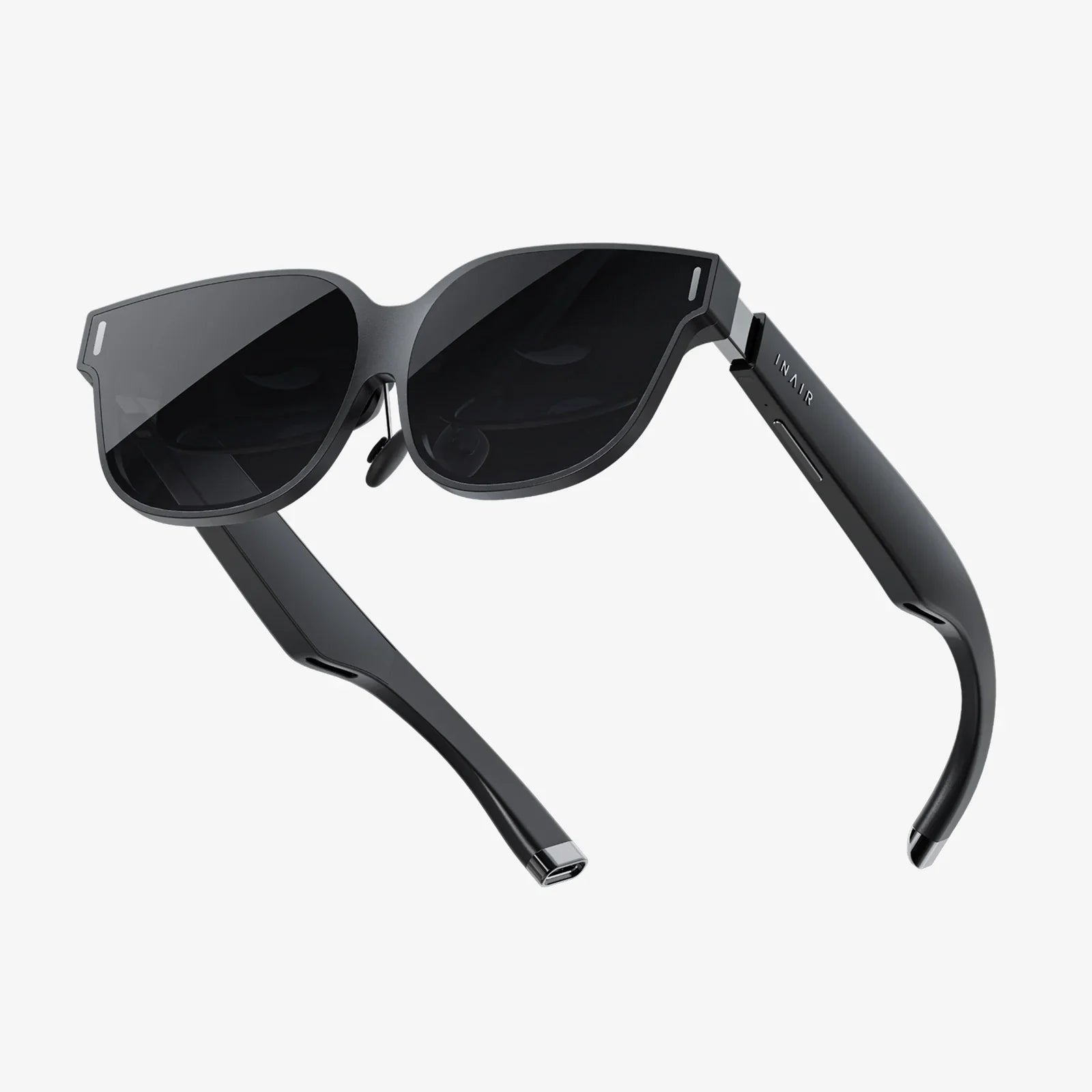
- by wangfred
do you have to wear glasses that are 1.5 all the time?
- by wangfred
do you have to wear glasses that are 1.5 all the time, or could you be wearing them more than you actually need? Many people slip on a pair of 1.5 glasses and quietly worry: “If I don’t wear these constantly, will my eyes get worse?” or “If I do wear them constantly, will my eyes become dependent?” This uncertainty keeps a lot of people stuck between eye strain and fear of damaging their vision. This guide clears up the confusion so you can wear your glasses confidently, without guessing or stressing.
Before deciding how often to wear 1.5 glasses, you need to understand what that number represents. The 1.5 refers to the lens power, measured in diopters, which indicates how strongly the lenses bend light to help your eyes focus.
Most commonly, 1.5 appears in one of two ways:
Sometimes people only see the number “1.5” on a sticker or label without a plus or minus sign and assume it’s all the same. In reality, +1.5 and -1.5 solve very different problems:
So when you ask, “do you have to wear glasses that are 1.5 all the time?” the real answer depends heavily on whether that 1.5 is positive or negative and what tasks you’re doing during the day.
Your eyes work like a camera, using a clear structure called the lens to focus light onto the retina at the back of the eye. Muscles around the lens change its shape so you can switch focus from far to near and back again.
When your natural focusing system doesn’t match your visual demands, you experience:
Glasses with a 1.5 prescription add or subtract focusing power so your eyes don’t have to work as hard. Whether that means you must wear them all day, only some of the time, or just for specific tasks depends on what problem they are correcting.
There are many situations where 1.5 glasses are helpful but not required every waking moment. These are typically low to moderate prescriptions and specific visual demands.
People who use +1.5 reading glasses often notice that:
In this situation, you generally do not have to wear +1.5 glasses all the time. They are usually intended for:
When you look far away, you can usually take these glasses off. Wearing +1.5 lenses for distance when you don’t need them may actually make distant objects look blurrier and more uncomfortable.
If your glasses are -1.5, they are likely designed to help with distance vision. With a mild prescription like -1.5, many people can still function reasonably well without glasses in some situations. You might notice that:
In these cases, you might only need to wear your -1.5 glasses for specific tasks such as:
Some people with -1.5 prescriptions choose to wear their glasses all day because they enjoy the sharper clarity and reduced strain. Others prefer to use them only when they feel blur becomes a problem. Both approaches can be acceptable, as long as you are safe and comfortable.
While many people can treat 1.5 glasses as part-time helpers, others benefit from wearing them most of the day. This depends on how your eyes feel and how much blur you experience without them.
If you notice that your eyes feel tired, achy, or strained whenever you go without your 1.5 glasses, that’s a sign you may need them more regularly. Common clues include:
In this situation, wearing your glasses more often can actually reduce discomfort and help you function better throughout the day.
Regardless of whether your lenses are +1.5 or -1.5, if your vision without them compromises safety, they should be worn consistently for those activities. This might include:
In such cases, the question “do you have to wear glasses that are 1.5 all the time?” becomes less about comfort and more about responsibility and safety.
A very common fear is that wearing glasses constantly will cause “dependence” or weaken the eyes, forcing you into stronger prescriptions over time. This belief is deeply rooted, but it is not supported by how vision actually works.
Glasses do not change the physical shape of your eyes in a way that makes them lazier or weaker. Instead, they simply focus light properly so that your eyes can see clearly with less effort. When your vision improves with glasses, it may feel like your natural vision is worse once you take them off, but what you are really noticing is the contrast between corrected and uncorrected vision.
Key points to understand:
You are not harming your eyes by wearing a correct 1.5 prescription, whether full-time or part-time. The real risk lies in wearing the wrong prescription or avoiding necessary correction in situations where clear vision is important.
The opposite concern is also common: people worry that if they don’t wear their glasses all the time, their prescription will get stronger or their eyes will deteriorate faster. For most adults, this is also not how vision works.
In general:
If your prescription is 1.5 and you choose to go without glasses in low-demand situations (for example, relaxing at home or walking short distances), you are unlikely to damage your eyes. But if you regularly push your eyes to work harder than they should, you may experience more discomfort and fatigue than necessary.
Because every person’s visual needs are different, there is no single rule that fits everyone. Instead, you can ask yourself a few practical questions:
Take a moment to notice your vision with and without your 1.5 glasses:
If the world looks only slightly softer without glasses and you are comfortable, you might treat them as part-time tools. If everything looks significantly blurred and you feel unsafe or strained, more regular wear is wise.
Headaches, especially around the eyes or forehead, are a strong sign that your visual system is working overtime. If you notice that these symptoms appear on days when you avoid your glasses, that’s your body telling you that you are making your eyes work too hard.
In that case, wearing your 1.5 glasses more consistently will likely improve your comfort and productivity.
Consider how you spend most of your day:
Matching your glasses use to your actual visual demands is often more sensible than simply choosing “always” or “never.”
Prescriptions are often written with usage instructions such as “for reading only” or “for distance use.” If your 1.5 glasses were recommended for specific tasks, that is a strong indication that you do not have to wear them all the time.
If you are unsure, a follow-up conversation can clarify whether your prescription is meant for full-time or part-time use, and why.
Even a simple 1.5 prescription can cause issues if it is used in the wrong way or if it is not quite right for you. Watch for these warning signs:
If any of these occur, it may be that:
In such cases, adjusting how and when you wear your glasses, or having your prescription rechecked, can make a significant difference.
Once you understand your prescription and your visual needs, you can build habits that make glasses a helpful tool rather than an annoyance.
Instead of thinking in terms of “always” or “never,” focus on situations where glasses clearly help:
Regardless of how often you wear glasses, your eyes benefit from healthy habits:
Good habits can reduce the feeling that your eyes are constantly under pressure, with or without glasses.
Even if your 1.5 glasses feel fine now, your eyes can change over time. Regular eye exams help ensure that:
If you notice increased blur, more frequent headaches, or difficulty with tasks that used to feel easy, that is a signal to have your eyes checked again.
Misunderstandings about glasses are everywhere. Clearing them up can make your decision about wearing 1.5 lenses much easier.
Many people believe that once they put on glasses, their eyes begin a downward spiral. In reality, changes in prescription are usually driven by natural processes like growth, aging, or underlying eye conditions. Glasses simply help you see clearly while those processes occur.
Wearing a correct 1.5 prescription does not cause your eyes to deteriorate. It only exposes the blur that is already there when you remove them.
This idea treats the eyes like muscles that get stronger with strain. While your eye muscles do work to focus, the main causes of refractive error are structural, such as the length of the eyeball or the shape of the cornea, which you cannot “exercise” into a new shape by squinting or enduring blur.
Pushing yourself to function without needed correction usually leads to more discomfort, not improved vision. If your eyes feel better and your performance improves with 1.5 glasses, there is no benefit in deliberately suffering without them.
Two people can have the same 1.5 prescription on paper and completely different experiences in real life. One might be comfortable only using glasses for reading, while the other feels much better wearing them from morning to night.
Individual differences in visual demands, sensitivity to blur, and eye coordination mean that your best routine may not match anyone else’s. It makes more sense to listen to your own eyes and professional advice than to copy another person’s habits.
Although you can make many decisions based on comfort and common sense, there are times when expert input is essential. Consider scheduling an eye exam if:
During an exam, you can also ask very direct questions such as:
Clear answers based on your specific eyes can remove the guesswork and anxiety that often surround glasses use.
When you step back from the myths and worries, the core question behind “do you have to wear glasses that are 1.5 all the time?” becomes much simpler: what combination of clarity, comfort, and safety works best for your life?
For many people, that means:
You do not need to let fear of “ruining” your eyes dictate your choices. Instead, you can treat your 1.5 glasses as what they are meant to be: tools that help you see more clearly and live more comfortably. When you understand what that 1.5 means, how your eyes feel with and without correction, and which situations truly demand clear vision, you can move from confusion to confidence every time you reach for your glasses case.