


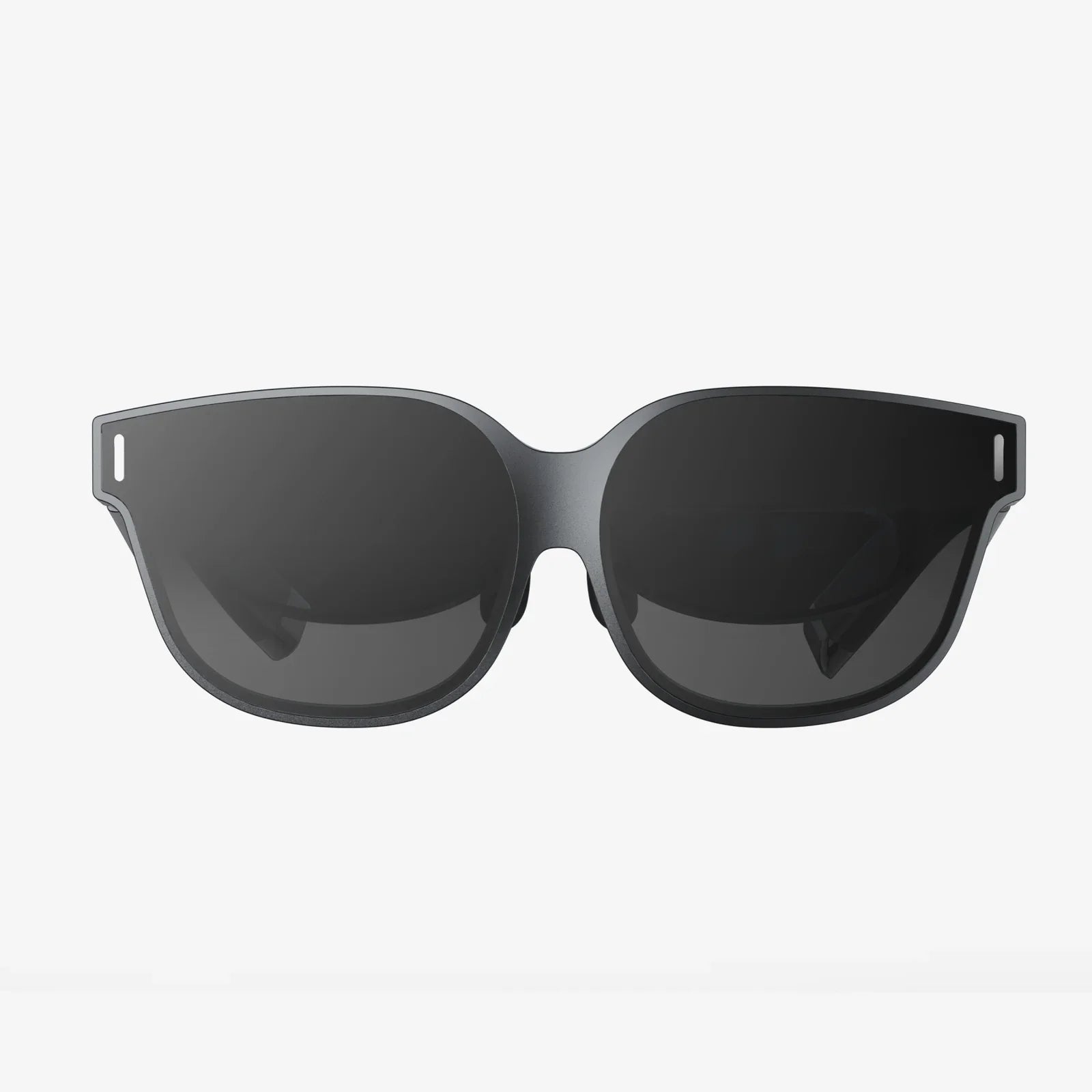
- by wangfred
Do You Wear Glasses With VR Headset? The Ultimate Guide to Visual Clarity
- by wangfred
Stepping into a virtual world is an experience like no other, a portal to unimaginable landscapes and thrilling adventures. But for the billions of people worldwide who rely on corrective lenses, that first step is often met with a practical and frustrating question: what about my glasses? The specter of scratched lenses, a cramped fit, and general discomfort can loom large, threatening to break the immersion before it even begins. If you’ve ever wondered about the best way to merge your real-world vision needs with cutting-edge virtual technology, you are not alone. This is the definitive guide to navigating the intersection of eyewear and VR, ensuring your journey into the metaverse is crystal clear and perfectly comfortable.
At its core, the conflict between VR headsets and eyeglasses is a simple matter of physics and real estate. A VR headset functions by placing a set of complex optical lenses very close to your eyes. These lenses focus your vision onto the internal screens, creating the stereoscopic 3D effect that is the foundation of virtual reality. Glasses add another layer of optics and, more importantly, take up crucial space in the headset's eye box—the designated area between the headset's lenses and your face.
This proximity creates several potential issues:
For many, the most straightforward solution is to simply wear their everyday glasses inside the headset. This requires no extra purchases or modifications, but its success is highly dependent on two factors: the size of your glasses and the design of the headset.
Modern headset design has increasingly acknowledged that a huge portion of their user base wears glasses. Consequently, many newer models include features specifically designed to accommodate them:
If you choose this route, extreme caution is advised. Always use the provided spacer. Be deliberate and slow when putting the headset on and taking it off. Slide it over your head rather than pulling it straight on. Periodically check both your glasses and the headset lenses for any signs of scratching.
A revolutionary feature for glasses-wearers is the integration of built-in diopter adjustment wheels on some high-end headsets. This elegant solution effectively moves the need for external glasses inside the headset itself.
Located just below the headset's lenses, these dials allow you to individually adjust the optical focus for each eye. You can dial in the precise correction you need, much like tuning a pair of binoculars. For users with common near-sightedness (myopia), this can completely eliminate the need to wear glasses inside the headset.
Limitations to Consider:
Widely considered the gold-standard solution for VR users who wear glasses, custom prescription lens inserts are aftermarket accessories that are a game-changer for comfort and visual fidelity.
These are custom-made magnetic lenses, crafted precisely to your eyeglass prescription, that clip or magnetically attach directly over the headset's built-in lenses. Think of them as high-tech, perfectly fitted protectors that also give you 20/20 vision in the virtual world.
The Unmatched Benefits:
The process is simple: you select your headset model from a manufacturer's website, enter your prescription (sphere, cylinder, axis, and pupillary distance), and they produce and ship the lenses to you. While this represents an additional investment on top of the headset itself, for dedicated users, it is often considered an essential upgrade for its profound improvement to the overall experience.
For those who already wear them or are open to the idea, contact lenses provide a seamless and highly effective way to experience VR. By correcting your vision directly on your eye, they completely bypass the spatial conflict between glasses and the headset.
You experience the headset exactly as a person with perfect vision would, with the full intended field of view, perfect comfort, and no risk of damaging either your glasses or the headset. However, this option is not for everyone. Some people find contacts uncomfortable or cannot wear them due to dry eyes or other medical reasons. There's also the ongoing cost and maintenance routine to consider.
The best choice depends on your individual circumstances, frequency of use, and budget.
Your first step should always be to consult your headset's manual or support site to understand its specific glasses-compatibility features, such as the inclusion of a spacer or the depth of its eye relief adjustment.
Addressing your prescription is the primary hurdle, but other factors contribute to visual comfort in VR.
Pupillary Distance (PD): This is the distance between the centers of your pupils, measured in millimeters. Most high-quality headsets have a mechanical or software IPD (Interpupillary Distance) adjustment. Correctly setting this to match your PD is critical for achieving a clear, comfortable, and non-eye-straining image. It ensures the 3D effect is properly aligned with your eyes. If your headset has a physical IPD adjustment, use it. If it uses a software solution, enter your measured PD accurately in the settings.
Managing Eye Strain: Even with perfect vision correction, VR can be intense for the eyes. It's advisable to take regular breaks using the 20-20-20 rule: every 20 minutes, look at something 20 feet away for at least 20 seconds. This gives your ocular muscles a chance to relax. Also, ensure your headset is properly calibrated and that the headset is sitting correctly on your head to avoid blur.
The world of virtual reality is meant to be boundless, a escape limited only by imagination, not by the practicalities of eyesight. For too long, the simple act of wearing glasses felt like a barrier to that promise. But today, thanks to a wave of innovative solutions from adjustable hardware to custom-made inserts, that barrier has been utterly demolished. Whether you're a casual explorer or a dedicated adventurer, the path to a perfectly clear, comfortable, and immersive experience is now wide open, waiting for you to take that first, flawless step inside.
Share:
AR VR Headset Could Like: The Future of Human Connection and Experience
What Are the Disadvantages of Augmented Reality: Navigating the Hidden Costs of a Digital Overlay