


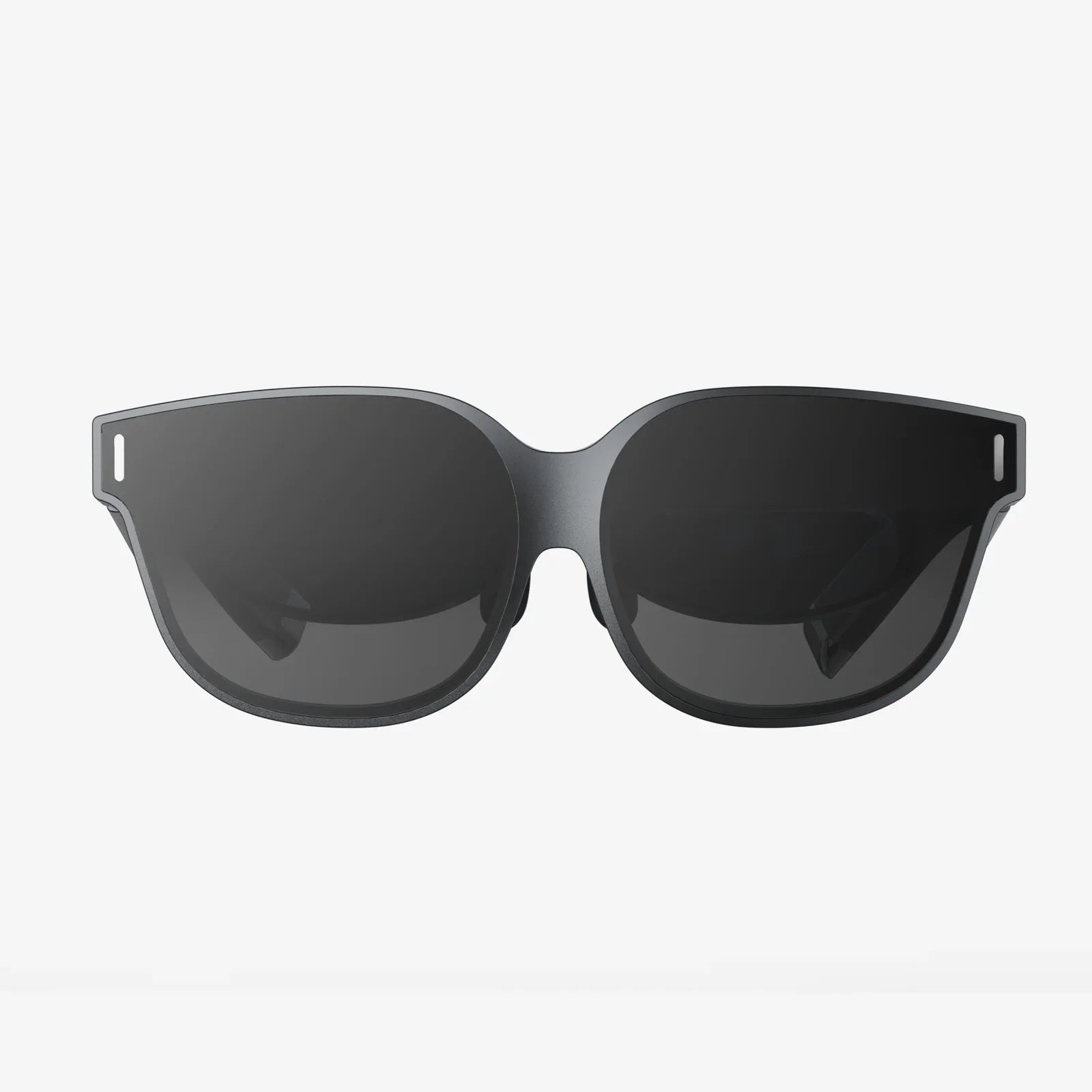
You invested in a premium pair of glasses with that crystal-clear anti-reflective coating, promising a life free of glare and distracting reflections. For the first few days, it was perfect—a window to the world. But then, you noticed it. The fingerprints. The oily smudges that seem to appear from nowhere, more persistent and noticeable than ever before. You can't help but ask the question echoing in the minds of countless eyeglass wearers: does AR coating on glasses smudge more? The answer is a fascinating dive into materials science, surface tension, and the daily battle against the oils on our own skin. If you're constantly reaching for your microfiber cloth, prepare to uncover the real story behind your smudgy lenses and, more importantly, how to win the fight for a clean view.
The Science of Sight: What Exactly Is AR Coating?
Before we can tackle the smudging dilemma, it's crucial to understand what we're dealing with. Anti-reflective coating, also known as anti-glare coating, is a microscopic, multi-layered film applied to the surface of ophthalmic lenses. Its primary purpose is not to prevent smudges but to manage light.
Think of a bare lens as a tiny window. When light hits it, a significant percentage (around 8-10% per surface) is reflected away. This creates glare, which is not only distracting for the wearer—causing eye strain and fatigue—but also obscures your eyes from others. AR coating works through a process called destructive interference. The multiple layers are engineered to be precisely a quarter of the wavelength of light thick. When light waves hit the coating, the reflections from the top and bottom of these layers are forced out of phase with each other. They cancel each other out, dramatically reducing the amount of reflected light.
- Increased Light Transmission: By minimizing reflection, more light passes through the lens, providing sharper, clearer vision with less effort from your eyes.
- Reduced Eye Strain: Eliminating glare from screens and artificial lights is a major benefit for the digital age.
- Aesthetic Improvement: It allows others to see your eyes clearly, removing the "white wall" effect often seen in photographs.
However, this engineering marvel comes with a physical property that is central to our smudging question: the coating is exceptionally smooth. This ultra-smooth surface is what reduces light scattering but also creates a perfect canvas for oils to spread into thin, coherent, and highly visible films.
The Smudge Conundrum: Perception vs. Reality
So, do AR-coated lenses actually attract more oil and dirt than uncoated lenses? The short answer is no. They do not possess a magnetic property that actively draws more contaminants from the environment. The oils from your skin, eyelashes, and environment are the same for everyone. The critical difference lies in visibility and behavior.
Why Smudges Appear Worse on AR-Coated Lenses
- The Contrast Effect: An uncoated lens has a naturally higher surface reflection. This inherent "haze" of reflected light acts as a background noise that can camouflage light smudges and fingerprints. An AR-coated lens, by its very design, eliminates this background glare. This creates a stark, high-contrast situation where any imperfection—a tiny smudge, a dust particle, a fingerprint—is presented in sharp relief against the brilliantly clear lens. It's not that there are more smudges; it's that you can see every single one with utter clarity.
- The Physics of Spread: The ultra-smooth, low-friction surface of a high-quality AR coating has low surface energy. This causes oils and water to behave differently. Instead of beading up (as water does on a waxed car), these contaminants tend to spread out into a thin, even layer. A single fingerprint on an uncoated lens might stay as a defined print. On an AR-coated lens, that same fingerprint can easily be smeared into a large, hazy patch that obstructs vision across a wider area.
- Hydrophobic and Oleophobic Top Layers: Modern premium AR coatings almost always include a final, protective top layer that is both hydrophobic (water-repelling) and oleophobic (oil-repelling). This layer is designed to make cleaning easier. However, as this top layer wears down over time (from cleaning, handling, and general use), its effectiveness diminishes. When compromised, the underlying layers can be more susceptible to holding onto oils, creating a cycle where smudges become harder to clean and seem more persistent.
Beyond the Coating: Other Factors That Influence Smudging
Blaming the AR coating alone is an oversimplification. Several other factors play a significant role in how smudgy your glasses get.
- Lens Material: High-index lenses, which are thinner and lighter, are softer than traditional CR-39 plastic. This softer surface can be more prone to fine scratches, which can trap oils and make smudges more difficult to wipe away completely.
- Skin Type: Individuals with oilier skin or those who use certain moisturizers, sunscreens, or makeup will naturally transfer more oil to their glasses throughout the day. This is a source issue, not a lens issue.
- Habits: How do you handle your glasses? Do you push them up on your forehead? Do you clean them with your shirt tail? These habits are primary vectors for transferring oils and dirt onto the lenses.
- Environmental Factors: Working in a kitchen, workshop, or any environment with airborne oils and particulates will naturally lead to faster lens contamination.
The Arsenal of Defense: How to Keep AR-Coated Lenses Pristine
Knowing why AR-coated lenses smudge so visibly is only half the battle. The other half is adopting a proper care regimen. With the right techniques, you can maintain that crystal-clear view with minimal frustration.
1. The Right Way to Clean
This is the single most important step. Abandon your shirt, paper towels, and tissues immediately. These materials are abrasive and will slowly but surely scratch the delicate coating and lens material, making future smudges even harder to remove.
- Rinse First: Always rinse your lenses under a gentle stream of lukewarm water first. This dislodges dust and grit that can act as sandpaper during the wiping process.
- Use a Proper Cleaner: Use a cleaning spray specifically formulated for coated eyeglass lenses. These are pH-balanced and free of harsh chemicals like ammonia or alcohol, which can degrade AR coatings over time. Dish soap is a commonly cited alternative, but it can leave a faint film; lens-specific cleaners are best.
- Microfiber is King: Dry and polish your lenses using a clean, high-quality microfiber cloth. These cloths are designed to trap oils and dust without scratching. Wash them regularly (alone, without fabric softener) to prevent them from becoming grinding pads full of old debris.
2. Preventative Maintenance
- Handling: Make a habit of handling your glasses by the frames, specifically the arms (temples). Avoid touching the lenses altogether.
- Storage: When not on your face, always store your glasses in a hard, protective case. This prevents them from getting crushed and keeps dust off the lenses.
- Regular Check-ups: During your annual eye exam, ask the optician to give your glasses an ultrasonic clean. This deep cleaning can remove oils embedded in tiny scratches that a cloth can't reach.
3. When to Consider Recoating or Replacement
All AR coatings have a finite lifespan. If your glasses are several years old and the smudging has become unmanageable—if oils seem to soak in instantly and won't clean off—it may be a sign that the top oleophobic layer has worn away completely. In some cases, lenses can be professionally recoated. Often, however, this is a sign that it might be time for a new pair, especially if your prescription has changed.
The Future is Clear: Advancements in Coating Technology
The industry is acutely aware of the smudging perception issue, and continuous research is yielding impressive results. Next-generation AR coatings are being developed with even more durable top layers. Some incorporate nanotechnology to create a surface structure that is inherently resistant to oils. Others are exploring permanently bonded hydrophobic layers that resist wear far better than current options. The goal is a lens that maintains its anti-reflective properties while behaving like a non-stick pan for oils and fingerprints. While no coating will ever be 100% smudge-proof, the future is certainly looking less smudgy.
The notion that your glasses are betraying you by attracting more grime is an illusion, a trick of the light made possible by their very effectiveness. That frustrating smudge isn't a design flaw; it's a side effect of optical excellence. By understanding the science behind the shine and adopting a military-level cleaning discipline, you can reclaim the pristine vision you paid for. The clarity is worth the effort—a few careful wipes with the right cloth is a small price to pay for a world with less glare, less strain, and a perfectly clear view.
Share:
Immersive 3D Android: Redefining Reality Through Your Screen
Profound AI Tool: Reshaping Industries and Redefining Human Potential