


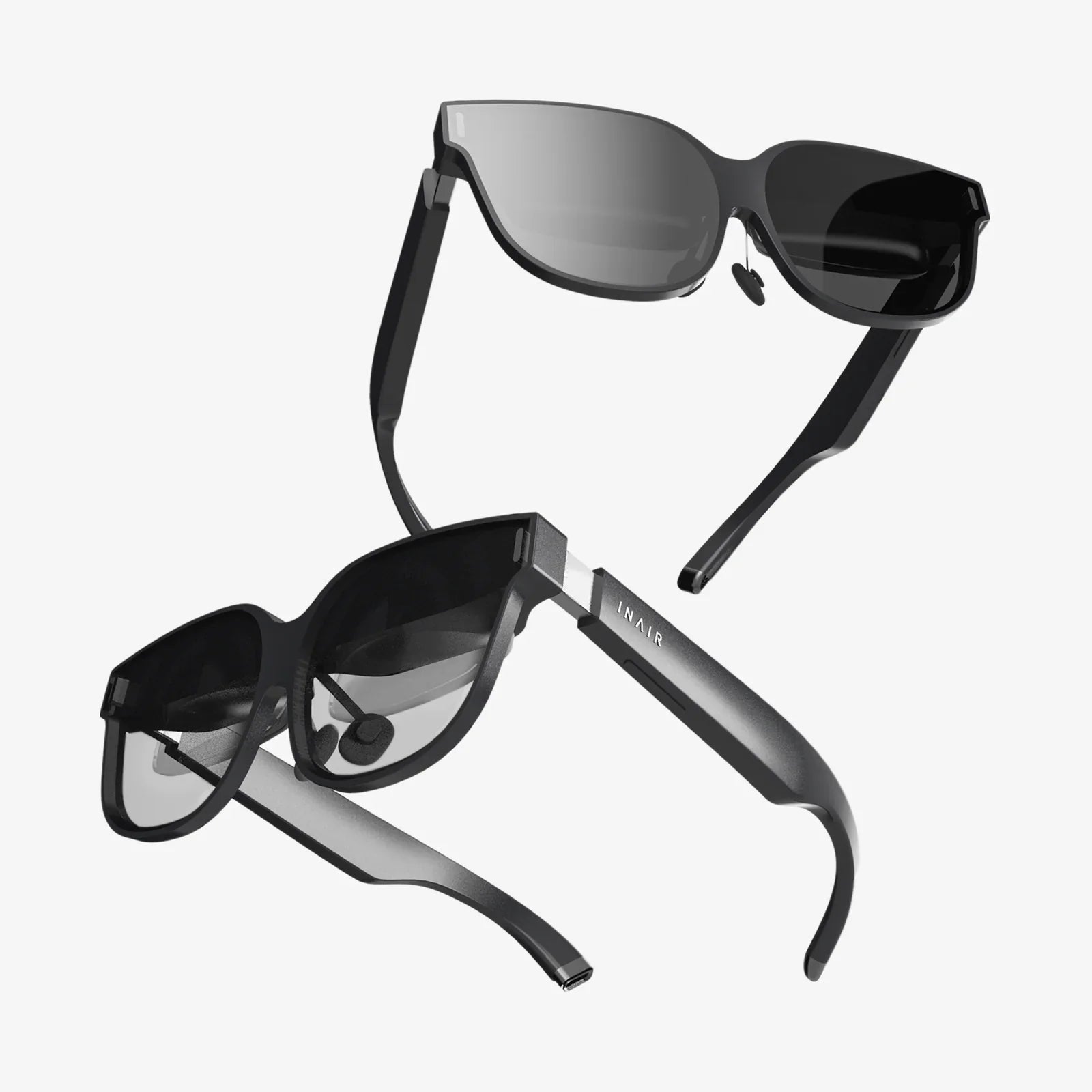
- by wangfred
Immersive 3D Android: Redefining Reality Through Your Screen
- by wangfred
The world in your pocket is no longer flat. It pulses with depth, reacts to your gaze, and invites you to step inside, blurring the line between the digital and the physical with a sophistication once confined to science fiction. This is the promise and the present reality of immersive 3D on the Android platform, a technological symphony that is fundamentally reshaping how we interact with information, entertainment, and each other.
Creating a believable, immersive 3D experience on a mobile device is a monumental feat of engineering. It requires a harmonious convergence of several critical technologies, each pushing the boundaries of what's possible.
At the heart of the experience lies the display. Modern high-refresh-rate OLED and AMOLED screens are the canvas. Their ability to produce perfect blacks, incredibly vibrant colors, and lightning-fast pixel response times is essential for creating a convincing sense of depth and preventing motion blur during fast-paced virtual movement. Furthermore, advancements in pixel density ensure that the dreaded "screen door effect"—where users can perceive the gaps between pixels—is a thing of the past, allowing for a seamless and continuous visual field.
Rendering complex 3D environments in real-time demands immense computational power. This is where the latest generations of mobile systems-on-a-chip (SoCs) come into play. These processors integrate incredibly powerful graphics processing units (GPUs) based on architectures that rival their desktop counterparts. They handle the complex mathematics of transforming 3D models, applying detailed textures, calculating dynamic lighting and shadows, and maintaining a consistently high frame rate—absolutely critical for preventing simulation sickness and preserving immersion.
Visuals are only one part of the puzzle. True immersion engages multiple senses. High-fidelity spatial audio, delivered through headphones or advanced speaker systems, places sounds all around the user, making a creak feel like it comes from the floorboard behind them. Sophisticated haptic feedback engines move beyond simple vibrations to provide nuanced tactile sensations—the subtle texture of a virtual stone, the recoil of a virtual tool, or the impact of a virtual raindrop. This tactile layer is crucial for grounding the user in the experience.
Finally, a suite of sensors makes the world responsive. The gyroscope, accelerometer, and magnetometer work in concert to track the precise orientation and movement of the device. For head-mounted experiences, inside-out tracking using advanced cameras and algorithms maps the physical room and tracks the user's head and, increasingly, their hands within it, allowing for natural movement and interaction within the virtual space.
While high-end gaming is the most prominent and visceral application, the potential of immersive 3D Android extends far beyond entertainment, seeping into the very fabric of professional and daily life.
Imagine a medical student performing a complex surgical procedure, not on a cadaver, but on a hyper-realistic, interactive 3D model of the human heart. They can rotate it, zoom into layers of tissue, and simulate complications without any risk. This is the power of immersive learning. Engineering students can dismantle and reassemble virtual engines. History students can walk through ancient Rome. The abstract becomes concrete, and complex spatial concepts become intuitively understandable, leading to dramatically improved knowledge retention and engagement.
Architects and interior designers are using these technologies to step inside their creations long before the first brick is laid. Clients can take a virtual walkthrough of their future home, experiencing the scale of a room, the flow of light at different times of day, and the aesthetic impact of different materials and finishes. This eliminates costly misunderstandings and allows for iterative design changes in a virtual, zero-cost environment. Product designers can hold and examine full-scale 3D prototypes, assessing ergonomics and form in a way a 2D screen could never allow.
The concept of the "metaverse" is deeply tied to immersive 3D. Platforms are emerging that allow colleagues from across the globe to meet in a shared virtual boardroom, interact with 3D data models together, and brainstorm on virtual whiteboards as if they were in the same physical space. This new paradigm for remote work fosters a sense of presence and collaboration that video calls cannot match. Similarly, social spaces allow people to connect, attend virtual concerts, or simply hang out in embodied forms, offering a new, more profound dimension to digital interaction.
Technology is meaningless without thoughtful design. Crafting experiences for immersive 3D requires a new rulebook and a deep understanding of human perception.
The traditional tap-and-swipe lexicon is insufficient. Designers are pioneering new intuitive methods: gaze-based selection, gesture controls that mimic real-world actions, and voice commands. The challenge is to make these interactions feel natural and effortless, minimizing the cognitive load on the user so they can focus on the experience itself, not the controls. Menus and information must be integrated into the 3D environment seamlessly, avoiding the immersion-breaking appearance of flat, floating panels.
A significant hurdle is ensuring user comfort. Simulation sickness, caused by a disconnect between visual motion and the inner ear's sense of movement, is a primary concern. Developers employ techniques like motion blur reduction, stable frame rates, and comfort modes (e.g., reducing field of view during movement) to mitigate this. Furthermore, accessibility is paramount. Experiences must be designed for users with different physical abilities, offering alternative control schemes and customizable settings to ensure this transformative technology is inclusive.
As with any powerful technology, the rise of immersive 3D brings with it a set of challenges that society must thoughtfully address.
These devices and applications have an unprecedented ability to collect data. They can track precise head and hand movements, gaze direction, and even map the user's physical environment. This data is incredibly valuable for improving experiences but also deeply personal. Robust frameworks for data ownership, transparency, and user consent are not just advisable; they are essential for building trust and preventing misuse.
As experiences become more compelling, questions about prolonged use and its effects on psychology and social behavior arise. Will we see increased escapism? How will our perception of reality be altered by regularly engaging with perfect virtual worlds? Establishing healthy usage patterns and fostering digital literacy will be crucial in navigating this new relationship with technology.
The current state of immersive 3D on Android is impressive, but it is merely the foundation. The future points toward even greater integration and realism. The development of more efficient micro-displays will lead to smaller, lighter, and more powerful wearable devices. Advances in artificial intelligence will power smarter, more responsive virtual environments and non-player characters. The ultimate goal—true photorealistic augmented reality that seamlessly blends digital objects into our real world—is steadily moving from fantasy to inevitable reality.
The barrier between you and a world of infinite possibility is thinner than ever. That sleek device in your hand is no longer just a communication tool or a media player; it is a looking glass, a portal waiting to be opened. The question is no longer if this technology will change everything, but how quickly you will choose to reach out, put it on, and step through to the other side.
Share:
Outdoor Glass Art: Transforming Gardens and Public Spaces with Light and Reflection
Does AR Coating on Glasses Smudge More? The Surprising Truth About Your Lenses