


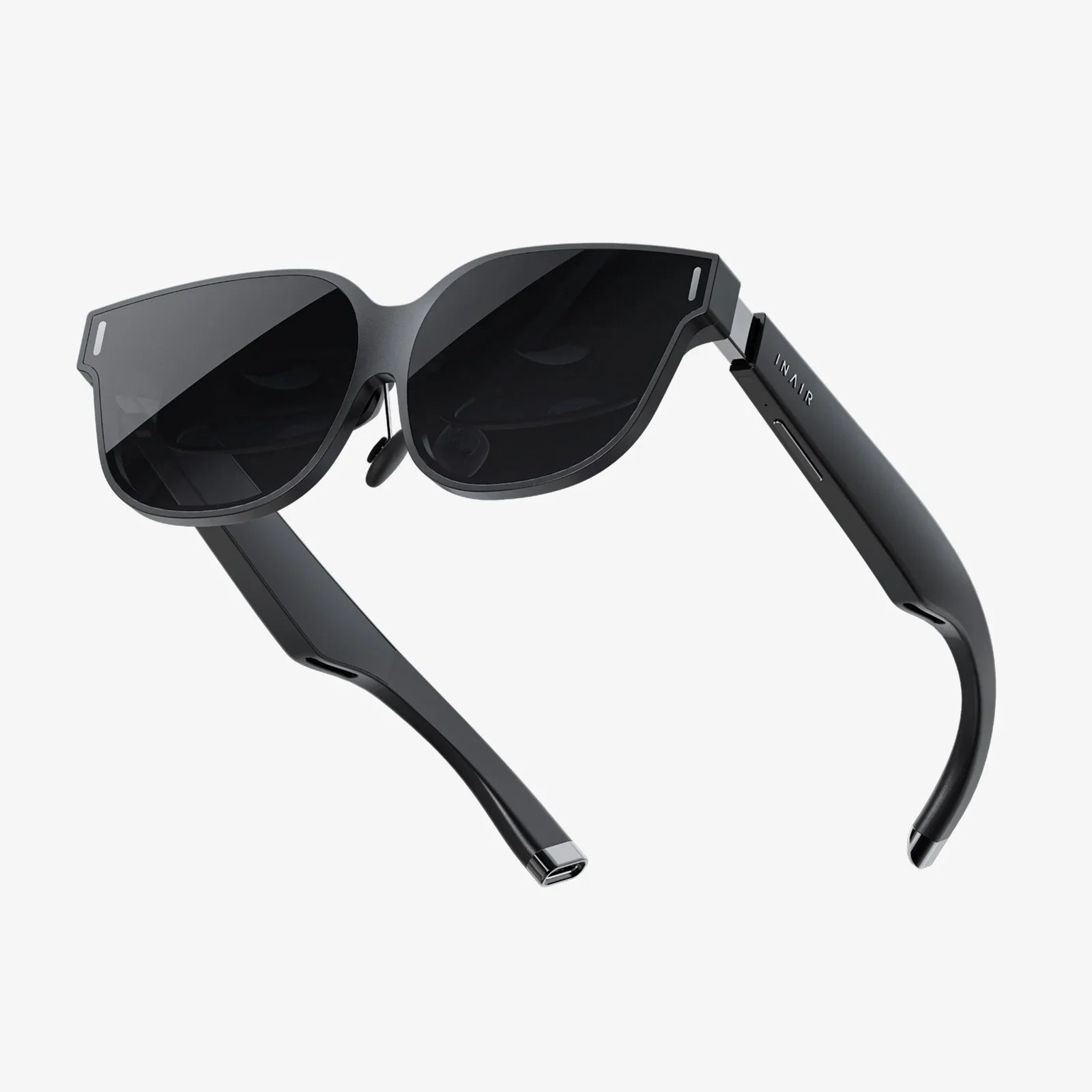
You put on your headphones, press play on your favorite track, and suddenly the music isn't just in your head—it's all around you. The vocals are front and center, the guitar riff echoes from the right, a subtle synth pad drifts in from the distant left, and you can almost pinpoint the drummer's position in a three-dimensional space. This is the promise of spatial audio, a technological leap that claims to transform our listening experience from a flat, stereo image into a rich, immersive soundscape. But is this just a clever marketing gimmick, or does spatial audio genuinely make music sound better? The answer, as with most things in the world of audio, is a fascinating and complex interplay of science, art, and personal perception.
The Foundation: From Stereo to Immersion
To understand spatial audio, we must first appreciate what it aims to improve upon. For decades, stereo sound has been the gold standard for music consumption. By using two channels (left and right), stereo creates a one-dimensional soundstage between the speakers or headphone drivers. It can suggest width and some directionality, but it lacks depth, height, and the true-to-life feeling of being surrounded by sound. Spatial audio, often powered by object-based formats, seeks to break out of this flat plane. Instead of assigning sounds to channels, it treats individual elements of a track—a voice, a snare drum, a violin—as distinct "objects" in a three-dimensional space. Using advanced algorithms and head-tracking technology, these audio objects are placed and moved around the listener with precise coordinates, creating a sphere of sound that mimics how we hear in the real world.
The Science of Hearing: How We Perceive Space
The human auditory system is a marvel of biological engineering, naturally designed for spatial listening. We don't just hear with our ears; we localize sound with our entire head. Key cues tell our brain where a sound is coming from:
- Interaural Time Difference (ITD): The minute difference in the time a sound reaches your left versus your right ear.
- Interaural Level Difference (ILD): The slight variation in the intensity or volume of a sound between your ears, as your head casts a "shadow."
- Spectral Cues: The way your head and the outer ear (pinna) filter sounds, changing their frequency content based on their direction of origin.
Spatial audio technology meticulously replicates these cues through a process called binaural rendering. By filtering sounds through Head-Related Transfer Functions (HRTFs)—acoustic models of a human head—the audio is processed to trick your brain into believing it's hearing sounds from specific points around you, not just from drivers pressed against your ears.
The Potential Benefits: When Immersion Elevates Art
When executed well, spatial audio can indeed make music sound more engaging, detailed, and emotionally resonant.
- Enhanced Clarity and Separation: By placing instruments in their own distinct spatial locations, a busy mix can become remarkably clear. Instead of all elements competing for attention in the center, a rhythm guitar can sit comfortably to the side while a lead vocal remains prominent upfront, allowing the listener to pick out nuances that might have been buried in a stereo mix.
- A Sense of Presence and Scale: Spatial audio can transport you from your living room to the concert hall, the recording studio, or a completely imagined environment. The reverberation of a choir can swell and decay around you, making you feel as if you're standing in the center of a vast cathedral. This sense of scale and ambiance can add a profound new emotional layer to the music.
- A More Natural Listening Experience: Proponents argue that spatial audio is closer to how we experience sound naturally. In a live performance, you don't hear music as a flat, left-right image; you are immersed in it. Spatial audio attempts to recapture that realism, making the listening experience less fatiguing and more authentic over extended periods.
- Creative Reinterpretation: For artists and mixing engineers, spatial audio is a new canvas. It allows for creative possibilities that were previously impossible—a synth solo that spirals around the listener's head, a whisper that feels like it's coming from directly behind, or a sense of movement that tells a story alongside the music itself.
The Criticisms and Challenges: The Hype Versus Reality
Despite its potential, spatial audio is not a magic bullet, and its implementation is fraught with challenges that can lead to a worse listening experience.
- Inconsistent Mixes: The quality of a spatial audio mix is entirely dependent on the skill and intention of the engineer. A bad spatial mix can sound gimmicky, with instruments unnaturally and distractingly placed in the rear or overhead. It can feel like a tech demo rather than a thoughtful enhancement of the music.
- The HRTF Problem: Everyone's head and ears are shaped differently. The generic HRTF models used by most systems work well for some listeners but can be completely ineffective for others. For these individuals, the spatial effect might not translate, sounds may appear blurred or incorrectly placed, and the coveted "center image" might collapse, making the overall experience worse than traditional stereo.
- Listener Fatigue: The constant processing and the intense, immersive nature of a full 3D soundscape can be mentally taxing for some. The brain is working harder to parse the artificial soundfield, which can lead to fatigue more quickly than with simpler stereo playback.
- Compatibility and Quality Requirements: To experience true spatial audio, you need a compatible source, a capable playback device, and supported headphones. Listening on built-in laptop speakers or a standard car stereo will nullify the effect entirely, often resulting in a downmixed version that can sound thin, phasey, or lacking in bass compared to a dedicated stereo master.
Genre Matters: Not All Music Is Created Equal in 3D
The benefits of spatial audio are not universal across all genres. A classical recording made in a renowned concert hall with a sophisticated microphone array is a perfect candidate for spatial audio, as it can accurately recreate the acoustic space and the placement of each section of the orchestra. Similarly, modern electronic, ambient, and psychedelic rock music, where soundscapes are often intentionally artificial and expansive, can thrive in this format. However, a minimalist folk recording or a classic rock track originally mixed for vinyl on a stereo console might gain little from being remastered in spatial audio. In fact, adding artificial space to a intimate, dry recording can strip it of its raw power and authenticity, making it sound hollow and unnatural.
The Verdict: Better, or Just Different?
So, does spatial audio make music sound better? It is more accurate to say it makes music sound different. It is a new tool for artistic expression and auditory immersion. For listeners who have the right physiology to align with standard HRTFs and who appreciate a cinematic, enveloping experience, it can be a revelation. It offers a new way to engage with music, revealing textures and details in a way stereo cannot. However, it is not an objective improvement. A beautifully crafted stereo mix, with its own artful use of panning and depth, remains a masterpiece of audio engineering. Spatial audio's value is subjective, heavily dependent on the quality of the mix, the genre of music, the listener's equipment, and the unique shape of their ears. It is an alternative, not a replacement.
The next time you get the chance, put on a pair of compatible headphones and seek out a track you know intimately, mixed specifically for spatial audio. Close your eyes and let the sound move around you. You might find yourself discovering hidden layers and emotional depth you never knew existed, forging a deeper connection to the music you love. Or, you might find it a distracting novelty, preferring the straightforward punch of a great stereo recording. The only way to know if this brave new world of sound is better for you is to take the plunge and listen for yourself. The future of music isn't just about hearing—it's about feeling like you're there.
Share:
Virtual Box Full Screen: The Ultimate Guide to Seamless Virtualization
Immersive Mixed Reality Experiences Are Redefining Our Digital and Physical Worlds