


- by wangfred
Does Virtual Reality Work? An In-Depth Exploration of Its Efficacy and Future
- by wangfred
You strap on the headset, and in an instant, the world around you dissolves. You’re no longer in your living room; you’re standing on the surface of Mars, performing a complex surgical procedure, or facing down a phobia you’ve battled for years. The experience is visceral, overwhelming, and feels undeniably real. But a nagging question persists, cutting through the immersion: is this just an incredibly sophisticated trick, a fleeting illusion? Does virtual reality actually work? The answer is far more complex and fascinating than a simple yes or no. It’s a story of neuroscience, technological triumph, and human potential, revealing that VR’s power isn't just in what it shows us, but in how it fundamentally rewires our perception and, in some cases, our very reality.
To understand if VR works, we must first define what "work" means. In this context, it's about achieving presence—the unequivocal sensation of being in a place other than your physical location. This isn't about just seeing a 3D image; it's a profound psychological state where your brain accepts the virtual environment as real. This feat is accomplished through a meticulously orchestrated symphony of technology and biology.
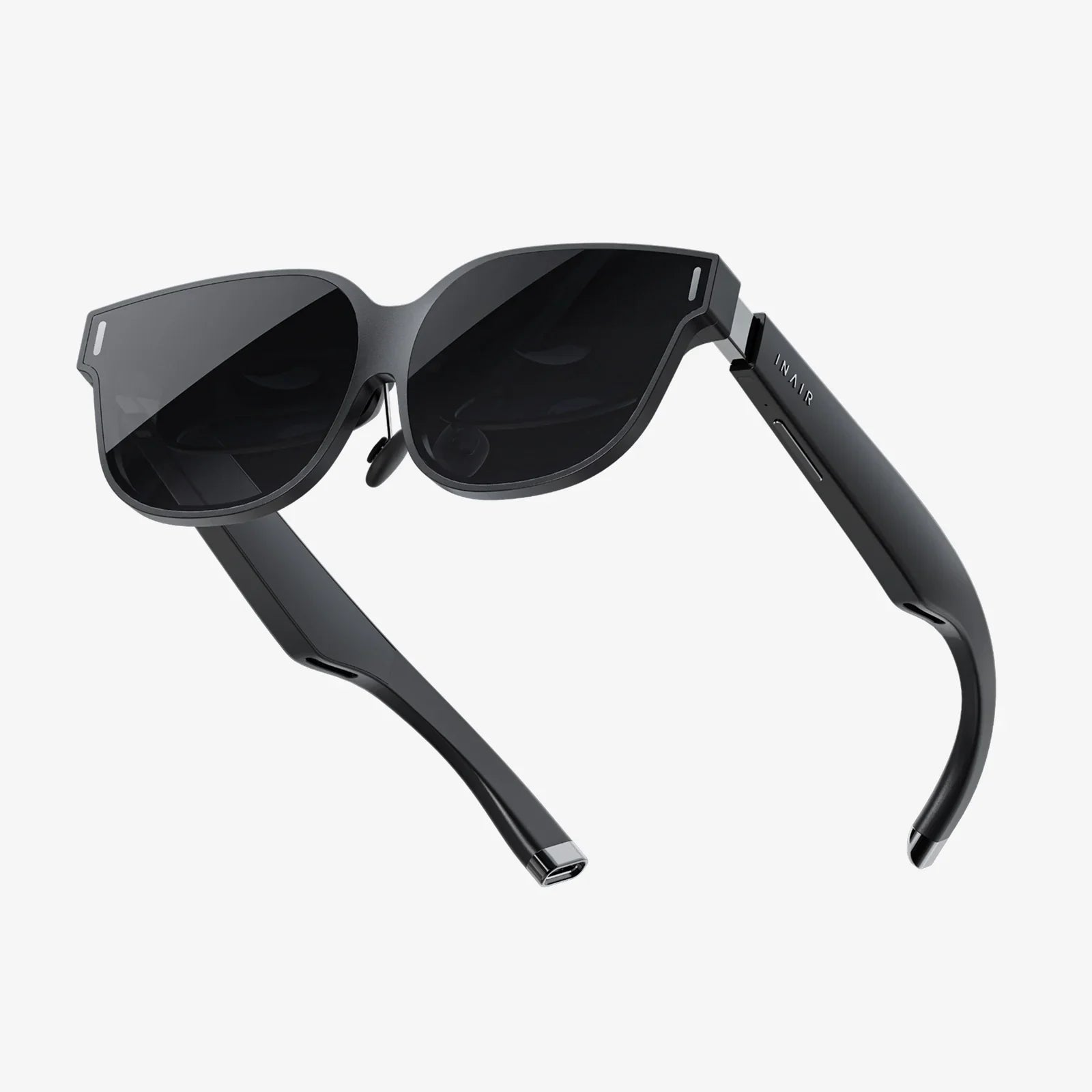
The primary tools are the Head-Mounted Display (HMD) and tracking systems. The HMD places a high-resolution screen mere centimeters from your eyes, with lenses that focus and reshape the image to fill your field of view. This stereoscopic display shows a slightly different image to each eye, creating the depth and scale that flat screens cannot replicate. But vision is only one part of the puzzle.
For the illusion to hold, the virtual world must respond to you in real-time. This is where head tracking comes in. Using a combination of gyroscopes, accelerometers, and external or internal cameras, the system constantly monitors the orientation and position of your head. When you look left, the world pans left instantly and without lag. This low latency is critical; any delay between your movement and the visual update shatters the illusion of presence, often leading to disorientation or motion sickness.
Advanced systems incorporate hand tracking and haptic feedback, allowing you to see a virtual representation of your hands and interact with objects. You can pick up a virtual rock, feel its weight through subtle vibrations, and throw it, watching it arc through the digital sky. This multi-sensory engagement—combining sight, sound, and touch—creates a powerful feedback loop that convinces your brain it is not just an observer, but an active participant in a real space. The brain, a relentless pattern-seeking machine, is fooled into suspending disbelief, accepting the digital construct as its new reality.
While gaming is VR's most public-facing application, its true proof of concept lies in fields where its efficacy has measurable, real-world outcomes. Here, the question "does it work?" is answered with empirical data and life-changing results.
The medical field has embraced VR as a powerful tool for both training and treatment. Surgical trainees no longer need to rely solely on cadavers or observe from a distance. They can now step into a hyper-realistic simulation of a complex procedure, practicing intricate maneuvers again and again without risk to a patient. Studies have shown that surgeons who train in VR make significantly fewer errors and complete procedures faster than those trained with traditional methods. The technology works because it provides a safe, repeatable, and cost-effective environment to hone skills that directly translate to the operating room.
Perhaps even more profound is VR's application in exposure therapy for treating phobias, anxiety, and Post-Traumatic Stress Disorder (PTSD). A patient with a fear of heights can gradually experience standing on a virtual balcony, then a higher floor, and eventually a skyscraper ledge—all from the safety of their therapist's office. For veterans with PTSD, therapists can carefully recreate traumatic scenarios in a controlled manner, allowing the patient to process and manage their reactions. The brain's response in these virtual environments is genuine; the fear and anxiety are real, which makes the therapeutic progress equally real and lasting.
VR is moving education from passive learning to active experience. Instead of reading about ancient Rome, students can walk through a digitally reconstructed Forum, hearing the sounds and seeing the scale of the architecture. Medical students can journey through the human bloodstream. Mechanics can practice disassembling a complex engine virtually before touching a physical tool. This experiential learning leads to significantly higher retention rates and deeper understanding. In the corporate world, VR is used for immersive training simulations, from practicing public speaking to mastering safety protocols on an oil rig. It works because it creates memorable, emotionally engaging experiences that stick with the learner far longer than a textbook or video.
For architects and designers, VR has become an indispensable tool. Instead of looking at blueprints or 3D models on a screen, they can step inside their creation before a single brick is laid. They can assess the flow of a space, the interplay of light, and the feel of a room at full scale. This allows for identifying design flaws and making improvements that would be prohibitively expensive to change during physical construction. Clients can take a virtual tour, providing feedback based on experience rather than imagination. It works by collapsing the gap between concept and reality, saving immense time and resources.
Despite its incredible potential, VR is not a perfect technology. Its effectiveness is often hampered by significant challenges that prevent universal adoption and seamless experience.
The most common issue is cybersickness, a form of motion sickness characterized by dizziness, nausea, and disorientation. It occurs when there's a conflict between the visual system (which tells the brain you are moving) and the vestibular system in your inner ear (which signals that you are stationary). While improvements in latency and frame rates have reduced its prevalence, it remains a barrier for many users, limiting session times and overall comfort.
Other limitations include the physical bulk and cost of high-end hardware, the need for a powerful computer to run it, and the lack of widespread, compelling content beyond gaming. The social experience, while growing, still feels isolating compared to real-world interactions. Furthermore, long-term psychological and physical effects are still being studied, with concerns about reality blurring, eye strain, and social isolation for heavy users. In these areas, VR is still a technology in development, working imperfectly as it evolves.
The trajectory of VR points toward a future where the current limitations are steadily eroded. Advancements in haptic technology promise not just simple vibrations, but the sensation of texture, resistance, and weight. Varifocal displays will mimic how our eyes naturally focus on objects at different distances, reducing eye strain and deepening the visual realism. Brain-computer interfaces, though far off, hint at a future where we could manipulate virtual worlds with our thoughts, creating a level of immersion that is currently unimaginable.
The concept of the metaverse—a persistent network of interconnected virtual spaces—suggests a future where VR is less of a destination and more of a platform for work, socializing, and commerce. The question will evolve from "does it work?" to "how is it shaping our society, our economy, and our sense of self?"
So, does virtual reality work? The evidence is overwhelming. It works as a neurological trick, masterfully hijacking our senses to create presence. It works as a practical tool, delivering proven results in medicine, education, and industry. It works as a medium, offering unprecedented forms of storytelling and artistic expression. Yet, it remains a technology in its adolescence—powerful and transformative, but still maturing. Its ultimate success won't be measured by the perfection of its illusion, but by its ability to enhance, rather than replace, our human experience, providing new windows into worlds of learning, healing, and connection we are only beginning to imagine. The headset may be a portal, but the real magic lies in our human capacity to adapt, learn, and find meaning within the virtual realms we create.
Share:
What Can You Watch With Virtual Reality - The Ultimate Immersive Entertainment Guide
How Is AR Different From Virtual Reality? A Deep Dive Into The Digital Frontier