


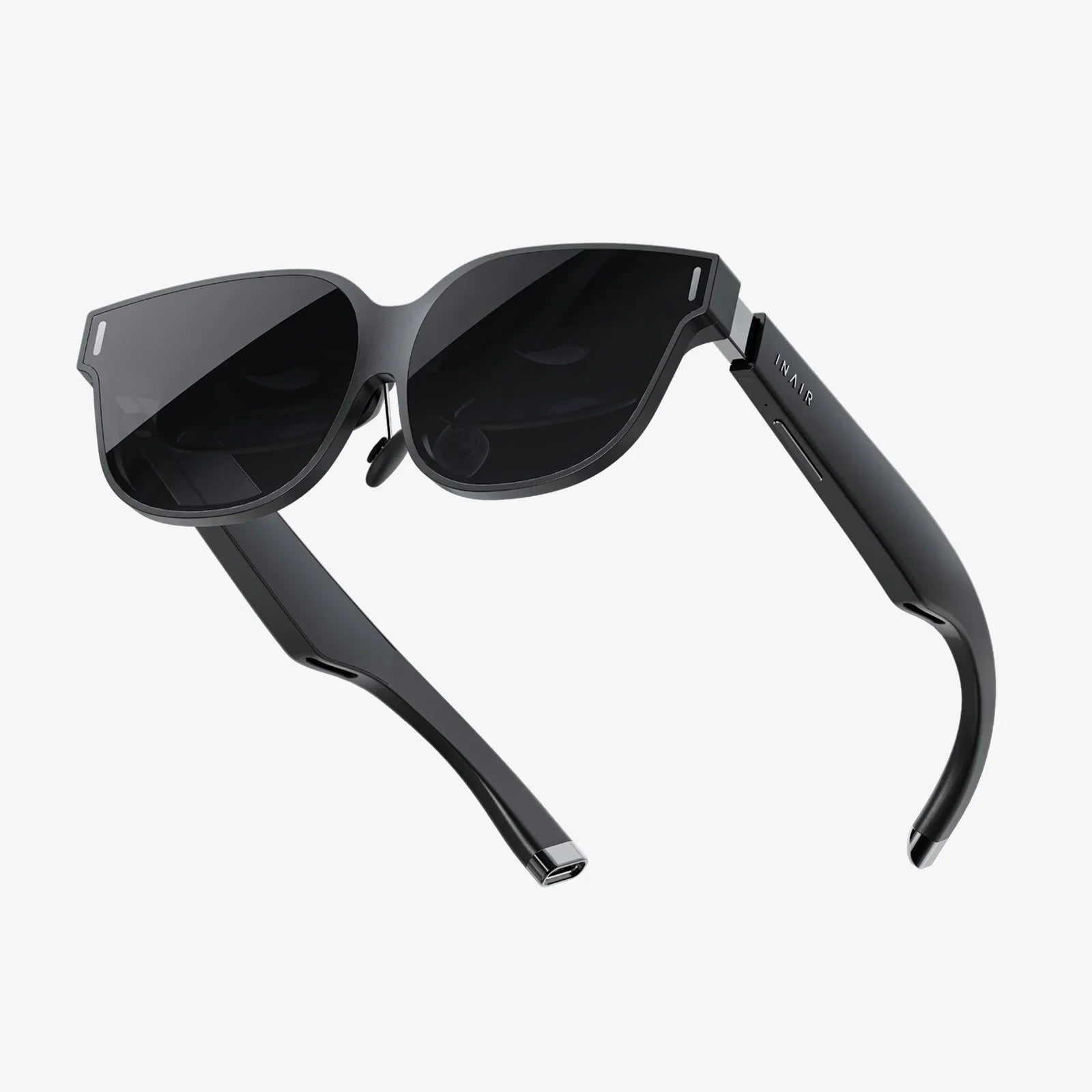
- by wangfred
Does VR Glasses Damage Your Eyes? An In-Depth Look at the Science
- by wangfred
You’ve just experienced your first breathtaking dive in a virtual ocean or navigated a fantastical digital landscape, but as you remove the headset, a slight blurriness and a nagging question emerges: was that amazing experience secretly harming my vision? The concern is a common one, echoing from living rooms to research labs. As immersive technology becomes more mainstream, understanding its true impact on our most precious sensory organs is not just prudent—it's essential. This deep dive moves beyond the hype and the fear to explore what the science actually says about the relationship between virtual reality and ocular health.
To understand the potential risks, we must first appreciate how Virtual Reality headsets interact with our visual system. Unlike a television or a book, which is viewed at a fixed, comfortable distance, VR presents a unique challenge.
At its core, a VR headset consists of two small screens, one for each eye, placed mere centimeters away. Lenses are positioned between the screens and your eyes, bending the light to create the illusion of a vast, three-dimensional world that exists at a distance, a trick known as focal vergence. This is the central paradox: your eyes are physically focused on a screen inches away (the accommodative demand), but your brain is tricked into believing it's looking at objects much farther away (the vergent demand).
This conflict between accommodation and vergence is not something we encounter in the natural world. When we look at a tree in the distance, our eyes both turn slightly outward (verge) and the lenses in our eyes flatten to focus (accommodate). When we read a book, our eyes turn inward and our lenses thicken. In VR, the eyes must converge for a distant mountain but accommodate for a screen two inches away. For some experts, this sensory mismatch is the primary source of the concern, potentially leading to:
These symptoms are collectively often referred to as cybersickness or virtual reality-induced symptoms and effects (VRISE). They are uncomfortable and disruptive, but the critical question remains: are they indicative of permanent, long-term damage?
This is the crucial distinction. The vast majority of the adverse effects experienced by users are temporary and self-resolving. The current body of scientific research has not found conclusive evidence that using VR headsets causes permanent, structural damage to the eyes, such as:
The human visual system is remarkably adaptable and resilient. The temporary blurriness or eye fatigue is akin to the muscle soreness you feel after a strenuous workout—it’s a sign of exertion, not permanent injury. The muscles and the focusing system need a moment to recover and re-calibrate to reality.
However, the discussion becomes more nuanced with specific, vulnerable populations. The primary area of caution is children. A child’s visual system is still in a critical period of development. The concern among optometrists and ophthalmologists is that prolonged and frequent exposure to the accommodation-vergence conflict could potentially impact the development of proper binocular vision in young children. While definitive long-term studies are still ongoing, most headset manufacturers explicitly advise that their products are not for use by children under a certain age (often 12 or 13). The conservative and widely recommended approach is to strictly limit VR use for very young children.
Interestingly, the very visual mechanisms that cause discomfort for some may be harnessed for good. The field of vision therapy is actively exploring VR as a powerful therapeutic tool. The precise control over the visual environment allows clinicians to create targeted exercises for conditions like:
Researchers are also developing applications for diagnosing eye diseases earlier and more accurately. Furthermore, for individuals with low vision, VR holds the promise of creating customizable visual worlds where contrast can be heightened, text enlarged, and specific areas magnified, potentially offering a new level of digital accessibility.
While permanent damage may not be the primary risk, preventing discomfort and protecting your visual well-being is paramount. Adopting smart habits can ensure a comfortable and sustainable VR experience.
A poorly configured headset is a fast track to discomfort. Take the time to adjust the headset straps for a secure but comfortable fit. Crucially, use the Interpupillary Distance (IPD) adjustment if your headset has it. This slider moves the lenses to match the exact distance between your pupils. Correct IPD alignment ensures the image is as clear and comfortable as possible, reducing strain. If the image is blurry or you feel cross-eyed, the IPD is likely set incorrectly.
Technology is rapidly evolving to address the very issues it creates. The next generation of headsets is focusing heavily on improving visual comfort. Key developments include:
These advancements promise a future where the visual experience in VR is indistinguishable from reality in its comfort and natural feel, effectively eliminating the primary source of eyestrain.
So, does strapping a screen to your face spell doom for your eyesight? The evidence resoundingly suggests not. The risks of permanent damage are, based on all current research, exceedingly low. The real culprits are temporary discomfort, eye strain, and fatigue—unpleasant but reversible side effects of asking our visual system to do something extraordinary. The power, as with most technology, lies in our hands. By understanding how VR works, respecting our physiological limits, and adopting simple safety practices, we can confidently explore these incredible digital frontiers. The future of VR is not one of darkness for our eyes, but one of ever-sharper, more comfortable, and even therapeutic vision.
Share:
AR VR Wearables News Today: The Dawn of a Seamless Digital Reality
What's The Battery Life Challenge For AI Glasses? The Invisible Barrier To Ubiquitous Computing