


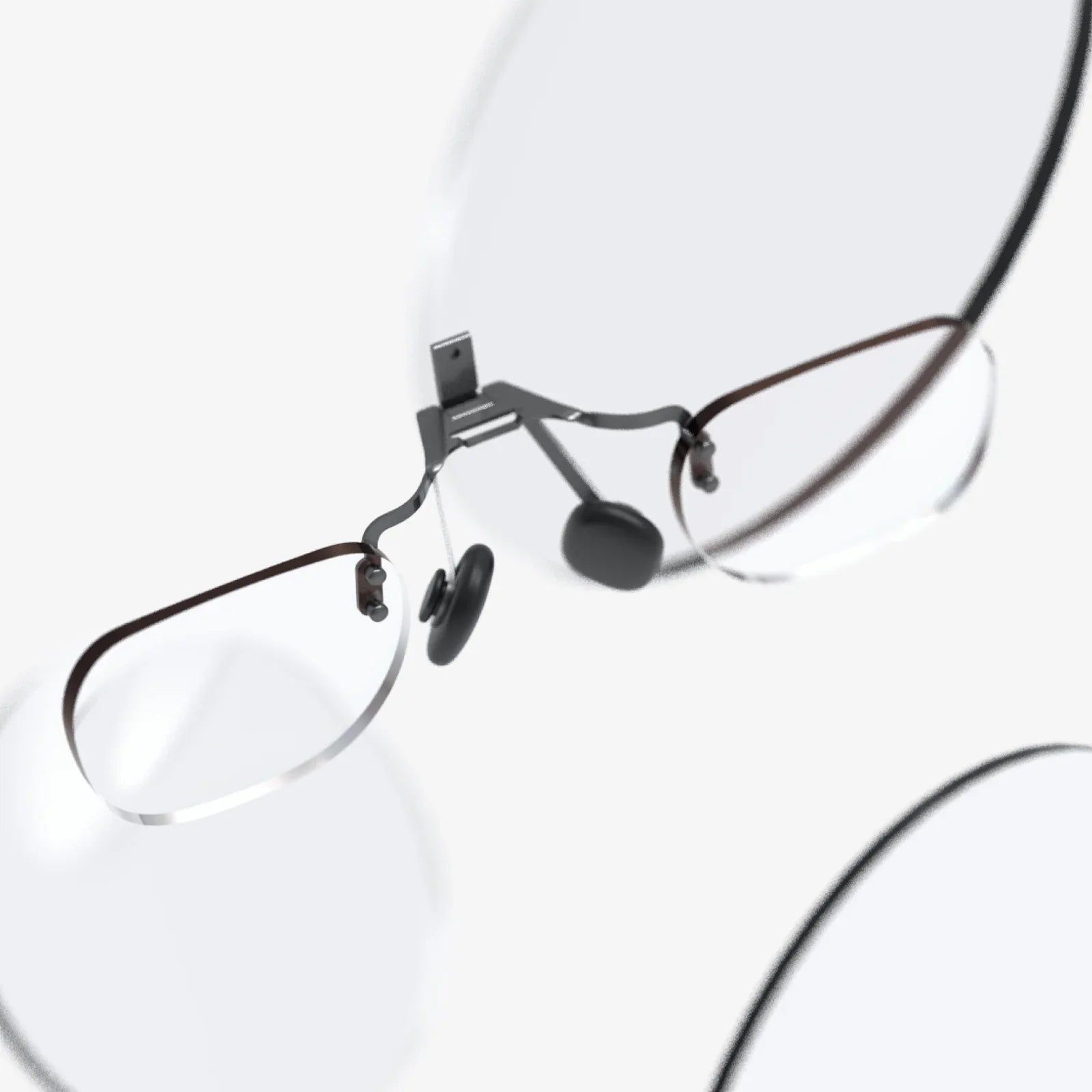
You’ve just experienced your first breathtaking dive in a coral reef or navigated a spaceship through an asteroid field, all from your living room. As you lift the sleek device from your face, a lingering question surfaces in your mind, a slight blurriness confirming its presence: does VR headset affect eyes? This question is becoming increasingly urgent as virtual reality shifts from a niche gadget to a mainstream fixture in homes, classrooms, and offices worldwide. The allure of immersive digital worlds is undeniable, but at what cost to our most vital sensory organ? The answer is a complex blend of optics, human biology, and technology, and it’s crucial for every user to understand it.
The Optical Illusion: How VR Headsets Trick Your Eyes and Brain
To understand the potential impact on your eyes, you must first grasp the fundamental trick that VR performs. Unlike a television or phone screen that you view from a distance, a VR headset places a screen—or two, one for each eye—just centimeters from your face. If you were to look at a phone that close, your eyes would strain tremendously to focus, a phenomenon known as accommodation. VR headsets circumvent this problem using sophisticated lenses. These lenses sit between your eyes and the screen, bending the light so that the image, while physically near, appears to be at a comfortable distance away, often two meters or more. This simulated distance is called the focal plane.
This creates a unique scenario known as the Vergence-Accommodation Conflict (VAC), which is at the heart of the debate around VR and eye health. Vergence is the movement of both eyes inward or outward to look at an object. Accommodation is the eyes’ ability to change focus. In the real world, these two processes are perfectly linked. When you look at your finger close to your nose, your eyes converge (verge) and your lenses accommodate to focus on it. When you look at a mountain in the distance, your eyes diverge and relax their focus.
In current consumer-grade VR, this link is broken. The lenses force your eyes’ accommodative system to constantly focus on the fixed focal plane (e.g., two meters away). However, your vergence system is continuously working as you look at virtual objects that appear to be both closer and farther than that fixed plane. Your brain is receiving conflicting signals: your eye muscles are saying you’re looking at something two meters away, but your focus is telling you you’re examining something right in front of your face. This sensory mismatch is unnatural and is the primary cause of the eye strain, fatigue, and headaches many new users experience.
Short-Term Effects: The Immediate Sensations
For the vast majority of users, the effects of VR are temporary and subside shortly after removing the headset. These short-term symptoms are the body’s reaction to the unnatural visual experience, particularly the VAC.
- Eye Strain (Asthenopia): This is the most commonly reported issue. The muscles that control accommodation and vergence are working overtime to resolve the conflicting cues, leading to fatigue, a heavy feeling in the eyes, and sometimes aching around the eyebrows.
- Headaches: Often a direct result of intense eye strain, these headaches typically originate from the forehead and temple areas.
- Dry or Irritated Eyes: Studies have shown that people blink significantly less—up to 5-6 times less—while immersed in a VR environment. Reduced blinking leads to quicker evaporation of the tear film, causing dryness, a gritty sensation, and redness.
- Blurred Vision: Temporary blurriness after a VR session is common. It’s the eye’s accommodative system readjusting to the real world after being ‘trained’ to focus at the headset’s fixed focal plane for an extended period.
- Nausea and Dizziness (Cybersickness): While more related to the vestibular system (balance), this discomfort is triggered by a visual-proprioceptive conflict. Your eyes tell your brain you’re moving at high speed or turning sharply, but your body feels stationary. This can exacerbate feelings of overall visual unease.
These symptoms are often grouped under the term "digital eye strain" or "computer vision syndrome," which also applies to prolonged use of traditional screens. VR simply introduces a new, more intense layer to this modern ailment.
Debunking the Myths: Separating Fear from Fact
As with any new technology, fear and misinformation abound. Let’s address the most common myths head-on.
Myth 1: VR will make you/my child go blind or cause permanent damage.
There is currently no scientific evidence to suggest that VR headsets cause permanent structural damage to the eyes, such as cataracts, retinal damage, or permanent changes to your visual acuity. The eye strain experienced is muscular and neurological fatigue, not permanent injury.
Myth 2: VR will ruin your eyesight and make you need glasses.
VR does not change the physical shape of your eyeball, which is the cause of common refractive errors like myopia (nearsightedness) or hyperopia (farsightedness). It will not cause a person with healthy vision to develop a need for glasses. However, it can highlight existing, uncorrected vision problems. If someone struggles with VR where others do not, it may be a sign of an underlying issue that should be checked by an optometrist.
Myth 3: VR is just as bad as sitting too close to the TV.
This old parental warning is largely obsolete with modern screens, but the mechanics are different. Sitting too close to a TV strains the accommodative system because the eyes must focus on a physically near object. VR lenses artificially relax accommodation, so the strain comes from the conflict with vergence, not from focusing on a physically near point.
The Long-Term Unknown and Areas of Concern
While evidence of permanent harm is absent, the technology is still too new for definitive long-term, multi-decade studies. The primary area of concern for researchers is not permanent damage, but the potential for long-term adaptation, particularly in children.
Children and Developing Visual Systems: This is the most cautious area. A child’s visual system is highly plastic, meaning it is still developing and can adapt to its environment. The core concern is that prolonged and frequent exposure to the Vergence-Accommodation Conflict could potentially teach a developing brain to decouple these two processes. Could this lead to an increased prevalence of binocular vision disorders like strabismus (a misalignment of the eyes) or amblyopia (lazy eye) in susceptible individuals? Most manufacturers acknowledge this unknown by setting age limits (often 12 or 13+) for their devices, erring on the side of caution. The American Academy of Ophthalmology states that there is no evidence of VR being any more harmful than any other screen time for children but recommends moderation as with all activities.
Myopia Progression: The global rise in myopia is linked to insufficient time spent outdoors and excessive “near work” on screens. While VR technically simulates distance, it is still a form of intense near work for the eyes. The impact of prolonged VR use on myopia progression is not yet known and is a subject of ongoing research.
Who is Most at Risk?
Certain groups may experience more pronounced effects from VR use:
- Individuals with Pre-existing Binocular Vision Issues: Those with a subtle or undiagnosed misalignment of the eyes (strabismus) or problems with eye teaming (convergence insufficiency) are likely to experience severe discomfort, headaches, and double vision in VR much faster than those without.
- People with Uncorrected Refractive Errors: If you need glasses but don’t wear them, or if your prescription is outdated, VR will be blurry and cause greater strain as your eyes struggle to compensate.
- Those Prone to Motion Sickness: Individuals who get carsick or seasick are far more susceptible to cybersickness in VR.
- Children: As discussed, due to the developing nature of their visual system.
Protecting Your Eyes: A Practical Guide to Safe VR Use
The potential for temporary discomfort is real, but it can be effectively managed with smart habits. Embracing these practices can significantly enhance comfort and allow you to enjoy VR safely.
- Fit is Fundamental: The single most important factor for visual clarity and comfort is a properly fitted headset. Use the adjustable head straps, interpupillary distance (IPD) dial, and lens distance settings (if available) to achieve the clearest, sharpest image possible. A misaligned headset is a fast track to eye strain.
- Take Regular Breaks: This is the golden rule. Follow the widely recommended "20-20-20" rule: every 20 minutes, take a 20-second break and look at something at least 20 feet away. This allows your eyes’ focusing and vergence systems to reset. For immersive games, set a timer to remind yourself.
- Blink Consciously: Remind yourself to blink fully and often to keep your eyes lubricated. Consider using lubricating eye drops before and after a long session if you are prone to dryness.
- Start Slow and Build Tolerance: If you’re new to VR, begin with sessions of 15-30 minutes. Your brain needs time to adapt to the unique visual experience. Gradually increase your playtime as your comfort level improves.
- Optimize Your Environment: Ensure the headset lenses are clean and free of smudges. Use the headset in a well-lit room (avoid direct sunlight on the lenses, which can damage the screens) to help your eyes feel less fatigued when you take the headset off.
- Consult an Eye Care Professional: If you experience persistent discomfort, headaches, or double vision, schedule an eye exam. You may have an underlying vision issue that VR is exposing. Discuss your VR use with your optometrist.
- Follow Age Guidelines: Adhere to the manufacturer’s recommended age limits and strictly limit and supervise VR use for younger children.
The Future is Clear: Technological Solutions on the Horizon
The industry is acutely aware of the Vergence-Accommodation Conflict and is investing heavily in technologies to solve it. The next generation of headsets is exploring features like:
- Variable Focus (Varifocal) Displays: These systems use eye-tracking to determine exactly where you are looking in the virtual space and then mechanically or electronically adjust the focus of the lenses to match the simulated distance of that object, effectively eliminating the VAC.
- Light Field Displays: A more advanced technology that mimics how light behaves in the real world, allowing your eyes to focus naturally at different depths within the virtual scene.
- Improved Resolution and Refresh Rates: Higher pixel density reduces the "screen door effect," and faster refresh rates (120Hz and beyond) create smoother motion, both of which reduce visual strain and the risk of cybersickness.
These innovations promise a future where VR is visually comfortable for extended periods, moving from a novelty to a truly seamless visual experience.
The shimmering virtual world waits, offering adventures beyond imagination, but it demands a new kind of visual literacy from its explorers. The question isn't whether to embrace this technology, but how to do so with wisdom and care for the incredible biological hardware that makes it all possible. By understanding the science behind the headset, respecting your body's signals, and adopting simple protective habits, you can confidently step into the metaverse, ensuring that your vision remains as sharp and healthy in reality as it is in the digital frontier. The future of VR is bright, and with the right knowledge, your eyes can be too.
Share:
Most Immersive VR Headset 2025: A Glimpse Into The Future Of Virtual Reality
Most Immersive VR Headset 2025: A Glimpse Into The Future Of Virtual Reality