


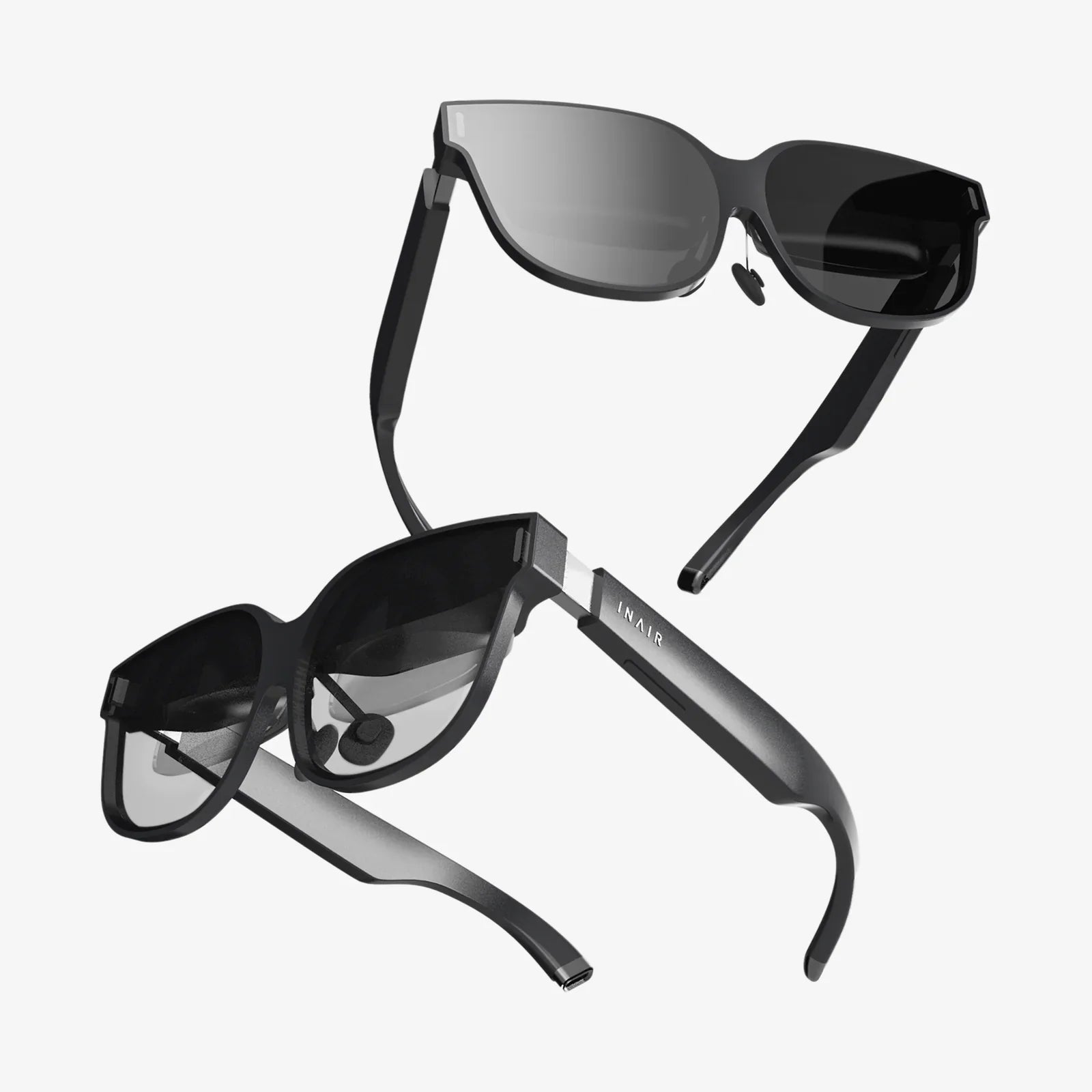
You've felt the thrill of a virtual rollercoaster, the awe of standing on a digital Martian landscape, or the focus of a high-stakes simulated training module. But as you lift the headset and the real world swims back into view, a nagging question often remains: was that incredible experience coming at a cost to my vision? The intersection of cutting-edge technology and our most precious sense is a topic of intense curiosity and concern, making it a question worth a deep and scientific dive.
The Visual Mechanics of Virtual Reality
To understand the potential impact on eyesight, one must first grasp how these devices create their magic. Unlike a television or phone screen that sits at a fixed distance, a VR headset uses a pair of small screens, placed extremely close to the eyes, and a set of sophisticated lenses. These lenses bend the light from the screens, making the image appear to be coming from a farther distance, typically a few meters away. This process, known as accommodation, is a constant negotiation between your eyes and the headset.
Your eyes naturally want to converge (turn inward) and focus (accommodate) on the same point. In the real world, these two actions are perfectly linked. However, in most current consumer-grade VR, a phenomenon called the vergence-accommodation conflict (VAC) occurs. Your eyes converge on a virtual object that appears to be nearby, but they must still focus on the fixed focal plane of the screen, which is optically set to a farther distance. This unnatural decoupling of two usually synchronized processes is the primary source of the visual discomfort and eye strain associated with headset use.
Immediate Effects: Eye Strain, Fatigue, and Discomfort
The most commonly reported short-term effects are symptoms of digital eye strain, clinically known as asthenopia. These are not unique to VR but are often amplified by its immersive nature. Users may experience:
- Eyestrain: A tired, sore feeling in and around the eyes.
- Headaches: Often stemming from the effort of the eye muscles to resolve the vergence-accommodation conflict.
- Blurred Vision: Temporary blurriness after removing the headset as the eyes readjust to the real world.
- Dry or Irritated Eyes: Studies show people blink significantly less often while immersed in a digital environment, leading to dryness.
- Nausea or Dizziness (Cybersickness): While primarily a balance system issue, this is often accompanied by visual discomfort.
It is crucial to note that these symptoms are almost always temporary and subside shortly after ending a session. They are a signal from your body to take a break, not evidence of permanent damage.
The Pediatric Question: Special Considerations for Children
This is arguably the most sensitive and debated area. The concern stems from the fact that a child's visual system is still developing. The critical period for visual development typically lasts until around the age of 8-10, and during this time, the brain is fine-tuning the neural pathways that govern vision. The fear is that the unique visual demands of VR could potentially interfere with this delicate process, perhaps impacting depth perception or eye coordination.
Most headset manufacturers explicitly state their products are not for use by children under the age of 12 or 13. This is often a cautious, liability-driven stance due to a significant lack of long-term longitudinal studies. While there is no conclusive evidence that short, supervised VR sessions cause permanent damage to children's eyesight, the precautionary principle rightly applies. The consensus among eye care professionals is to err on the side of caution: strictly limit session times for younger users and prioritize real-world play for healthy visual development.
Long-Term Impact: Separating Speculation from Science
As of now, there is no reputable scientific evidence to suggest that using a modern VR headset causes permanent structural damage to the eyes or deteriorates eyesight in adults. The technology has not been in widespread consumer use long enough for definitive long-term studies to be completed. However, based on our understanding of ophthalmology and the nature of the temporary symptoms, experts generally believe the risk of permanent harm is low.
The long-term concerns are more nuanced. Could habitual, prolonged use exacerbate underlying vision problems like a lazy eye (amblyopia) or misaligned eyes (strabismus)? Possibly, just as prolonged reading or screen time could. For adults, the greater long-term risk may be from neglecting other aspects of health due to excessive immersion, such as physical activity and social interaction, rather than direct damage to the eyes themselves.
Beyond the Hype: Potential Therapeutic Uses
In a fascinating twist, the very technology that causes concern is also being harnessed as a powerful therapeutic tool in optometry and ophthalmology. Under professional guidance, VR is being used for:
- Amblyopia Treatment: Specially designed programs can train the brain to use the weaker eye more effectively, often in a more engaging way than traditional patching.
- Strabismus Management: VR can help train binocular vision and improve eye alignment.
- Vision Therapy: It can assist in treating convergence insufficiency and other eye teaming disorders.
- Low-Vision Aids: Applications can magnify text, enhance contrast, and otherwise help those with significant visual impairments navigate their environment.
This therapeutic potential highlights a key principle: the effect of technology is largely defined by how it is applied.
A Blueprint for Safe and Healthy VR Use
Mitigating any potential risk is straightforward. Adopting healthy habits can ensure your virtual adventures are comfortable and sustainable.
- Follow the 20-20-20 Rule: Every 20 minutes, take a 20-second break and look at something at least 20 feet away. This allows your eyes to reset their focus and reduces strain.
- Limit Session Length: Especially when starting out, keep sessions short. Gradually increase time as your comfort level allows, but avoid marathons.
- Ensure a Proper Fit: Adjust the headset straps, lens distance (interpupillary distance or IPD), and eye relief until the picture is clear and sharp. A blurry or misaligned image forces your eyes to work harder.
- Maintain Good Hygiene: Keep the lenses clean and avoid sharing headsets without sanitizing to prevent the spread of eye infections like conjunctivitis.
- Listen to Your Body: The moment you feel eye strain, headache, or nausea, stop immediately. Do not "push through" the discomfort.
- Consult a Professional: If you have pre-existing eye conditions, talk to your eye doctor before diving in. Get regular eye exams to ensure your prescription is up to date, as uncorrected vision problems can worsen VR-related strain.
The world of virtual reality offers unparalleled experiences, from exploring fantastical worlds to revolutionizing professional training. The question of its impact on eyesight is not a simple yes or no, but a spectrum of considerations rooted in duration, individual physiology, and responsible use. By understanding the technology and respecting the limits of our biology, we can confidently step into these new digital frontiers. The future of VR is bright, and with mindful habits, our vision can remain that way too.
Share:
Best Smart Wearables 2025: The Ultimate Guide to the Future on Your Wrist
Wearable Device Market Forecast: A Deep Dive into the Next Decade of Personal Tech