


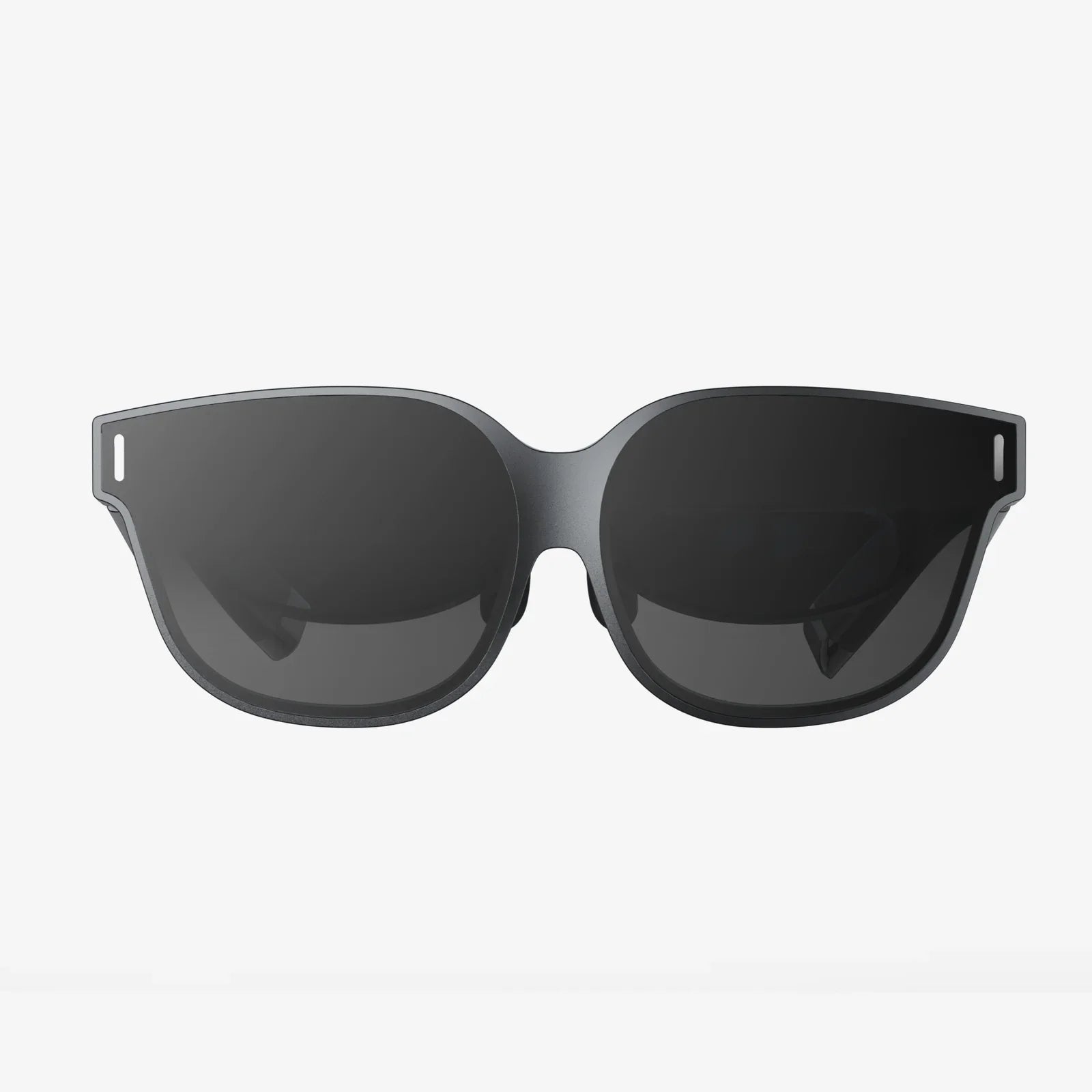
You strap on the headset, and the real world melts away. You’re transported to a sun-drenched beach, the summit of Mount Everest, or the bridge of a starship. This is the dazzling promise of virtual reality—a gateway to infinite experiences. But as the initial wonder fades, a more complex and concerning picture comes into focus. What happens when we spend too long in worlds of our own making? The downsides of this powerful technology are not mere glitches; they are fundamental challenges that threaten our physical well-being, mental health, and the very fabric of our social reality.
The Physical Toll: When the Body Rejects the Illusion
The human body is a finely tuned instrument evolved to navigate a consistent, physical world. VR, by its very nature, deliberately subverts this reality, creating a conflict that often manifests in a range of unpleasant and sometimes debilitating physical symptoms.
Simulator Sickness: The Dissonance of the Senses
The most immediate and widely reported downside is a condition known as simulator sickness, a close cousin of motion sickness. It occurs when there is a sensory mismatch between what your eyes see and what your vestibular system (your inner ear’s balance center) feels. In a moving virtual vehicle, your eyes perceive motion, but your body remains stationary. This contradiction confuses the brain, triggering a primal response that something is wrong—often interpreted as poisoning. The result is a cascade of symptoms: nausea, dizziness, vertigo, sweating, pallor, and headaches. For some, these effects are mild and temporary; for others, they are severe enough to preclude any meaningful use of the technology, creating a significant barrier to adoption.
Visual Strain and Ocular Consequences
Prolonged use of VR headsets places immense strain on the visual system. Unlike looking at a distant horizon, users are focusing on screens mere centimeters from their eyes for extended periods. This can lead to:
- Eye Strain and Fatigue: The constant effort of focusing, known as accommodation, tires the ciliary muscles of the eye.
- Dry and Irritated Eyes: Studies show that users blink significantly less—up to five times less—while immersed in VR, leading to dry, itchy, and red eyes.
- Potential Long-Term Impacts: The long-term effects of sustained near-field focus on developing children’s eyes are not yet fully understood, raising concerns among ophthalmologists about potential impacts on myopia and depth perception development.
Physical Disorientation and Injury
Being blind to your actual surroundings is inherently risky. Users have been known to trip over furniture, walk into walls, or swing controllers into televisions and loved ones. This presents a clear physical danger. Furthermore, the process of reacclimating to the real world after a long session can be disorienting. Some users report a lingering sensation of dissociation, a feeling that the real world itself seems slightly unreal or distorted for a short period after removing the headset, a phenomenon sometimes called "VR hangover."
The Psychological Abyss: Reality, Identity, and Addiction
Beyond the physical realm, VR’s ability to manipulate perception and experience poses profound psychological questions and risks. The line between the virtual and the actual can become dangerously thin.
Reality Blurring and Depersonalization
Intense VR experiences can be so convincing that they temporarily alter a user’s perception of the physical world. This is more pronounced with prolonged use. The brain, having adapted to the rules and physics of the virtual environment, can take time to readjust. This can lead to feelings of depersonalization (feeling detached from one’s own body or thoughts) or derealization (feeling that the world around is not real). While often temporary, for individuals with a predisposition to certain dissociative or psychiatric conditions, this could potentially be triggering or harmful.
The Lure of Escapism and Behavioral Addiction
VR offers the ultimate escape. If your real life is stressful, lonely, or unfulfilling, a virtual world where you are powerful, successful, and surrounded by friends can be incredibly seductive. This creates a high potential for behavioral addiction. The compelling nature of these experiences can lead users to neglect their real-world responsibilities, relationships, and health. Why deal with a difficult job or social anxiety when you can be a celebrated hero in another realm? This retreat from reality can exacerbate existing mental health issues like depression and anxiety rather than alleviate them.
Desensitization and the Capacity for Harm
The immersive nature of VR heightens all experiences, including violent ones. While the debate over video game violence is long-standing, the psychological impact of VR is categorically different. "Pulling the trigger" in a hyper-realistic simulation, feeling a visceral sense of presence as you do so, could have a more profound desensitizing effect than traditional media. This raises ethical questions about content and the potential for these experiences to numb empathy or normalize aggression in ways we are only beginning to comprehend.
The Social Cost: The Erosion of Shared Reality
Human civilization is built upon a foundation of shared experiences and face-to-face interaction. VR, while capable of connecting people across vast distances, also has the potential to erode the very social fabric it claims to weave more tightly.
The Paradox of "Alone Together"
VR social platforms promise to bring people together in shared virtual spaces. Yet, the physical reality is one of profound isolation. Users are alone in a room, cut off from their immediate environment and the people in it. This can lead to increased feelings of loneliness and social isolation. The curated, often gamified nature of social interaction in VR is a poor substitute for the nuanced, non-verbal communication—a subtle touch, a shared glance, the warmth of another’s presence—that defines human connection. It risks creating a generation that is digitally connected but emotionally and physically isolated.
The Fragmentation of Public Space
As the technology becomes more portable and advanced, we face a future where people can choose to exit shared public reality at any moment. On a bus, in a park, or at a family dinner, individuals could retreat into their own private worlds. This challenges the concept of a common public experience and could weaken community bonds and the serendipitous interactions that drive culture and innovation forward.
The Unseen Dangers: Privacy, Data, and Control
To function, VR systems must surveil the user and their environment with an intimacy no other technology has achieved. This creates a data privacy nightmare of unprecedented scale.
The Ultimate Data Harvesting Machine
A typical VR system doesn’t just track what you look at; it can track how you look at it. It collects a biometric data feast: eye-tracking (recording your pupil dilation, gaze path, and where you linger), hand and finger movements, body posture, vocal inflections, and even physiological responses like heart rate. It also maps your physical environment, creating a detailed 3D model of your home. This dataset reveals not just your preferences, but your unconscious reactions, your emotional state, and your private space. The potential for misuse by corporations, advertisers, or governments is staggering.
Manipulation and Behavioral Engineering
With this depth of data, VR becomes the ultimate platform for manipulation. Advertisers could test ad effectiveness on your subconscious gaze. Political actors could tailor messages based on your instantaneous physiological reactions. The platform itself could be designed to exploit psychological vulnerabilities to maximize engagement and addiction. In a fully immersive environment, the line between persuasion and coercion becomes dangerously blurred.
An Unequal Future: The Accessibility Divide
The vision of a VR-dominated future, a "metaverse," is not just a technical challenge but a social and economic one. The costs of high-quality hardware, the required computing power, and access to high-speed internet create a significant barrier to entry. This threatens to create a new digital divide far more extreme than the last. On one side, a privileged class with access to vast virtual experiences, education, and social networks; on the other, those confined to an increasingly impoverished physical reality, unable to participate in the new digital society. This risks exacerbating existing inequalities rather than alleviating them.
The dream of virtual reality is intoxicating, but its path is littered with tangible risks that we can no longer afford to ignore. The downsides—the physical sickness, the psychological unease, the social fragmentation, and the unprecedented threat to privacy—are not minor footnotes. They are critical warnings. Navigating this new frontier requires more than just better hardware; it demands a rigorous ethical framework, robust regulatory oversight, and a profound societal conversation about what we are willing to sacrifice at the altar of immersion. The virtual world awaits, but we must ensure that in embracing it, we do not lose the essential pieces of ourselves and our shared humanity. The cost of a perfect illusion may ultimately be reality itself.
Share:
Virtual Reality Development of Virtual Worlds: A Deep Dive into the Metaverse's Engine
When Was Virtual Reality: The Complete History of an Immersive Dream