


- by wangfred
Drive VR: The Ultimate Fusion of High-Speed Simulation and Immersive Technology
- by wangfred
Imagine the visceral thrill of pushing a high-performance machine to its absolute limit, feeling the g-forces press against your chest as you navigate a perilous hairpin turn, all from the absolute safety of your own home. This is the breathtaking promise of Drive VR, a technological synergy that is not merely an incremental upgrade to gaming but a complete paradigm shift in how we interact with vehicles, experience speed, and master the art of driving. It’s a portal to another reality, one where the laws of physics are yours to command and the only boundary is the limit of your imagination. Strap in, because we're about to take a deep dive into the world where the rubber meets the virtual road.
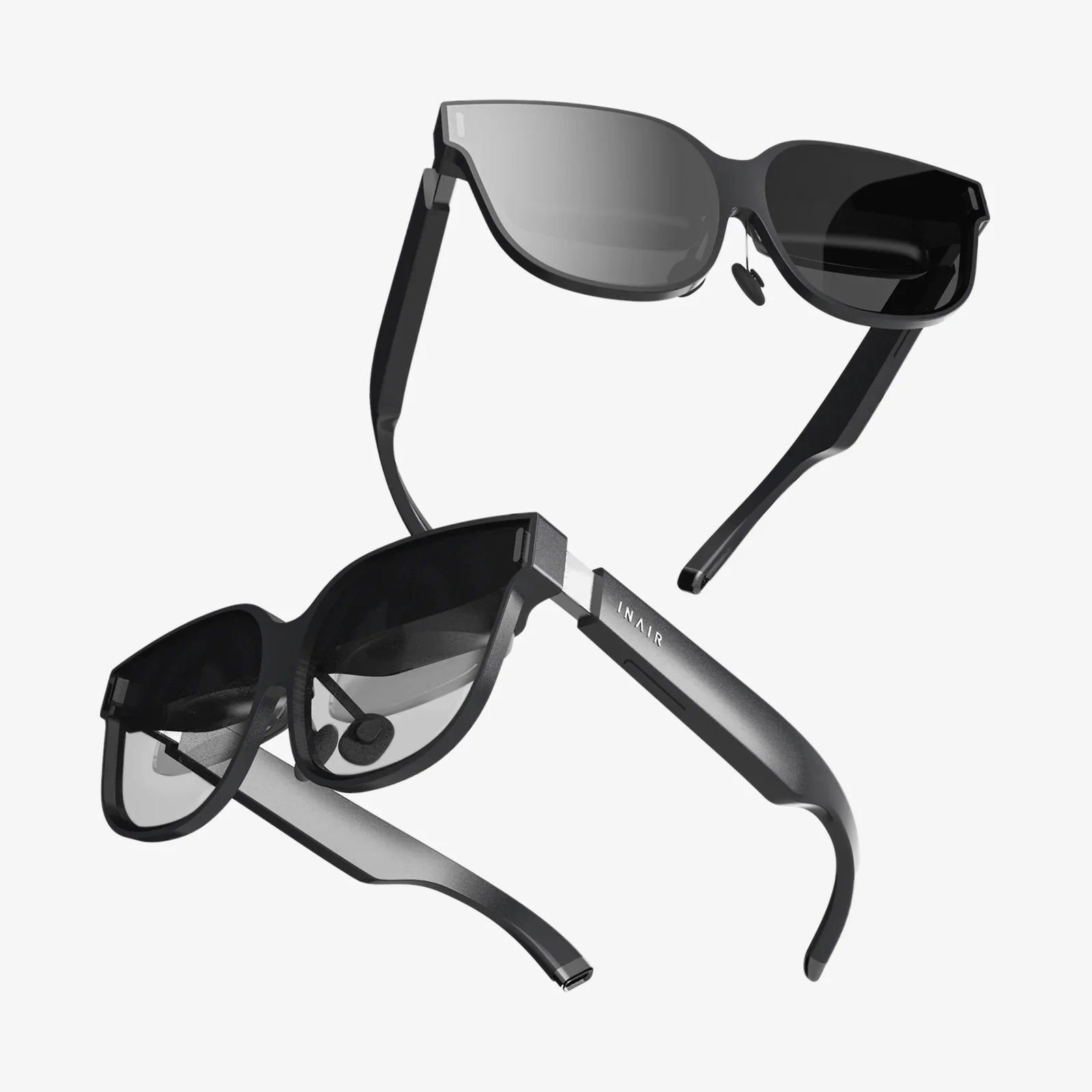
At its heart, Drive VR is a sophisticated marriage of several advanced technologies. While the head-mounted display (HMD) is the most visible component, it is merely the window. The true magic lies in the seamless integration of hardware and software.
The visual experience is delivered through high-resolution OLED or LCD panels housed within the HMD, offering a wide field of view that fills your periphery and sells the illusion of being inside a vehicle. Critically, these displays must boast a high refresh rate (90Hz and above) to ensure smooth, stutter-free motion, which is absolutely essential for preventing simulator sickness and maintaining the sensation of speed.
However, vision is only one sense. Spatial audio is the unsung hero of Drive VR. Advanced audio engines simulate sound with pinpoint accuracy—the roar of the engine from the rear, the screech of tires from the left, the Doppler effect of a competitor whizzing past on the right. This 360-degree soundscape is crucial for situational awareness and deepening immersion, allowing you to hear the apex of a corner or the approach of another car before you see it.
Finally, the link between user and machine is forged through precise tracking systems. Inside-out tracking using cameras and sensors on the headset itself, often combined with external base stations, tracks your head movements with millimetre accuracy and ultra-low latency. This means when you lean forward to peer into a tight corner, check your mirrors, or glance sideways at a competitor, the virtual world responds instantly and naturally, cementing the feeling of physical presence.
To truly Drive VR, you need more than just a visual and auditory experience; you need haptic feedback—the sense of touch. This is where specialized peripherals elevate the experience from impressive to transformative.
Force feedback steering wheels are the cornerstone. These are not simple game controllers; they are complex pieces of engineering equipped with powerful motors that simulate the forces acting upon a virtual vehicle. They communicate every nuance of the road surface: the tug of torque through a curve, the violent shudder of locking brakes, the kickback from hitting a curb, and the unsettling loss of grip as the tires begin to slide. This tangible feedback is the primary channel through which you feel the car, building an intuitive connection that is impossible to replicate with a standard gamepad.
Rigid chassis frames, bucket seats, and pedal sets with pressure-sensitive brakes and clutches further anchor the user in the experience. The emergence of haptic feedback suits and gloves adds another layer, transmitting data like the vibration of an engine or the impact of a collision directly to the body. For the ultimate commitment, full-motion simulators can physically tilt and sway, simulating acceleration, braking, and cornering forces to create a stunningly convincing, full-body experience.
The applications of Drive VR extend far beyond entertainment. Industries with high-stakes driving scenarios are rapidly adopting this technology for training and simulation, recognizing its unparalleled safety and cost benefits.
Aviation and Aerospace: Flight simulation has used VR-like technology for decades, but modern Drive VR systems are making it more accessible and realistic than ever. Trainee pilots can practice complex emergency procedures, instrument navigation, and landing sequences in a perfectly recreated cockpit, experiencing scenarios too dangerous or expensive to replicate in a real aircraft.
Automotive Manufacturing and Design: Engineers and designers use Drive VR to prototype and experience vehicle designs long before a physical model is built. They can sit in a virtual cabin, assess sightlines, ergonomics, and control layouts, and even take a conceptual car for a virtual test drive on a simulated track or road. This drastically reduces development time and cost, allowing for rapid iteration and innovation.
Emergency Services and Military: Police, ambulance, and fire department drivers can train for high-pressure pursuit and response driving in a completely safe environment. They can encounter dynamic traffic, adverse weather conditions, and unpredictable pedestrians, honing their decision-making skills and reflexes without ever risking lives or expensive equipment. Similarly, military personnel can train on operating tanks, armoured vehicles, and transport trucks in hostile virtual environments.
For the enthusiast, Drive VR represents the pinnacle of digital motorsport. It closes the immersion gap that has always existed with traditional screen-based sim racing.
The sense of spatial awareness and depth perception is revolutionary. Judging braking distances, hitting apexes, and navigating wheel-to-wheel combat becomes far more intuitive when you can perceive the three-dimensional space naturally. The ability to turn your head and look into a corner transforms slow, technical sections, allowing for smoother and faster lines.
Furthermore, Drive VR fosters a profound emotional connection. The sheer scale and speed of a virtual Le Mans prototype are genuinely felt when you're visually surrounded by it. The claustrophobic cockpit of a vintage Formula One car, the intimidating height of a monster truck, the serene view from a classic convertible on a coastal highway—these experiences are delivered with an emotional weight and authenticity that a flat screen cannot convey. It’s the difference between watching a documentary about climbing a mountain and actually standing on the summit.
Despite its incredible potential, the path for Drive VR is not without its speed bumps. The technology still faces several significant challenges that must be addressed for widespread adoption.
Simulator Sickness: A portion of the population experiences discomfort, nausea, and dizziness when the visual motion in the headset conflicts with the inner ear's sense of movement (vestibular mismatch). While higher frame rates, reduced latency, and better software design are mitigating this, it remains a barrier for some users.
Technical and Financial Barriers: A high-fidelity Drive VR setup requires a significant investment. This includes a powerful computer capable of rendering two high-resolution images simultaneously at a flawless framerate, the headset itself, and the necessary peripherals (wheel, pedals, rig). This cost can be prohibitive for the average consumer.
Content and Accessibility: While the library of supported software is growing, not all driving games or simulations offer full, native VR support. The experience can also be isolating, cutting the user off from their real-world environment. Furthermore, the physical setup often involves cables and dedicated space, which can be a logistical challenge in many homes.
The future of Drive VR is blazingly fast and incredibly bright. We are standing on the precipice of advancements that will further blur the line between the virtual and the real.
The next generation of headsets will feature even higher resolutions, wider fields of view, and varifocal lenses that mimic the eye's natural focus, reducing eye strain. Wireless technology will become the standard, untethering users and enhancing freedom of movement. Inside-out tracking will become so precise that external sensors will be obsolete.
Perhaps the most exciting frontier is the development of haptic technology. We will see more advanced force feedback systems that can simulate individual tire grip and even the texture of road surfaces. Haptic suits and gloves will become more affordable and widespread, allowing users to feel the vibration of a gravel trap or the change in engine RPM through their seat.
Looking further ahead, the integration of augmented reality (AR) could merge the virtual and physical worlds. Imagine practicing a track layout overlaid onto your real garage space or having driving data and telemetry projected onto your real-world windshield during a commute.
Finally, the rise of the metaverse and social VR platforms points to a future where Drive VR is not a solitary activity. You could meet friends in a virtual garage, inspect each other's custom cars, and then join a race on a world-famous circuit together, sharing the experience as if you were physically there side-by-side.
The engine is roaring, the lights are about to go out, and a new era of immersive technology is waiting for the green flag. Drive VR is no longer a glimpse of a distant future; it’s a powerful, accessible, and profoundly exciting reality that is redefining every aspect of the driving experience, from how we play to how we learn and ultimately, how we connect. The question is no longer if you will try it, but when you will finally take the wheel and see for yourself what lies beyond the screen.