


- by wangfred
Easy Virtual Reality: A Beginner's Guide to the Accessible Digital Frontier
- by wangfred
Remember when the idea of virtual reality was something out of a sprawling sci-fi epic? A complex, clunky, and prohibitively expensive technology reserved for top-tier research labs and Hollywood prop departments? That reality is gone. A quiet revolution has been unfolding, transforming VR from an intimidating technological marvel into an accessible, easy-to-use gateway to infinite experiences. The barrier to entry has not just been lowered; it has been dismantled. Stepping into a digital universe is no longer a question of if you can, but simply when you choose to. The era of easy virtual reality is here, and it’s waiting for you.
The journey to easy VR is built on four fundamental pillars that have collectively removed the friction points that once plagued early adopters.
The first and most significant leap was cutting the cord. Early high-fidelity systems required a physical tether to a powerful, and expensive, computer. This setup was the antithesis of easy: it was restrictive, required significant space, and came with a daunting installation process. The advent of standalone VR headsets changed everything. These all-in-one devices have the computer, sensors, and display built directly into the headset. There are no wires to trip over, no external sensors to meticulously calibrate on your walls, and no compatibility checks with your computer's graphics card. You simply put it on, and you're in. This wireless freedom is the cornerstone of easy virtual reality, offering complete immersion without the literal strings attached.
Gone are the days of memorizing complex button combinations on an alien-looking controller. Modern easy VR systems utilize inside-out tracking and sophisticated computer vision. This means cameras on the headset itself see your hands and the controllers, translating your natural movements directly into the virtual space. The learning curve is virtually non-existent. If you want to pick up an object, you just reach out and grab it. To paint, you mimic the motion of holding a brush. To navigate a menu, you simply point. This intuitive hand-tracking and motion control make the technology feel like an extension of your body rather than a tool you need to learn. It’s a seamless bridge between human intention and digital action.
Easy virtual reality isn't just about the hardware; it's about the software that makes it sing. Modern VR platforms feature clean, dashboard-style interfaces that are immediately familiar to anyone who uses a smartphone or streaming service. Downloading new experiences is a one-click affair from a curated digital storefront. Setting up a safe play area, known as a "guardian boundary" or "play zone," involves simply tracing the outline of your space with a controller—a process that takes seconds. The software handles the complexity behind the scenes, presenting the user with a simple, frustration-free pathway to fun and exploration.
A platform is only as good as its content. The library of available VR experiences has exploded, catering to every imaginable interest and skill level. You are no longer limited to a handful of tech-demo games or abrasive experiences. Today, you can:
This diversity means there is an "easy" entry point for everyone, regardless of their passion.
Despite its progress, some lingering myths about VR prevent people from taking the plunge. It's time to set the record straight.
While high-end systems exist, the price of a quality, easy-to-use standalone headset has fallen dramatically. When contextualized against the cost of a new smartphone, gaming console, or even a high-quality television, VR is now firmly in the realm of accessible consumer electronics. Furthermore, many experiences and games are free or very affordable, offering immense value.
This was a valid concern in the early days. Today, thanks to higher refresh rates, reduced latency, and better overall performance, comfort has been prioritized. Developers also build in numerous comfort options, such as "teleportation" movement instead of analog stick locomotion, snap-turning, and vignetting effects to reduce nausea. For many passive experiences like watching videos or exploring static environments, motion sickness is a non-issue.
As outlined above, this is perhaps the most outdated concern. The content ecosystem is vast and growing daily. From hardcore gamers to curious grandparents, there is a compelling and easy virtual reality experience designed for every demographic.
Ready to dive in? Getting started is straightforward.
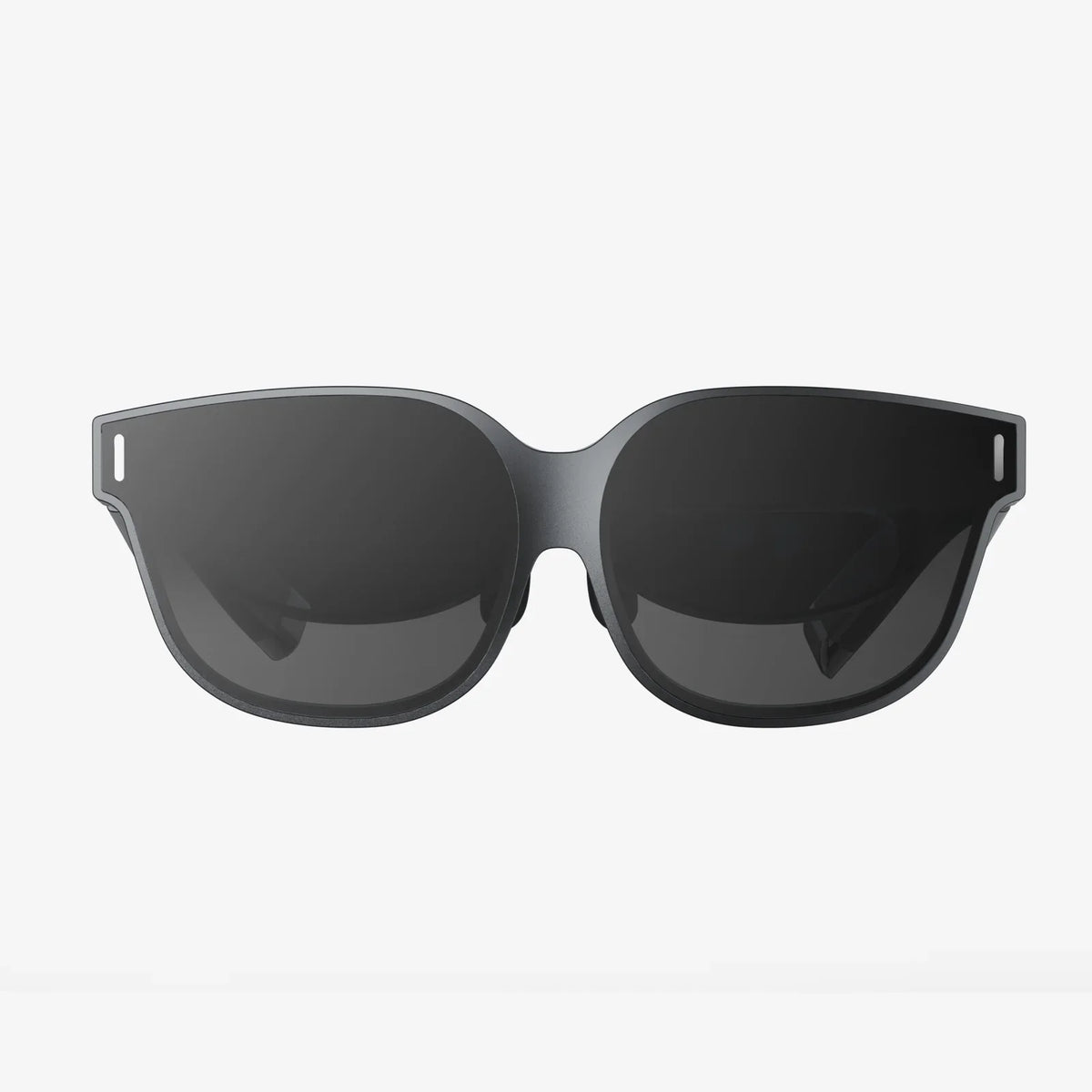
The trajectory of easy virtual reality points toward even greater integration into our daily lives. We are moving towards lighter, more comfortable headsets that resemble everyday glasses. Haptic feedback suits and gloves will deepen the sense of touch, and advancements in artificial intelligence will populate these worlds with increasingly believable characters. The line between the physical and the digital will continue to blur, not in a frightening way, but in a manner that enhances our human experience—making education more immersive, communication more profound, and entertainment more captivating.
The door to countless realities is now open, and it requires no special key, no technical manual, and no immense wealth. All it requires is a sense of curiosity. The complex, daunting technology of yesterday has gracefully evolved into the easy virtual reality of today—a inviting, intuitive, and incredible portal to the extraordinary. Your next adventure doesn't require a plane ticket, a gym membership, or a long drive; it's waiting for you right there on the couch. All you have to do is put on the headset and see what happens next.