


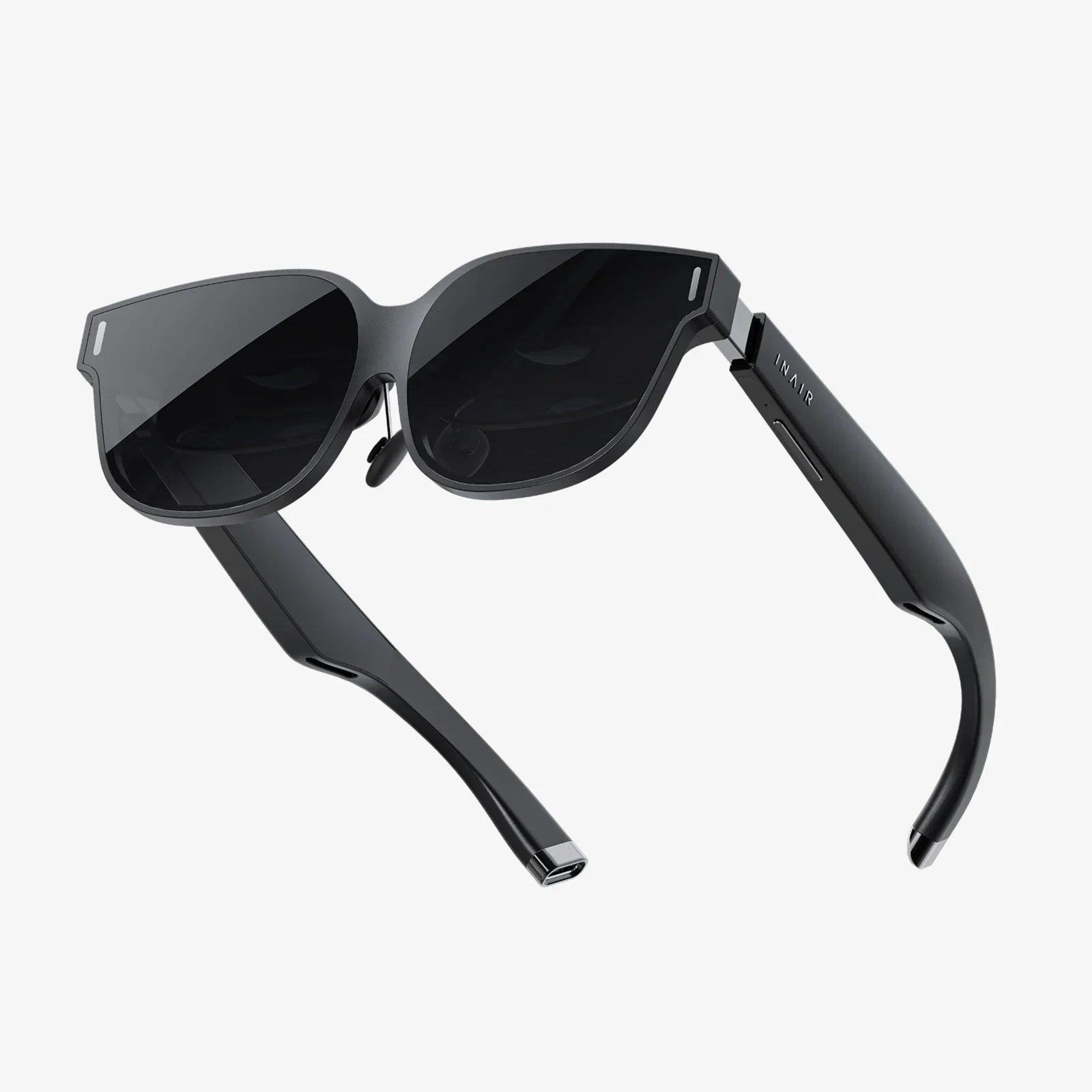
Imagine a world where your technology doesn't demand your attention but quietly enhances your reality. Where the line between the digital and physical blurs so seamlessly that you forget you're wearing a powerful computer. This isn't a distant sci-fi fantasy; it's the present and future being shaped by the relentless evolution of easy wearable tech. The promise is no longer just about what these devices can do, but how little effort they require to do it. The revolution is happening not in loud, disruptive bursts, but in quiet, intuitive whispers that integrate intelligence into the very fabric of our daily lives.
The Philosophy of Effortless Technology
The core tenet of easy wearable tech is a fundamental shift in design philosophy. For decades, technology was about features, specs, and raw power. The mantra was "more is more." This led to devices that were technologically impressive but often required a steep learning curve, constant charging, and a distracting level of engagement. Users had to adapt to the technology.
Easy wearable tech flips this script entirely. The new design principle is ambient intelligence—technology that is present and helpful but remains in the background until needed. It prioritizes intuition over instruction manuals, seamless integration over standalone functionality, and long-term wearability over flashy, one-off uses. This philosophy is built on three pillars:
- Intuitive Interaction: Controls are natural, often leveraging voice commands, subtle gestures, or automatic triggers based on context. The goal is to minimize screen time and tactile input.
- Seamless Connectivity: Devices don't operate as islands; they are part of a cohesive ecosystem that syncs effortlessly with your other gadgets, often without any manual pairing.
- Minimalist Design: Form factor is dictated by comfort and aesthetics for 24/7 wear, moving beyond the wrist to include rings, glasses, and even smart fabrics that look and feel like ordinary clothing.
Key Hallmarks of Truly Easy-to-Use Devices
How can you identify technology that embodies this philosophy? Look for these key characteristics that separate truly easy wearables from their more demanding predecessors.
Extended Battery Life and Simplified Charging
Perhaps the single biggest barrier to seamless wearability has been battery anxiety. A device you have to charge every night is a device you can't reliably use for sleep tracking. A gadget that dies by midday is useless. Easy wearable tech tackles this head-on with remarkable efficiency. We're seeing devices that last a week or more on a single charge, and the charging process itself has been simplified. Wireless charging pucks, magnetic connectors that snap into place effortlessly, and even solar-charging faces eliminate the fumbling with tiny ports. The ultimate goal—and one that is rapidly approaching—is self-powering devices that harvest energy from body heat, motion, or ambient light, making the charging ritual obsolete.
Contextual Awareness and Automation
A device that requires you to open an app and manually log an activity is not smart; it's just a sensor with a notification system. True intelligence lies in contextual awareness. Easy wearables use a suite of sensors—accelerometers, gyroscopes, GPS, heart rate monitors, microphones—to automatically detect what you're doing. They know when you start walking, running, or sleeping. They can detect a sudden fall or a change in your stress levels. This allows for powerful automation. Your device can silence notifications during your yoga session, prompt you to breathe deeply when it senses elevated stress, or automatically start tracking your morning run without a single tap. The technology anticipates your needs, acting as a proactive partner rather than a reactive tool.
Personalized and Actionable Insights
Data is useless without meaning. Early wearables bombarded users with endless graphs and raw numbers: sleep scores, step counts, heart rate variability. Easy wearable tech leverages artificial intelligence and machine learning to cut through the noise. Instead of just showing you that you slept for 7 hours, it explains the quality of that sleep and offers a simple, actionable tip, like "Try going to bed 15 minutes earlier tonight to improve your deep sleep." It doesn't just count steps; it learns your personal activity patterns and gently nudges you toward healthier habits that are actually attainable for you. This personalized feedback loop is delivered in digestible, easy-to-understand insights, making health and wellness management feel less like a chore and more like a natural part of your day.
The Expanding Universe of Form Factors
The wristwatch is just the beginning. The push for easier, more integrated technology has sparked innovation in where and how we wear our tech.
Smart Rings
These tiny, discreet devices pack impressive sensors into a band that fits on your finger. They excel at continuous health monitoring—particularly sleep tracking—due to their secure fit and the wealth of data available from the finger's blood vessels. They represent the ultimate in minimalist, forget-you're-wearing-it tech, offering a compelling alternative for those who find wristwatches uncomfortable or intrusive.
Smart Audio
Earbuds have evolved far beyond music playback. They are now powerful wearable computers that offer real-time language translation, immersive soundscapes for focus or relaxation, and instant access to voice assistants. They provide a private, always-available audio interface with the world, making information and assistance available literally at a whisper.
Smart Fabrics and Patches
This is the frontier of true invisibility. Researchers and companies are developing clothing with conductive fibers woven directly into the fabric, capable of monitoring posture, muscle activity, and vital signs. Disposable, sticker-like health patches can monitor patients remotely for days or weeks, providing clinical-grade data without the need for bulky hospital equipment. This form factor moves technology from something you wear to something that is a part of what you wear.
Overcoming the Final Hurdles: Privacy and the Digital Divide
As this technology becomes more integrated and personal, it raises important questions. The very devices that know our most intimate details—our health, our location, our daily routines—generate vast amounts of sensitive data. Ensuring robust data encryption, giving users clear and simple control over their information, and establishing transparent data usage policies are not just features; they are absolute necessities for the continued trust and adoption of easy wearable tech.
Furthermore, as the technology becomes more advanced, there is a risk of creating a new kind of digital divide—one based not on access to technology, but on the ability to afford the latest health-monitoring and life-enhancing wearables. The industry must strive for inclusivity, ensuring the benefits of this easy tech can be experienced broadly, not just by a privileged few.
The journey of wearable technology is a journey toward invisibility. It’s a pursuit of a future where technology is so intuitive, so seamlessly woven into our existence, that it feels less like a tool and more like a natural extension of our own human capabilities. We are moving beyond the age of the device and entering the age of the ambient, intelligent experience. The most powerful technology, it turns out, isn't the one that demands the most attention, but the one that empowers us to live our lives with less friction and more intention. The future on your wrist, in your ears, or woven into your clothes isn't about staring at a screen; it's about looking up and engaging with the world in a richer, healthier, and more connected way.
Share:
3D Model Maker: The Ultimate Guide to Crafting Digital Realities
Collaborative AR: The Future of Shared Experience and Collective Intelligence