


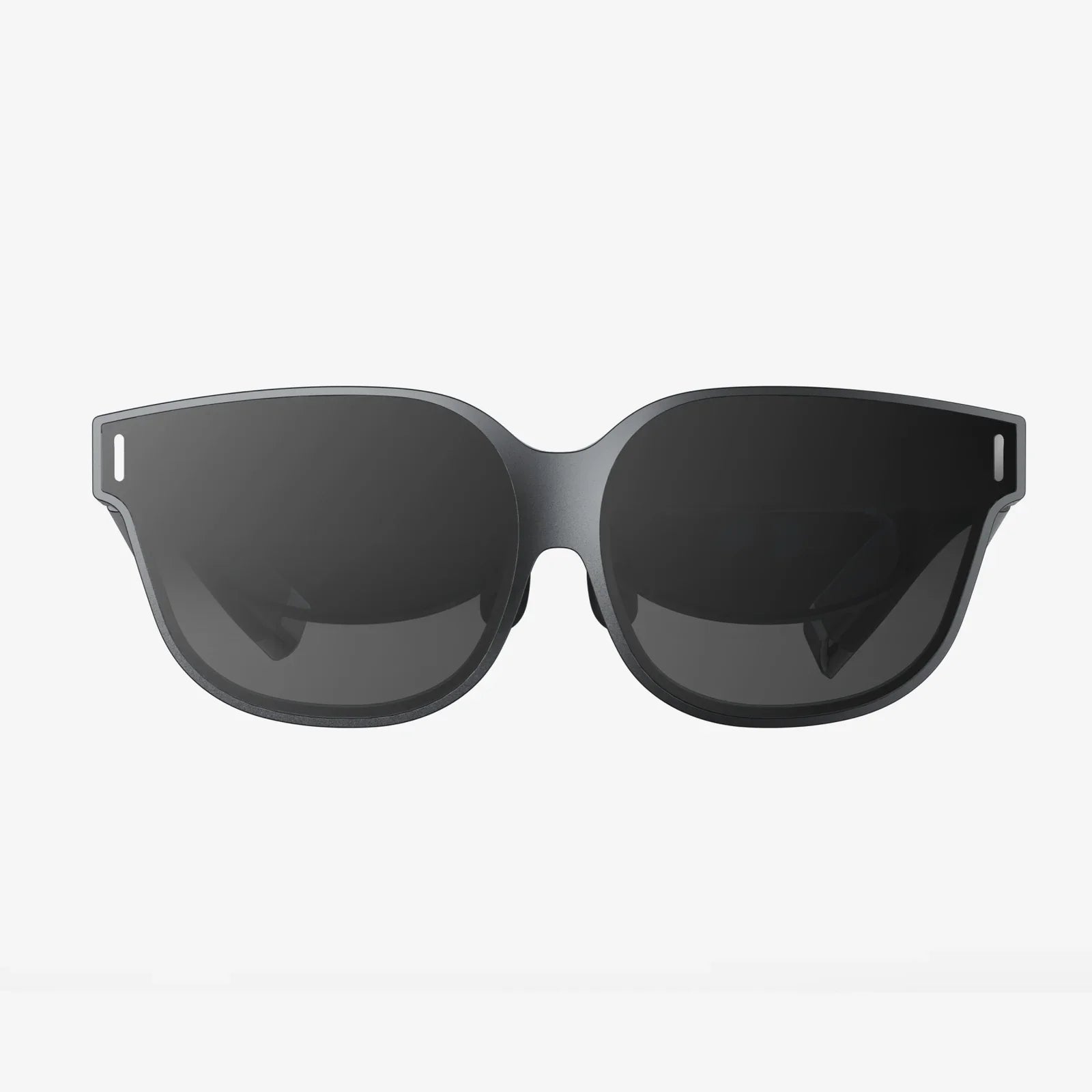
- by wangfred
Effectiveness of Virtual Reality: Beyond the Hype and Into Tangible Impact
- by wangfred
Imagine a technology so potent it can trick your brain into feeling phantom sensations, conquering deep-seated fears, or performing a complex heart surgery before ever touching a scalpel. This is not science fiction; it is the demonstrable and rapidly evolving effectiveness of virtual reality, a tool that is fundamentally reshaping how we learn, heal, and connect.
At the core of VR's effectiveness lies a single, powerful concept: presence. Often described as the "suspension of disbelief" taken to its logical extreme, presence is the undeniable, visceral sensation of being physically located in a digitally rendered environment. Unlike watching a screen, where you are an observer, VR makes you an inhabitant. This phenomenon is the engine that drives its impact across countless applications.
The human brain, despite its sophistication, is remarkably susceptible to well-crafted virtual stimuli. When you put on a headset and your visual and auditory fields are completely dominated by a virtual world, your cognitive systems are effectively hijacked. The brain begins to process the digital experience as if it were real. This triggers genuine physiological and psychological responses:
This ability to generate authentic experiences on demand is what separates VR from any other medium that has come before it. It is not merely a tool for visualization; it is a tool for experience.
Perhaps one of the most profound demonstrations of VR's effectiveness is in the field of mental health. Here, the power of controlled exposure and safe embodiment is saving lives and alleviating suffering.
For decades, exposure therapy has been a gold standard for treating anxiety disorders, phobias, and PTSD. Traditionally, this involved in vivo (real-life) exposure or imaginal exposure, where a patient visualizes a traumatic or fear-inducing scenario. Both have limitations; real-life exposure can be logistically difficult, expensive, and initially too overwhelming, while imaginal exposure can lack the intensity needed for effective desensitization.
VR provides a perfect middle ground: Virtual Reality Exposure Therapy (VRET). A therapist can gradually and systematically expose a patient to their triggers within a completely safe and controlled environment. For a patient with a fear of flying, they can progress from sitting in a static virtual airport lounge to experiencing a fully simulated turbulent flight, all from the therapist's office. The brain's limbic system reacts to the virtual threat as if it were real, allowing for genuine habituation and extinction of the fear response. The effectiveness of this approach is well-documented, showing success rates comparable to, and sometimes exceeding, traditional methods.
Beyond exposure, VR is pioneering new therapeutic frontiers through the concept of embodiment. Researchers have used VR to allow individuals to inhabit avatars to treat conditions like body dysmorphia or anorexia nervosa, helping them develop a healthier relationship with their self-image.
Furthermore, VR's power to foster empathy is staggering. Experiences that allow a person to "walk a mile in another's shoes"—such as simulating the life of a homeless person or experiencing the world with the auditory and visual hallucinations of schizophrenia—are powerful tools for building understanding and compassion in ways that films or books simply cannot match.
The age-old adage of "see one, do one, teach one" is being upended by VR. The effectiveness of virtual reality as a training simulator is revolutionizing fields where mistakes in the real world have serious consequences.
In medicine, VR training platforms allow aspiring surgeons to practice intricate procedures countless times without risk to a patient. They can explore detailed 3D models of human anatomy, peeling back layers of muscle and tissue to understand spatial relationships in a way textbooks cannot convey. Studies have shown that surgical residents who train in VR demonstrate significantly improved performance in the operating room, completing procedures faster and with fewer errors. This is not just about technical skill; it is about building confidence and clinical reasoning in a zero-risk environment.
This principle applies far beyond the operating theater. Pilots have used simulators for years, but VR makes them more accessible and realistic than ever. Now, firefighters can train for navigating zero-visibility, smoke-filled buildings. Police officers can de-escalate tense situations through role-playing with virtual humans. Mechanics can learn to repair complex machinery by taking it apart virtually first. The effectiveness lies in the transfer of learning—the skills and knowledge gained in the virtual environment directly and measurably improve performance in the real world.
In education, VR is transforming the classroom from a passive listening room into an active exploration hub. Instead of reading about ancient Rome, students can take a guided tour through a historically accurate reconstruction of the Forum. Instead of watching a video about the solar system, they can stand on the surface of Mars. This experiential learning boosts engagement, improves knowledge retention, and caters to a variety of learning styles. The effectiveness is measured in higher test scores and, more importantly, a genuine spark of curiosity and wonder.
The effectiveness of virtual reality is also profoundly practical in the worlds of design and business, saving time, money, and resources while fostering better outcomes.
For architects and interior designers, VR has become an indispensable tool. Clients no longer have to struggle to interpret 2D blueprints or even 3D models on a screen. They can don a headset and literally walk through their unbuilt home at a 1:1 scale. They can experience the flow of the space, judge the light from a window at different times of day, and make informed decisions about layouts and finishes long before construction begins. This prevents costly change orders and ensures client satisfaction.
Similarly, industrial designers and engineers use VR to prototype everything from cars to consumer electronics. They can test ergonomics, assess the assembly process, and identify design flaws in a virtual space, drastically reducing the need for physical prototypes and accelerating the development cycle.
As remote work becomes ubiquitous, VR presents a compelling alternative to flat video calls. Virtual meeting spaces allow distributed teams to collaborate as if they were in the same room. They can interact with 3D models, brainstorm on virtual whiteboards, and share a sense of spatial presence that fosters better communication and team cohesion. This sense of "being there" together is a significant step up from the disembodied tiles of traditional video conferencing, making meetings more productive and human-centric.
Despite its clear potential, quantifying the absolute effectiveness of virtual reality presents challenges. ROI must be measured not just in direct financial terms but in softer metrics:
Furthermore, challenges remain regarding hardware accessibility, the potential for simulator sickness in some users, and the need for high-quality, evidence-based content development. Not every VR experience is effective; poor design can undermine presence and lead to negative outcomes. The technology is a medium, not a magic bullet, and its effectiveness is entirely dependent on the quality of its application.
The true power of this technology lies not in its ability to help us escape our reality, but in its profound capacity to enhance it—offering safer surgeries, more effective therapies, deeper learning, and more intuitive design, all by mastering the art of the possible within the boundless digital realm.
Share:
What Are the Most Popular AI Tools: A Deep Dive Into the Digital Revolution
Virtual Reality Glasses What Do They Do - A Deep Dive Into The Digital Frontier