


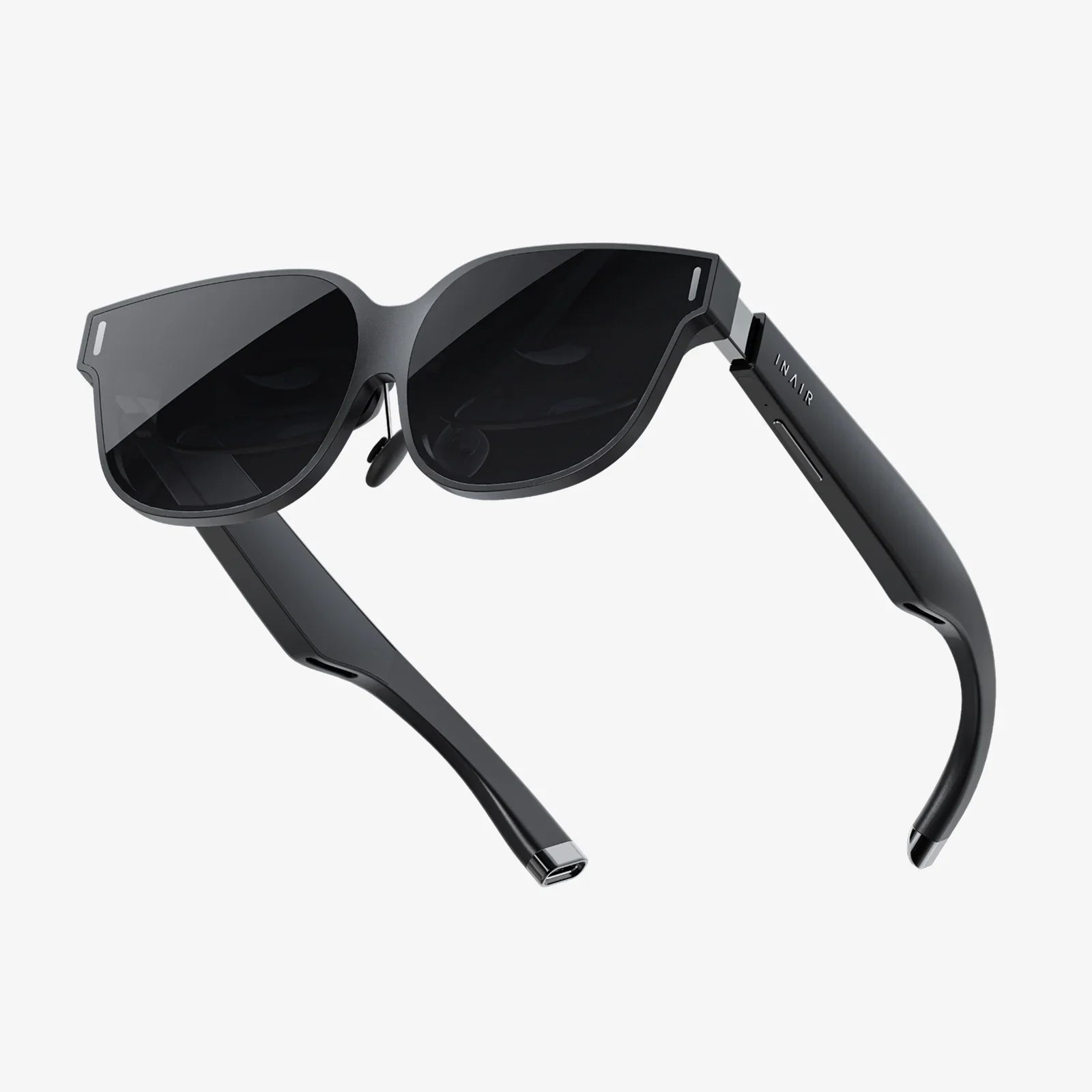
Imagine a device so visually striking, so seamlessly integrated into your environment, that its presence on your coffee table sparks curiosity rather than confusion. An object that whispers of luxury and capability, not plastic and wires. This is no longer a fantasy; the era of the elegant VR headset has arrived, promising to shatter the long-held stereotype of virtual reality as a bulky, isolating, and purely functional piece of gaming hardware. We are on the cusp of a design revolution where immersion begins not when you power on the device, but the moment you lay eyes on it.
The Form Function Divide: A History of Clunky Beginnings
The journey to elegance has been a long one. The first generations of consumer-grade virtual reality hardware were engineering marvels, to be sure, but they were designed with a single, overwhelming priority: function. They were testaments to raw technological potential, often featuring a bewildering array of sensors, external tracking pucks, thick, cumbersome cables, and bulky plastic shells that prioritized internal cooling and durability over aesthetics. They were, unequivocally, pieces of impressive tech gear. They lived in the same category as high-end gaming peripherals—admired by enthusiasts but designed with little consideration for the domestic space they occupied or the style statement they made.
This emphasis on pure function created a significant barrier to entry for a broader audience. For many, the idea of dedicating a room to a tethered, complex setup was impractical. For others, the aesthetic of the equipment was a turn-off; it felt too much like a specialized tool and not enough like a seamless portal to new experiences. The hardware, in its very design, screamed its purpose as a niche entertainment device, preventing virtual reality from being taken seriously as a platform for social connection, professional collaboration, or artistic expression beyond gaming.
Defining Elegance in a Digital Age
So, what exactly transforms a VR headset from merely functional to truly elegant? It is not merely a matter of slapping a metallic finish on plastic. Elegance in this context is a holistic design philosophy that harmonizes several key principles.
Minimalist Aesthetics and Premium Materials
Gone are the aggressive angles and complex surface textures. The elegant VR headset embraces a minimalist language: smooth, flowing curves, a balanced and lightweight form factor, and a neutral color palette. Think soft greys, matte blacks, and clean whites. More importantly, it leverages materials that feel as good as they look. This means brushed aluminum alloys, lightweight yet strong composites, and sustainable fabrics replacing cold, impersonal plastics. The touchpoints—the areas that contact the skin—are clad in memory foam, breathable meshes, and perhaps even vegan leather, elevating comfort to a premium experience.
Seamless Integration and Wireless Freedom
Elegance is synonymous with effortlessness. A truly sophisticated headset must be untethered, liberating the user from the tripping hazard and constant reminder of being plugged into a machine. True wireless connectivity with robust, low-latency performance is non-negotiable. Furthermore, the ecosystem surrounding the device must be seamless. Intuitive pairing processes, elegant docking stations that double as charging cradles and decorative pieces, and thoughtful storage solutions are all part of the package. The device should feel like a natural part of a modern, connected home or office, not an alien intrusion.
Unobtrusive and Socially Aware Design
Traditional headsets often completely isolate the user, creating a physical and social barrier. Modern, elegant designs are incorporating advanced passthrough camera technology that is so high-fidelity and low-latency it feels nearly transparent. This allows users to remain aware of their physical surroundings, to grab a drink without removing the headset, or to make eye contact with someone in the room. Some concepts even explore outward-facing displays or subtle LED indicators that communicate the user's status—immersed, available, in a meeting—bridging the gap between the virtual and real worlds and making the technology less isolating and more socially acceptable.
The Engineering Marvels Behind the Beauty
This pursuit of elegance is not a superficial endeavor; it is one of the most demanding engineering challenges in the industry. Creating a device that is both lighter, smaller, and more powerful requires groundbreaking innovation.
The most significant battle is against physics itself. Higher-resolution displays, wider fields of view, and more powerful processors generate immense heat. Designing an effective cooling system that is both silent and fits within a slim, non-vented profile is a monumental task. Engineers are pioneering new methods of heat dissipation, using advanced materials like vapor chambers and thermally conductive composites to manage temperatures without bulky fans or vents.
Similarly, the quest for visual fidelity is relentless. The goal is to achieve "retina" quality resolution—where the human eye can no longer discern individual pixels—within a compact optical stack. This has led to the development of revolutionary pancake lenses, which use a folded optics path to drastically reduce the distance between the display and the user's eyes, slimming down the headset's profile significantly. These lenses are more complex to manufacture and require incredibly bright displays to compensate for light loss, but the payoff is a sleek form factor without compromise.
Beyond the Hardware: The Software of Sophistication
Elegance is not skin deep. The most beautiful hardware in the world is rendered clumsy by a poorly designed software interface. The user experience (UX) must reflect the same design principles as the physical device.
The interface of an elegant VR system is intuitive, clean, and responsive. It avoids visual clutter and confusing menus. Navigation should feel natural, perhaps using intuitive gesture controls or eye-tracking to reduce reliance on abstract button presses. The virtual home environment should be a calm, beautiful, and customizable space, not a noisy arcade. This seamless software experience completes the illusion, making the technology itself fade into the background and allowing the user to focus entirely on the content and the experience.
A New Dawn for Virtual Reality Applications
By shedding its geeky, cumbersome image, the elegant VR headset opens doors to applications far beyond its original scope. When the hardware is no longer a barrier, its potential as a true tool for work and life flourishes.
- **The Virtual Office:** Imagine attending a holographic meeting where your colleagues' avatars are photorealistic, and you can collaboratively manipulate 3D models as if they were physically present. An elegant, comfortable headset makes prolonged use in a professional setting a realistic proposition.
- **Design and Architecture:** Architects and interior designers can walk clients through immersive, full-scale renderings of unbuilt spaces. The ability to effortlessly don a stylish headset in a boardroom makes this technology more palatable and impressive for high-stakes client presentations.
- **Social Connection:** Virtual social spaces become more appealing when the experience is centered on connection rather than the technology facilitating it. Elegant hardware makes attending a virtual concert or catching up with friends in a digital environment feel like a natural, sophisticated form of communication.
- **Fitness and Wellness:** A lightweight, secure, and sweat-resistant headset is perfectly suited for immersive fitness applications, from cycling through virtual landscapes to following a yoga instructor in a serene digital studio.
The Future We Put On
The evolution towards elegance signifies a critical maturation for virtual reality. It is the transition from a compelling prototype to a refined product, from a hobbyist's passion to a mainstream lifestyle choice. This shift in design philosophy acknowledges that for technology to be truly integrated into our lives, it must appeal to us on a human level—it must respect our aesthetics, our social norms, and our desire for simplicity and beauty.
The elegant VR headset is no longer just a window into virtual worlds; it is a statement. It declares that the future of computing is not just about raw power, but about the graceful, almost invisible, fusion of technology and humanity. It promises a world where we are not weighed down by our tools, but empowered by them, able to step between realities as easily as putting on a pair of sunglasses. The next digital revolution won't be held in your hand; it will be worn on your face, and it will be beautiful.
Share:
Can iPhone X Do VR? A Deep Dive Into Mobile Virtual Reality Potential
VR Headset for PC Cheapest: Your Ultimate Guide to Affordable Immersion