


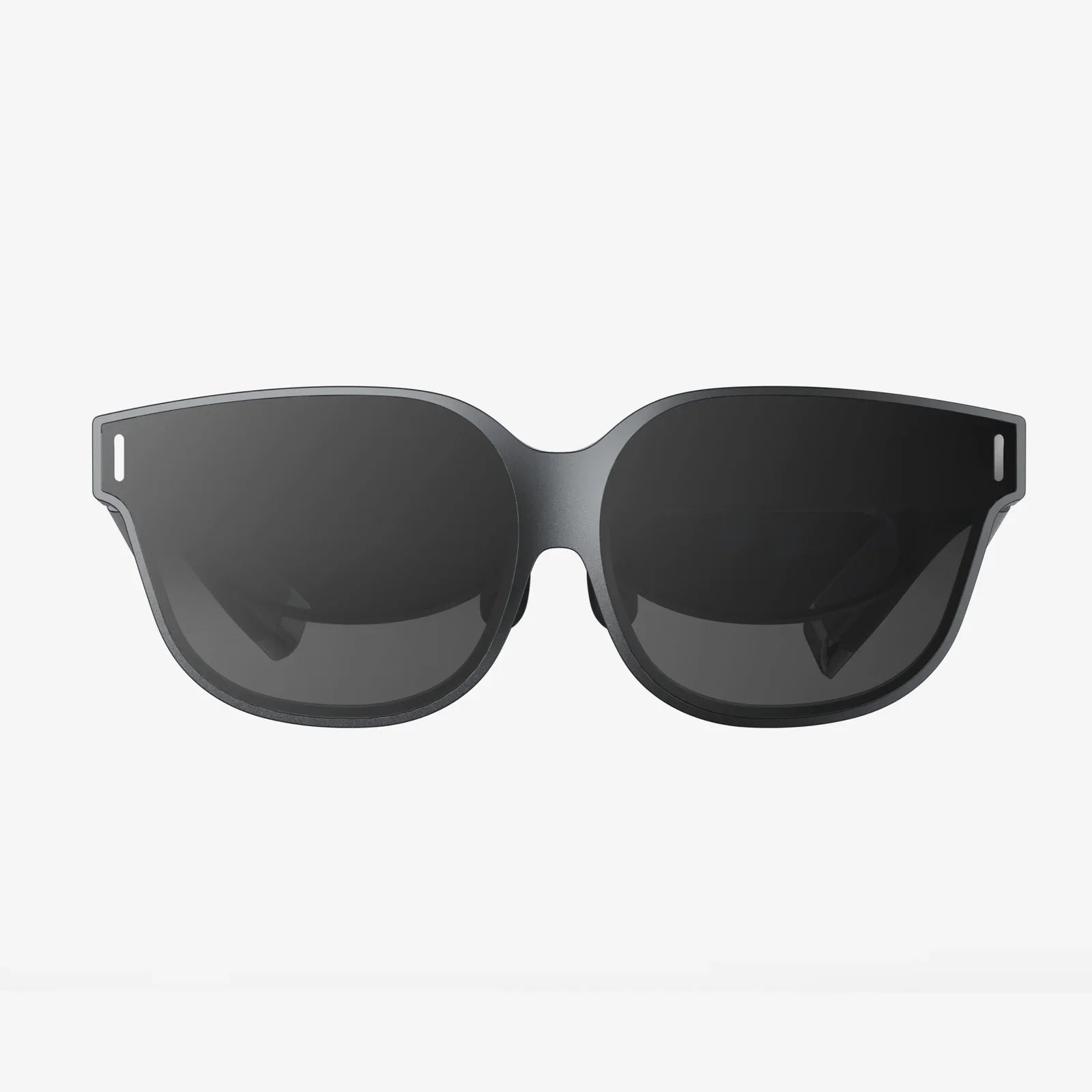
Imagine an online shopping experience so rich, so detailed, and so intuitive that the simple act of clicking 'add to cart' feels less like a transaction and more like a certainty. A world where the lingering doubts that plague e-commerce—Is this the right size? How does that fabric really feel? Will it fit with my existing decor?—are eradicated not by a leap of faith, but by an abundance of crystal-clear, accessible information. This is no longer a futuristic fantasy; it is the present and future being built today on the foundation of enhanced digital product content (EDPC), the most critical, yet often overlooked, engine driving the next generation of online retail.
Beyond the Pixel: Deconstructing Enhanced Digital Product Content
At its core, enhanced digital product content is the evolution of basic product information into a dynamic, multi-sensory, and deeply informative asset suite. It is the qualitative leap from a static photograph and a bullet-point list to a holistic digital representation of a physical item.
Where basic product content answers the question 'What is it?', enhanced digital product content answers 'What is it like?' and 'How will it work for me?'. This distinction is the chasm between a simple digital catalog and a persuasive, trust-building sales environment.
The Pillars of EDPC
- Visual Fidelity and Immersion: This extends far beyond a few standard gallery images. It encompasses ultra-high-resolution zoomable images that reveal texture and craftsmanship, 360-degree spin views that offer a complete inspection from every angle, and interactive videos that demonstrate the product in use. The goal is to replicate the physical act of picking up an item and examining it.
- Rich and Structured Data: This is the semantic backbone of EDPC. It involves moving from unstructured text to machine-readable, categorized data. Detailed specifications (materials, dimensions, weight, care instructions), attributes (color, pattern, style), and compatibility information are tagged and organized. This not only informs the human shopper but also powers advanced site functionalities like comparison tools, precise filtering, and personalized recommendations.
- Contextual and Lifestyle Application: A chair is just a chair until it's seen in a beautifully furnished living room. A blender is just an appliance until it's shown pureeing ingredients for a smoothie. EDPC uses lifestyle imagery and video to place the product within a narrative, helping the customer visualize it not as an isolated object, but as an integrated part of their life.
- User-Generated and Social Proof: Integrating customer photos, videos, and reviews directly into the product page transforms marketing claims into social validation. This content is perceived as authentic and trustworthy, significantly reducing purchase anxiety.
- Customization and Interactivity: For many products, the ability to customize is a key driver. EDPC can include tools that allow users to change colors, materials, or configurations in real-time, seeing their choices rendered instantly. Augmented Reality (AR) previews represent the pinnacle of this, enabling customers to project a life-size 3D model of a product into their own space via their smartphone camera.
The Tangible Impact: Why Investing in EDPC is Non-Negotiable
The development of high-quality enhanced digital product content requires investment—in photography, videography, data management, and technology. However, this investment is returned multifold through key performance indicators that directly affect the bottom line.
Supercharging Conversion Rates
The primary goal of any e-commerce site is to convert browsers into buyers. Uncertainty is the single greatest barrier to conversion. EDPC systematically dismantles this uncertainty by providing the information shoppers crave. The data is unequivocal: product pages featuring video can see conversion rate increases of over 80% compared to those without. Pages with 360-degree spin imagery can see returns reduced by up to 40%, as customers have a more accurate expectation of the product they will receive. By answering questions before they are asked, EDPC builds confidence and shortens the path to purchase.
Driving Down Return Rates
Product returns are a cancer on e-commerce profitability, eroding margins through reverse logistics, restocking costs, and potential product devaluation. A significant percentage of returns are categorized as 'not as described' or 'does not fit.' EDPC is the most potent antidote. Detailed size guides with interactive fit tools, precise dimensional data, accurate color representation under different lighting conditions, and videos showing the true scale of a product all work in concert to set perfect expectations. When a customer knows exactly what they are getting, the likelihood of a return plummets.
Building Unshakeable Brand Trust and Authority
In a digital marketplace saturated with options, trust is the ultimate currency. A brand that invests in transparent, detailed, and helpful product content signals that it values the customer's informed decision-making. This transparency fosters loyalty and positions the brand as an authoritative leader in its category. Customers remember and return to retailers that make shopping easy, confident, and free from unpleasant surprises.
Amplifying Discoverability and SEO
Search engines are increasingly sophisticated in their mission to understand user intent and deliver the most relevant results. Enhanced content, particularly in the form of structured data markup (like Schema.org), gives search engines a rich, clear understanding of what a product is and its key attributes. This improves indexing and can lead to enhanced search listings, known as rich snippets, which feature ratings, prices, and availability directly in the search results. This increased visibility drives more qualified organic traffic to product pages.
The Engine Room: Technologies Powering the EDPC Revolution
The creation and management of EDPC are not manual endeavors. They are powered by a suite of technologies that streamline production, ensure consistency, and enable delivery across a multitude of sales channels.
Product Information Management (PIM) Systems
A PIM system is the central nervous system for EDPC. It serves as a single source of truth for all product information, from basic SKUs and descriptions to high-resolution assets, marketing copy, and technical specifications. PIM systems allow for the efficient enrichment of product data, ensure brand consistency across all touchpoints, and simplify the complex process of syndicating this content to e-commerce websites, marketplaces, social media platforms, and print catalogs.
3D Modeling and Augmented Reality
Advanced 3D modeling software allows for the creation of photorealistic digital twins of physical products. These models are incredibly versatile assets. They can be rendered into countless high-quality images from any angle, used to create seamless 360-degree spins, and form the basis for interactive web configurators. Most powerfully, they are the source files for AR experiences, allowing customers to visualize products in their own homes at scale, a feature that has been shown to increase conversion rates and dramatically reduce returns for furniture, decor, and appliances.
Automated Content Generation and Syndication
Emerging technologies, including AI, are beginning to play a role in scaling EDPC creation. AI can assist in generating product descriptions, tagging images automatically, and even creating basic video content. Furthermore, syndication platforms can automatically adapt and format enriched product content to meet the specific technical requirements of dozens of different retail channels, from major online marketplaces to social media shopping platforms, ensuring a consistent brand experience everywhere.
Navigating the Challenges: The Path to Successful EDPC Implementation
For all its benefits, implementing a robust EDPC strategy is not without its hurdles. Organizations must navigate several key challenges.
Overcoming Organizational Silos
Product information has traditionally been scattered across an organization—in spreadsheets on a marketing manager's desktop, in image folders on a photographer's drive, in the memory of product designers. Breaking down these silos and establishing a centralized, cross-functional workflow for content creation and approval is a critical first step. It requires buy-in from leadership and a cultural shift towards viewing product content as a strategic corporate asset.
Taming the Volume and Complexity
For retailers with thousands or even millions of SKUs, the task of enhancing content for every product can seem daunting. The key is prioritization. A common strategy is to focus on high-value products (best-sellers, high-margin items, new releases) first, and then systematically work through the catalog. Adopting a scalable production process, often involving specialized studios and DAM/PIM technology, is essential to manage this volume efficiently.
Ensuring Accessibility for All
An enhanced experience must also be an inclusive one. EDPC must be designed with accessibility at its core. This includes providing alternative text for all images, captions and transcripts for videos, and ensuring that interactive tools are navigable via keyboard and compatible with screen readers. Making EDPC accessible isn't just a legal or ethical imperative; it opens up a product to a wider audience and improves the experience for every user.
The Future is Now: Where Enhanced Digital Product Content is Headed
The trajectory of EDPC points towards even greater immersion, personalization, and data integration. We are moving towards a post-screen shopping experience.
The maturation of AR will see virtual try-on for apparel, accessories, and cosmetics become standard practice. Imagine not just seeing a sofa in your room, but trying on a pair of jeans that digitally fit your avatar, customized to your exact measurements. The lines between the physical and digital marketplaces will continue to blur.
Furthermore, EDPC will become dynamically personalized. Using data from a user's past behavior, preferences, and even current context, product pages will automatically surface the most relevant media and information. For one user, it might highlight a video demonstration; for another, it might prioritize technical specifications and compatibility charts.
Finally, the integration of EDPC with the broader ecosystem of the Internet of Things (IoT) is a fascinating frontier. A product page for a smart appliance could show not just a promotional video, but a real-time data feed from a similar unit in a showroom, demonstrating its energy efficiency or current cycle, creating an unprecedented level of transparency and live social proof.
The silent struggle for the customer's confidence is won not by flashy discounts or aggressive advertising, but by the quiet power of perfect information. In the vast and often anonymous digital marketplace, enhanced digital product content has become the most critical tool for building trust, closing sales, and forging lasting customer relationships. It is the definitive answer to the inherent limitations of online shopping, transforming the digital storefront from a mere display case into an immersive, informative, and utterly convincing preview of ownership. The retailers who master this language of detail and immersion will not just win the sale today—they will define the standard for customer experience tomorrow.
Share:
Wearable Device Accessories: The Ultimate Guide to Unlocking the Full Potential of Your Tech
Augmented Reality Glasses Price in India: A 2024 Buyer's Deep Dive