


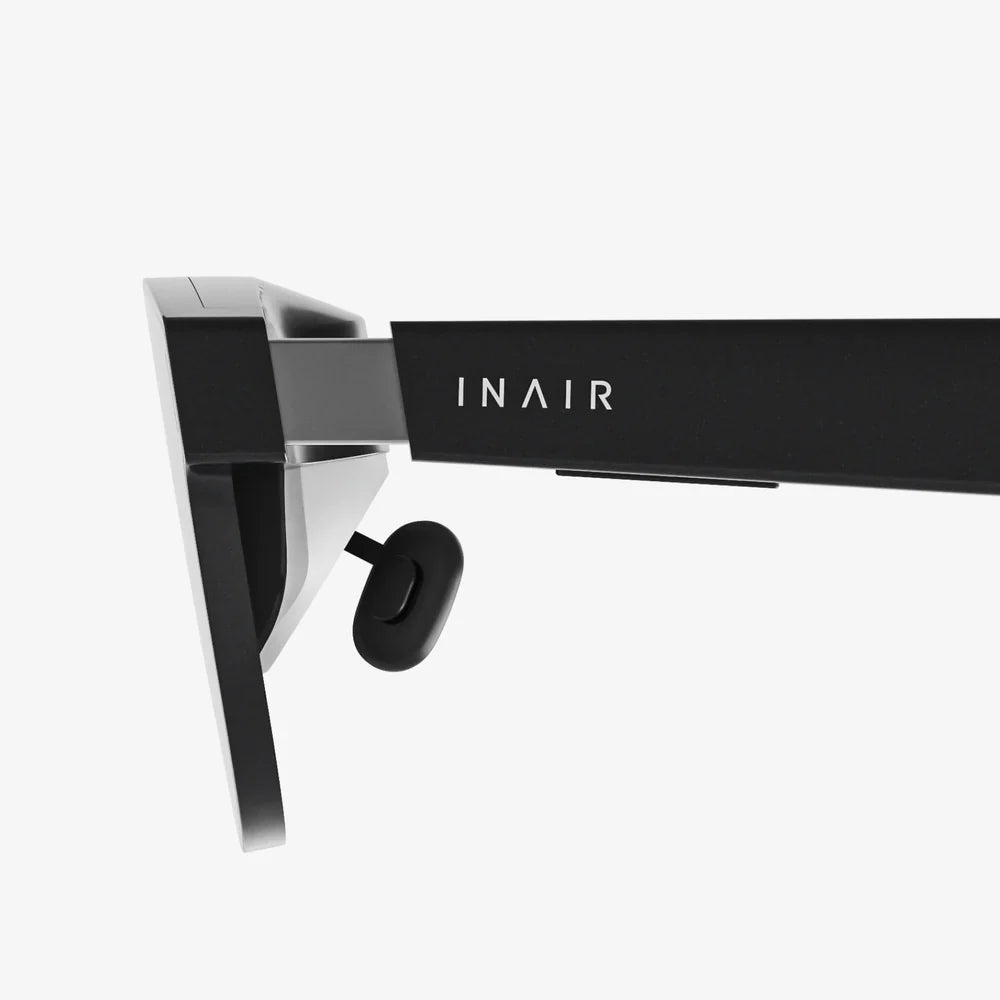
Imagine a world where the line between the digital and the physical doesn't just blur—it disappears. Where information doesn't live on a screen in your pocket but is woven into the very fabric of your reality, accessible with a glance, a whisper, or a thought. This is the profound promise, the silent revolution, being built not by a single device, but by an entire emerging category of technology. The journey to this future is being charted by innovators pushing the boundaries of what's possible, aiming to create a product so intuitive and so powerful that it becomes an invisible extension of our own cognition.
Beyond the Gimmick: From Novelty to Necessity
The concept of overlaying data onto our vision is not new. For years, early iterations of this technology captured imaginations but often failed to capture a lasting market. They were bulky, socially awkward, battery-hungry, and offered limited functionality that rarely justified their intrusion into daily life. They were solutions in search of a problem, often perceived as expensive toys for tech enthusiasts rather than transformative tools.
Today, that narrative is shifting dramatically. The convergence of several critical technological advancements has created a fertile ground for a true renaissance in wearable augmented reality (AR). We are moving beyond the gimmick and toward genuine utility. The modern vision for these devices is no longer about isolating the user in a digital world, but about enhancing their experience of the real one. This fundamental shift in philosophy—from virtual escape to augmented reality—is what separates the current generation from its predecessors.
The Architectural Pillars of Modern Smart Glasses
Creating a device that can seamlessly merge realities is perhaps one of the most formidable engineering challenges of our time. It requires a symphony of advanced technologies working in perfect harmony.
The Display: Windows to an Augmented World
At the heart of any AR glasses experience is the display technology. The goal is deceptively simple: project crisp, bright, and stable digital images onto the user's retina so they appear to coexist with the physical environment. This is typically achieved through one of two primary methods: waveguide optics or microLED projectors. Waveguides use microscopic gratings to bend light from a projector into the eye, allowing for sleek, eyeglass-like form factors. The challenge lies in achieving a wide field of view, high brightness for outdoor use, and true color fidelity without sacrificing aesthetics.
Processing Power and Artificial Intelligence
What the user sees is only half the story. The real magic happens behind the scenes. These devices are packed with sophisticated sensors—cameras, depth sensors, accelerometers, gyroscopes—that constantly scan and interpret the environment. This massive, real-time data stream requires immense onboard processing power, often assisted by specialized AI chips. This neural processing unit (NPU) is responsible for tasks like simultaneous localization and mapping (SLAM), which allows the glasses to understand their position in 3D space, object recognition, gesture tracking, and natural language processing. It is this AI brain that transforms raw sensor data into contextual, useful information.
Audio Revolution: Spatial Sound and Privacy
Immersive augmentation is not a purely visual experience. Audio plays a crucial role. Advanced audio systems use bone conduction or miniature directional speakers to deliver sound directly to the user's ears without blocking ambient noise. This allows for spatial audio—where a notification or a caller's voice can sound like it's coming from a specific point in the room—and private listening, ensuring personal conversations or audio feedback remain confidential. This technology ensures the user stays connected to both the digital and physical auditory landscapes simultaneously.
The Seamless Synthesis of Realities
The ultimate measure of success for this technology is not its technical specifications, but its ability to fade into the background of our lives. The ideal experience is one of effortless synergy.
- Contextual Awareness: Imagine walking through a foreign city. Your glasses, understanding your location and what you're looking at, subtly highlight the best route to your next destination, translate a street sign in real-time, or overlay historical information about a monument as you gaze upon it. The information appears only when needed and disappears when not, activated by your gaze and curiosity.
- Intuitive Interaction: Interacting with this digital layer should feel natural. Voice commands allow for hands-free operation. Subtle, predefined gestures—a pinch of the fingers, a swipe in the air—can control menus or select objects. The most advanced systems are exploring neural interfaces that can detect faint electrical signals from the brain, potentially allowing for control through intention alone.
- Persistent Digital Layers: This technology could enable a world where every physical space has a digital twin accessible only through these lenses. A conference room could have a persistent digital whiteboard; a museum exhibit could come alive with animated figures; a complex engine part could have instructional diagrams pinned to its components for a mechanic.
Transforming Industries and Redefining Work
The applications for this technology extend far beyond consumer convenience. They are poised to become indispensable tools across numerous professional fields, revolutionizing workflows and enhancing human capability.
- Healthcare: Surgeons could access vital signs, MRI scans, or procedural checklists hands-free during operations. Medical students could practice complex procedures on digital overlays. Remote specialists could guide on-site personnel by literally drawing instructions into their field of view.
- Manufacturing and Field Service: A technician repairing a complex machine could see torque specifications, wiring diagrams, and a list of required parts overlaid directly on the equipment. They could receive remote expert guidance with annotations appearing in their visual space, drastically reducing errors and training time.
- Design and Architecture: Architects and interior designers could walk through full-scale, interactive 3D models of their creations before a single foundation is poured. They could change materials, move walls, and test lighting conditions in real-time, all within the physical space.
The Human Factor: Navigating the Social and Ethical Landscape
With such transformative power comes a host of complex questions that society must grapple with. The path to adoption is not merely technological; it is social and ethical.
- Privacy and The Societal Gaze: Devices with always-on cameras and sensors understandably raise profound privacy concerns. The potential for unauthorized recording, facial recognition, and data collection is significant. Clear and transparent rules, both social and legal, must be established. Features like recording indicator lights that are visible to others and strict data anonymization protocols will be non-negotiable for building public trust.
- The Digital Divide: Will this technology become a great equalizer, providing instant access to information and expertise for all, or will it create a new chasm between those who can afford this augmented layer of reality and those who cannot? Ensuring equitable access and preventing a new form of digital exclusion will be a critical challenge.
- Social Etiquette and Presence: The etiquette of wearing AR glasses in social situations is yet to be written. Is it rude to wear them during a conversation? How do we know if someone is listening to us or watching a video? Developing new social norms and designing devices that make user intention clear—perhaps through explicit "social mode" settings—will be essential for harmonious integration.
A Future Forged in Glass and Light
We stand at the precipice of a new era of human-computer interaction. The development of truly smart glasses represents a fundamental shift away from the handheld rectangle that has dominated our attention for the past two decades. It is a move toward a more ambient, contextual, and human-centric form of computing. The goal is not to capture our gaze but to liberate it, to provide information without demanding isolation.
The full realization of this vision may still be a few years away, requiring further miniaturization of components, breakthroughs in battery life, and the creation of a robust ecosystem of apps and services. But the direction is clear. The future is not about escaping into a virtual world; it's about bringing the power of the digital world into ours, enhancing our perception, amplifying our abilities, and deepening our connection to the environment around us. The revolution won't be televised; it will be illuminated, right before our eyes.
This isn't just about a new gadget; it's about rearchitecting the very interface between humanity and information. The companies and engineers driving this field are quietly building the lenses through which we will eventually view our world, work, and each other. The question is no longer if this future will arrive, but how quickly we can prepare for the day when the most powerful computer we interact with is the one we forget we're even wearing.
Share:
Wearable Device Project: Navigating the Journey from Concept to Connected Reality
Wearable Mobile Computers: The Dawn of a Seamless Digital Existence