


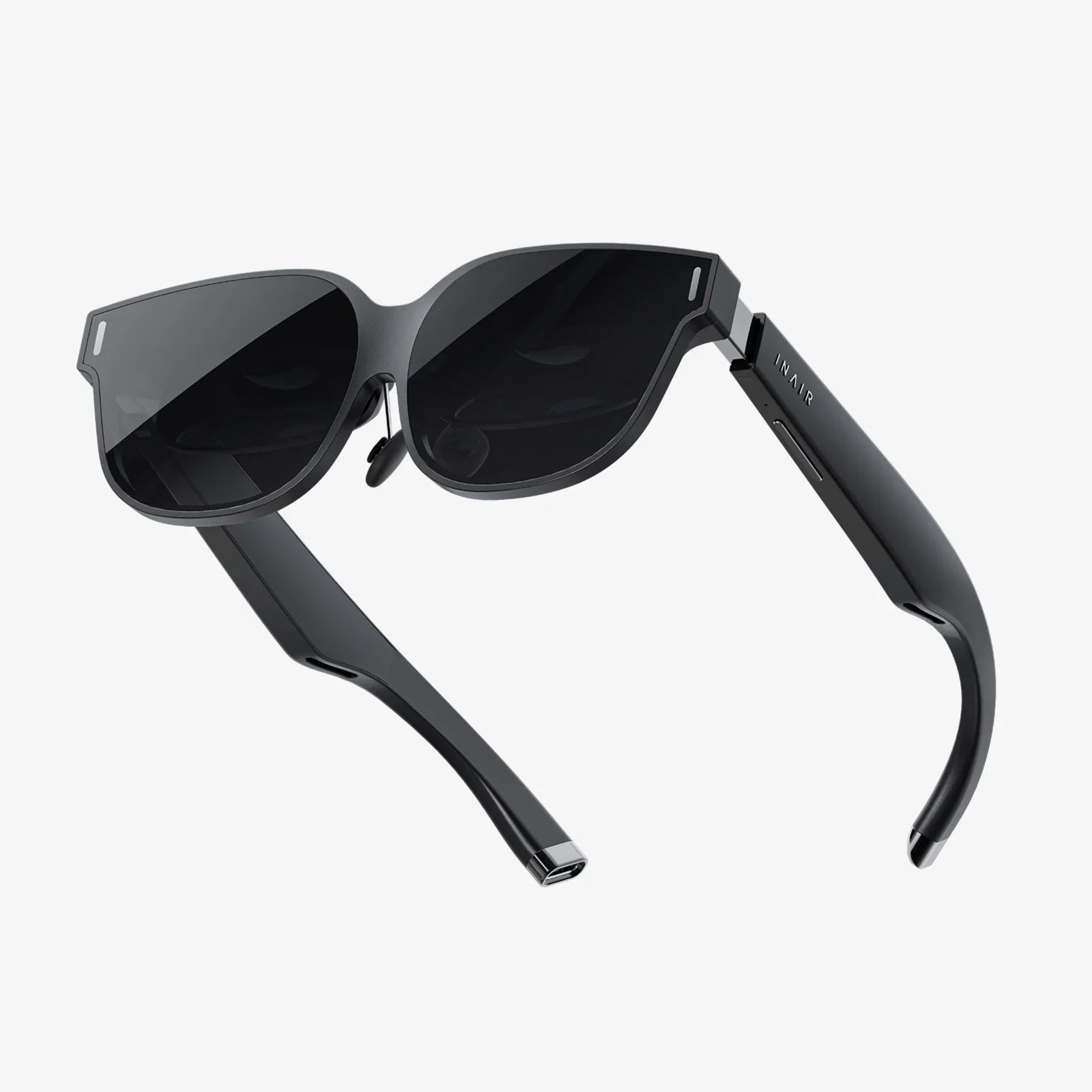
Imagine a world where your entire office, your entertainment center, and your connection to global knowledge fits snugly in your backpack or even your pocket. This isn't science fiction; it's our reality, powered by the relentless evolution of portable computers. From clunky luggables to sleek, powerful machines that defy their size, the journey of portable computing is a fascinating tale of innovation, miniaturization, and profound societal change. This exploration will dive deep into the myriad examples that have shaped how we work, play, and connect, proving that the most powerful ideas are no longer tethered to a desk.
The Pioneers: Setting the Stage for Mobility
Before the ubiquity of sleek devices, portable computing began with ambitious, albeit heavy, first steps. These early machines were less about convenience and more about the mere possibility of moving a computer from one location to another.
The Luggable Computers
In the early 1980s, the concept of a portable computer was often synonymous with the "luggable." These devices, like the iconic Osborne 1, weren't designed for lap use but were essentially compact versions of desktop systems with built-in CRT monitors. They resembled large, heavy suitcases and weighed over 20 pounds. Despite their heft, they were revolutionary because they integrated the CPU, monitor, and storage into a single, transportable unit, proving that computing power could indeed be on the move.
The Rise of the True Laptop
The transition from luggable to laptop was marked by a critical innovation: the clamshell design with a flat-screen LCD display. The Grid Compass 1101, though astronomically expensive, is widely credited as the first true laptop, utilizing this form factor. It set the standard for future designs, prioritizing a footprint that could actually be used on one's lap. Japanese manufacturers soon followed with more affordable and popular models, cementing the clamshell design that remains dominant today. These machines featured integrated keyboards, trackballs or pointing sticks, and increasingly capable hardware, making them genuine alternatives to desktop computers.
The Modern Laptop: A Spectrum of Power and Portability
Today, the term "laptop" encompasses a wide range of devices, each optimized for different needs and users. The evolution has splintered into several distinct categories.
Ultrabooks and Thin-and-Light Laptops
These represent the pinnacle of portability within the full-featured laptop segment. Defined by their incredibly slim profiles, lightweight construction, and premium materials like aluminum and carbon fiber, Ultrabooks prioritize style and mobility without significant compromise on performance. They typically feature solid-state drives for fast boot times, low-power processors that extend battery life, and high-resolution displays. They are the ideal companion for professionals and students who are constantly on the move.
Gaming Laptops
On the opposite end of the portability spectrum are gaming laptops. These are portable computers in the sense that they are integrated units, but they often trade slim designs for raw power and advanced cooling systems. They pack high-end, dedicated graphics processing units (GPUs), high-refresh-rate displays for smooth gameplay, and RGB-backlit keyboards. While they are heavier and have shorter battery life than Ultrabooks, they offer a desktop-level gaming experience that can be transported to LAN parties or between homes.
Business and Workstation Laptops
Durability, security, and serviceability are the hallmarks of this category. Designed for enterprise environments, these laptops often feature reinforced chassis, spill-resistant keyboards, and long-term reliability. They are equipped with professional-grade GPUs for engineering and scientific applications, vPro processors for remote management, and a suite of security features like fingerprint readers, smart card readers, and hardware-based encryption. Their design philosophy favors function and robustness over sleek aesthetics.
Convertible 2-in-1 Laptops (Hybrids)
Blurring the line between laptop and tablet, the convertible 2-in-1 is a versatile example of modern portable computing. They come in two primary designs: detachables, where the screen completely separates from the keyboard base to become a standalone tablet, and convertibles with hinges that allow the screen to rotate 360 degrees, folding back into "tablet mode." This flexibility makes them perfect for content consumption, note-taking with a stylus, and presentations, offering the full power of a laptop with the tactile convenience of a tablet.
Beyond the Laptop: Specialized and Nobile Portables
The ecosystem of portable computing extends far beyond the traditional laptop form factor, catering to even more specific use cases.
Ruggedized Laptops
For environments where standard electronics would fail, ruggedized laptops are essential. Built to military standards (MIL-STD-810G), these devices are engineered to withstand extreme conditions, including: drops onto concrete, exposure to rain and humidity, operation in extreme temperatures, and resistance to dust and vibrations. They are crucial for field service technicians, military personnel, emergency responders, and researchers working in harsh outdoor environments.
Portable Workstations
These are the powerhouses of mobile computing. Aimed at professionals in fields like architecture, engineering, data science, and video editing, portable workstations feature server-grade CPUs, immense amounts of RAM (often expandable to 128GB or more), and high-end professional GPUs certified for specific applications like CAD or 3D rendering. They provide the computational power of a desktop tower in a (relatively) portable form factor, enabling complex work to continue outside the office.
The Tablet Revolution: Computing at Your Fingertips
Spurred by the launch of a revolutionary device in 2010, the modern tablet PC redefined portable computing for the masses. Tablets prioritize touch interaction above all else, offering an intuitive and direct interface for consuming media, browsing the web, and using mobile applications.
Slate Tablets
This is the purest form of a tablet: a flat, slate-like device with a touchscreen interface, relying entirely on virtual keyboards or optional accessories for text input. Their extreme portability, long battery life, and instant-on functionality make them ideal for reading, watching videos, and casual gaming. High-end models now rival traditional laptops in processing power, capable of running sophisticated creative software when paired with a stylus.
Gaming Tablets
A emerging subcategory, gaming tablets are optimized for a premium mobile gaming experience. They feature high-performance chipsets, active cooling systems to sustain performance, and displays with high refresh rates (120Hz or 240Hz) for ultra-smooth visuals. They often have better battery life for gaming sessions than smartphones and a larger screen for immersive gameplay, positioning themselves as a dedicated portable gaming platform.
The Smartphone: The Ultimate Portable Computer
It is impossible to discuss examples of portable computers without acknowledging the most pervasive one: the smartphone. This device, carried by billions, is a powerful computer that happens to make phone calls. It contains a CPU, GPU, RAM, solid-state storage, multiple wireless radios, and a high-resolution touchscreen display—all the core components of a computer. It runs a complex operating system capable of multitasking and running millions of applications. For a vast number of people, it is their primary, and sometimes only, device for accessing the internet, managing email, navigating with GPS, taking photos, and handling everyday tasks. It is the ultimate expression of the portable computer's goal: putting immense computational power directly into the user's hand, anytime, anywhere.
Choosing the Right Portable Computer for Your Needs
With this vast array of options, selecting the right device depends on carefully balancing several factors:
- Purpose: Is it for web browsing and media? Get a tablet or thin-and-light. For hardcore gaming or video editing? A gaming laptop or portable workstation is needed. For construction site reports? A ruggedized model is essential.
- Performance: Match the processor (CPU), graphics (GPU), and memory (RAM) to your software requirements. Don't overpay for power you won't use, but don't underestimate future needs.
- Portability vs. Screen Size: A larger screen is better for productivity and entertainment, but it adds weight and reduces battery life. An 11- to 14-inch screen offers the best balance for true portability.
- Battery Life: Consider how long you need to work away from an outlet. Manufacturers' claims are often optimistic; look for independent reviews.
- Operating System: The choice between Windows, macOS, and Chrome OS will affect software compatibility, security, and the overall user experience.
The Future of Portable Computing
The trajectory of portable computers points towards even greater integration into our lives. We are moving towards always-connected devices with built-in 5G connectivity, eliminating the need to hunt for Wi-Fi. Foldable and rollable screens promise new form factors that can transition from phone-sized to tablet-sized or even laptop-sized displays. Advancements in augmented reality (AR) and virtual reality (VR) could eventually replace screens altogether, projecting interfaces directly into our field of vision. Furthermore, the development of more efficient ARM-based processors is challenging the traditional performance and battery life paradigms of x86 chips, promising a future where ultra-thin devices don't have to compromise on power. The definition of "portable" will continue to shrink as technology becomes more woven into the fabric of our daily existence.
The journey from luggable behemoths to the sleek, always-connected supercomputers in our pockets is one of the most transformative narratives in technology. Each example of a portable computer, from the dedicated workstation to the versatile smartphone, serves as a testament to human ingenuity's desire to unshackle potential from the static desk. As these devices continue to evolve, becoming faster, more efficient, and more intuitively woven into the fabric of our daily routines, they cease to be mere tools and instead become extensions of our own capabilities. The power to create, connect, and explore the world's information is now, quite literally, at your fingertips—where will you take it next?
Share:
Cool AR Experiences: Blending Digital and Physical Realms for a Revolutionary Future
Best Wireless Streaming Media Player: The Ultimate Guide to Cutting the Cord in 2024