


Imagine a world where your watch not only tells time but also warns you of an irregular heartbeat, where your glasses overlay digital directions onto the real street in front of you, and where your shirt can monitor your posture throughout the workday. This isn't a glimpse into a distant sci-fi future; it's the reality being built today through the explosive innovation in examples of wearables. This technology has swiftly moved from niche gadgets to central pillars of our personal ecosystems, promising to revolutionize everything from how we manage our health to how we interact with the world around us. The journey from a simple step counter to a sophisticated bio-monitoring hub on your wrist is a fascinating story of miniaturization, connectivity, and a fundamental shift in our relationship with technology.
The Wrist-Worn Revolution: Beyond Telling Time
The most ubiquitous and recognizable category of wearables is undoubtedly the wrist-worn device. This segment has evolved far beyond its humble beginnings.
Fitness Trackers: The Gateway to Quantified Self
These devices served as the entry point for millions into the world of wearables. Primarily focused on activity metrics, early examples of wearables in this category were simple pedometers on steroids. Their core functionality revolves around:
- Step Counting and Distance Tracking: Using accelerometers to measure movement.
- Calorie Expenditure Estimation: Calculating burned calories based on movement and basic user profile data.
- Sleep Monitoring: Tracking sleep duration and, in more advanced models, distinguishing between light, deep, and REM sleep cycles through movement and heart rate variability.
- Heart Rate Monitoring: Utilizing optical sensors (Photoplethysmography or PPG) on the underside of the device to measure blood flow and determine pulse.
These devices democratized health data, giving users immediate feedback on their daily activity levels and encouraging a more active lifestyle.
Smartwatches: The Wrist-Worn Computer
Smartwatches represent a significant evolution, transforming the wrist from a passive data collector into an interactive command center. They incorporate all the features of a fitness tracker but add a powerful layer of connectivity and computation.
- Notifications and Communications: Displaying calls, texts, emails, and app alerts, allowing users to triage information without pulling out their phone.
- App Ecosystem: Running standalone applications for everything from navigation and music streaming to mobile payments and smart home control.
- Advanced Health Sensors: Incorporating electrocardiogram (ECG) sensors to detect atrial fibrillation, blood oxygen saturation (SpO2) monitors, and sophisticated algorithms for tracking specific workouts like swimming or hiking.
- Voice Assistants: Integrating digital assistants for setting reminders, asking questions, or controlling other devices through voice commands.
The smartwatch is arguably the most powerful personal example of a wearable today, acting as a central hub for digital life.
Hearables: Intelligence in Your Ears
The term "hearables" refers to intelligent in-ear devices that do much more than just play audio. This category has seen tremendous growth, moving beyond simple wireless headphones.
Basic Wireless Earbuds
The foundation of this category is wireless earbuds that offer:
- High-quality music and podcast playback.
- Hand-free calling with integrated microphones.
- Basic voice assistant access.
Advanced Smart Earbuds
The new frontier for hearables includes features that make them truly "smart":
- Active Noise Cancellation (ANC) and Transparency Mode: Using external microphones to cancel unwanted ambient noise or selectively pipe in outside sound, like traffic announcements.
- Real-Time Language Translation: Some devices can translate spoken language almost instantaneously, acting as a personal interpreter.
- Biometric Monitoring: Incorporating heart rate sensors and accelerometers to track activity and provide fitness feedback, effectively turning them into miniaturized fitness trackers for your ears.
- Augmented Audio: Enhancing real-world sounds, such as amplifying a distant speaker in a lecture hall or providing directional audio cues based on head movement.
Hearables are a compelling example of wearables that provide a seamless, almost invisible interface between the user and their digital environment.
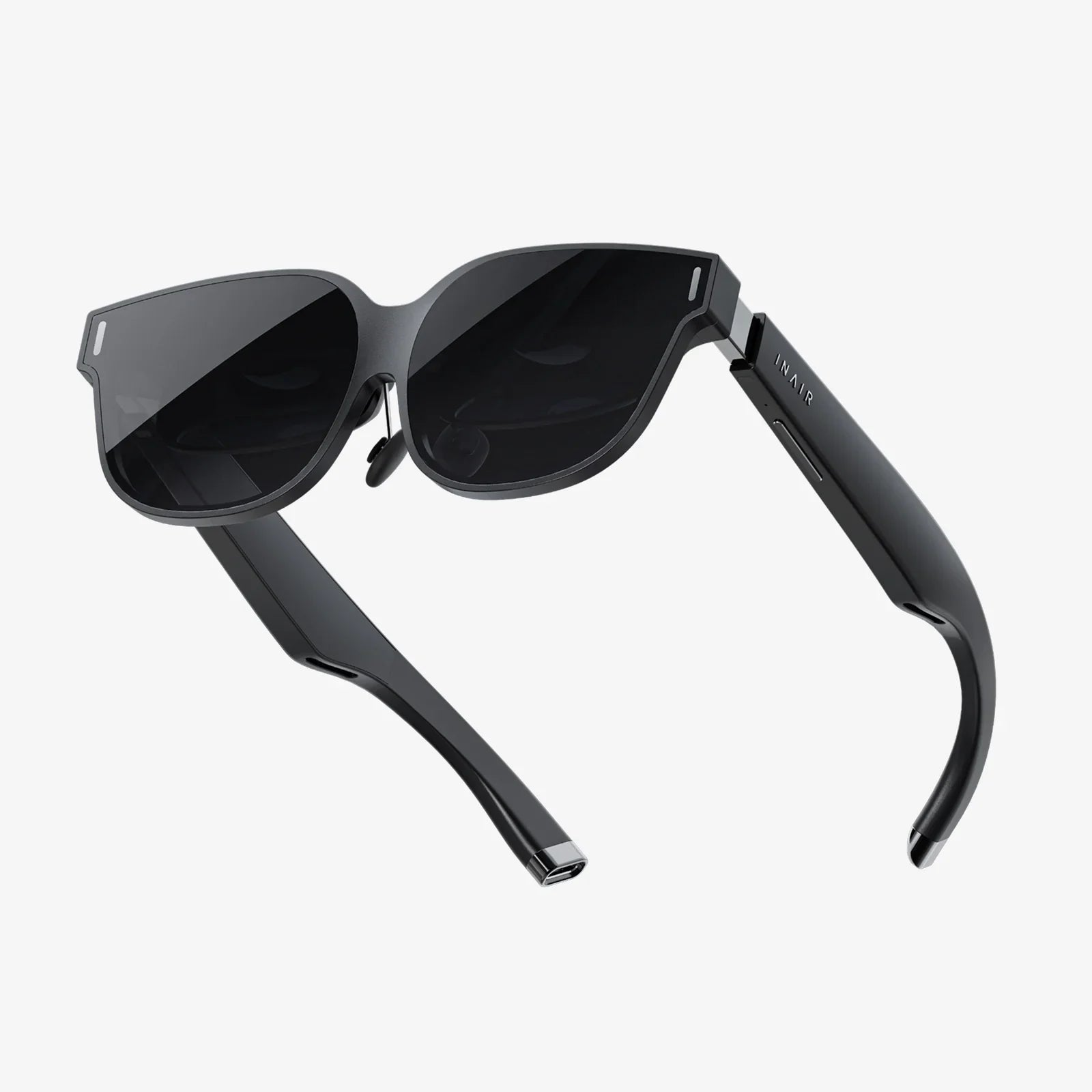
Smart Eyewear: Overlaying Digital on Physical
Smart glasses aim to superimpose computer-generated information onto the user's view of the physical world, a concept known as augmented reality (AR).
Assisted Reality Glasses
These are simpler, monochromatic displays designed for specific enterprise and productivity tasks. Examples of wearables in this sub-category often feature:
- A small, transparent display in the corner of one lens showing basic information like step-by-step instructions for a repair job, delivery routes, or incoming messages.
- Hands-free operation, allowing workers in fields like logistics, manufacturing, and healthcare to access information without stopping their task.
- Long battery life and a durable design suited for industrial environments.
Augmented Reality Glasses
These are the more futuristic, full-color immersive devices that are still largely in development but hold immense potential. Their proposed capabilities include:
- Full-color, high-resolution graphics overlaid onto the real world for navigation, gaming, and design.
- Advanced spatial awareness to allow digital objects to interact with the physical environment.
- Sophisticated gesture and voice control for intuitive interaction.
While consumer adoption is still growing, the potential for smart eyewear to change how we work, learn, and play is enormous.
Smart Clothing and Textiles: Technology Woven In
Perhaps the most seamless integration of technology comes from smart textiles, where the functionality is woven directly into the fabric of what we wear.
Performance Athleticwear
This is a common application where clothing is designed to enhance athletic performance and recovery. Examples include:
- Shirts with integrated ECG sensors to provide more accurate heart rate data than a wrist-based monitor during high-intensity movement.
- Running shoes with sensors that track gait, foot strike, and mileage, sending data to a smartphone app to help prevent injury.
- Yoga pants that can monitor form and posture through embedded stretch sensors.
Health Monitoring Garments
Moving beyond fitness, these items are designed for long-term health tracking:
- Smart socks for diabetics that monitor blood flow and pressure to help prevent ulcers.
- Posture-correcting shirts that vibrate gently to remind the wearer to sit or stand up straight.
- Baby onesies that monitor vital signs like breathing, skin temperature, and body position, alerting parents to potential issues.
Heated and Climate-Controlled Apparel
Jackets, vests, and gloves with battery-powered heating elements that can be controlled via a smartphone app, offering personalized comfort in cold environments.
Medical and Clinical-Grade Wearables
This is one of the most impactful categories, where wearables transition from consumer wellness to actual clinical healthcare.
- Continuous Glucose Monitors (CGMs): Wearable sensors, often placed on the arm or abdomen, that measure glucose levels in near-real-time and transmit the data to a smartphone, revolutionizing diabetes management.
- Wearable ECG Patches: Adhesive, wireless patches that patients wear for days or weeks to continuously monitor heart rhythm and detect intermittent arrhythmias that a short in-office ECG might miss.
- Smart Inhalers: Inhalers for asthma and COPD with attached sensors that track usage, remind patients to take their medication, and record environmental triggers, providing invaluable data to clinicians.
- Connected Blood Pressure Monitors: Cuffs that automatically log readings and share them directly with a doctor's portal for remote patient monitoring.
These examples of wearables are blurring the line between the clinic and the home, enabling proactive and personalized medicine.
The Invisible and the Implantable: The Next Frontier
The evolution of wearables is pushing towards complete invisibility and integration with the human body.
Smart Rings
These tiny devices pack sensors for activity, sleep, and heart rate into a form factor smaller than a ring. They offer continuous monitoring with minimal bulk and are particularly popular for their unobtrusive sleep tracking capabilities.
Smart Patches
Disposable, adhesive patches that monitor specific biomarkers (e.g., hydration levels, UV exposure, or certain electrolytes) and then relay the information before being discarded.
Implantables
While more invasive, this represents the ultimate integration. Current examples include:
- RFID and NFC chips implanted under the skin, used by a small community of biohackers to unlock doors, store medical data, or make payments.
- Clinical implantables like pacemakers and loop recorders that are now "smart" and connected, capable of transmitting patient data directly to physicians.
Challenges and Considerations for the Wearable Future
The proliferation of these devices is not without its significant challenges.
Data Privacy and Security
The intimate biological data collected by wearables is incredibly valuable and sensitive. Questions abound: Who owns this data? How is it being used by the companies that collect it? Could it be used by insurers or employers? Robust cybersecurity is also essential to prevent hacking of these deeply personal data streams.
Battery Life and Sustainability
Constantly charging multiple devices is a burden for users. The industry is in a perpetual race to improve battery technology. Furthermore, the environmental impact of producing and disposing of millions of small electronic devices is a growing concern that demands a focus on repairability and recycling.
Digital Divide and Health Equity
High-quality wearables can be expensive. There is a risk that the health benefits and insights provided by this technology could exacerbate existing health disparities, becoming a tool only for the wealthy unless accessibility is consciously addressed.
Accuracy and Regulation
While clinical-grade devices undergo rigorous FDA approval, many consumer wearables are sold as "wellness" products with less oversight. Ensuring the accuracy of the health data they provide is critical, especially as users and even doctors begin to rely on it.
The tapestry of modern life is being quietly rewoven, thread by digital thread, by the devices we strap on, slip into, and seamlessly wear. From the gentle nudge of a fitness goal achieved on your wrist to the life-altering alert from a clinical glucose monitor, examples of wearables are ceasing to be mere gadgets and are becoming intimate partners in our health, our work, and our daily existence. The conversation is no longer about if you will use wearable technology, but which combination of these interconnected tools will best serve the life you want to lead—a life where technology doesn't demand your attention but quietly empowers you to live better, healthier, and more connected than ever before.
Share:
Wearable Computer Screen The Future of Personal Computing on Your Wrist and Face
Affordable Wearable Tech: The Democratization of Personal Health and Connectivity