


Imagine sitting in a serene, virtual forest, the gentle rustle of leaves and a soft beam of sunlight filtering through the canopy above. You feel a sense of peace, a safe distance from the urban chaos that typically fuels your anxiety. Your therapist, whose voice is calm and reassuring, is right there with you, guiding you through a breathing exercise. This isn't a dream or a futuristic fantasy; it is the emerging reality of therapy, a powerful fusion of ancient healing principles and cutting-edge technology. We are standing at the precipice of a revolution in mental health care, where the deeply human experience of counseling is being profoundly augmented to unlock new depths of hope and healing. This is not about replacing the therapist but empowering them, not about escaping reality but about reshaping our experience within it to foster resilience and recovery.
The Foundational Pillars: Experience, Counseling, and Hope
To understand the seismic shift underway, we must first appreciate the core elements at play. For centuries, the experience of therapy has been confined to the four walls of an office—a controlled, yet often intimidating, environment. The success of this process has always hinged on the therapeutic alliance, the sacred trust built between client and counselor. It is within this safe container that vulnerability can flourish and deep work can begin.
Counseling itself is the structured application of empathy, evidence-based techniques, and professional guidance to navigate the complexities of the human psyche. It is a journey a client and therapist undertake together, often trudging through painful memories, challenging cognitive distortions, and building new, healthier patterns of thought and behavior.
The ultimate goal, the North Star of this entire endeavor, is hope. Hope is the catalyst for change. It is the belief that the future can be better than the present, that pain is not permanent, and that the individual possesses the strength to overcome their challenges. Without hope, motivation dwindles, and progress stalls. For many, especially those with severe phobias, PTSD, or treatment-resistant conditions, accessing that hope can feel impossible through talk therapy alone. The memory is too visceral, the fear too paralyzing, the negative self-perception too ingrained.
The Digital Disruption: Augmented Reality Enters the Therapy Room
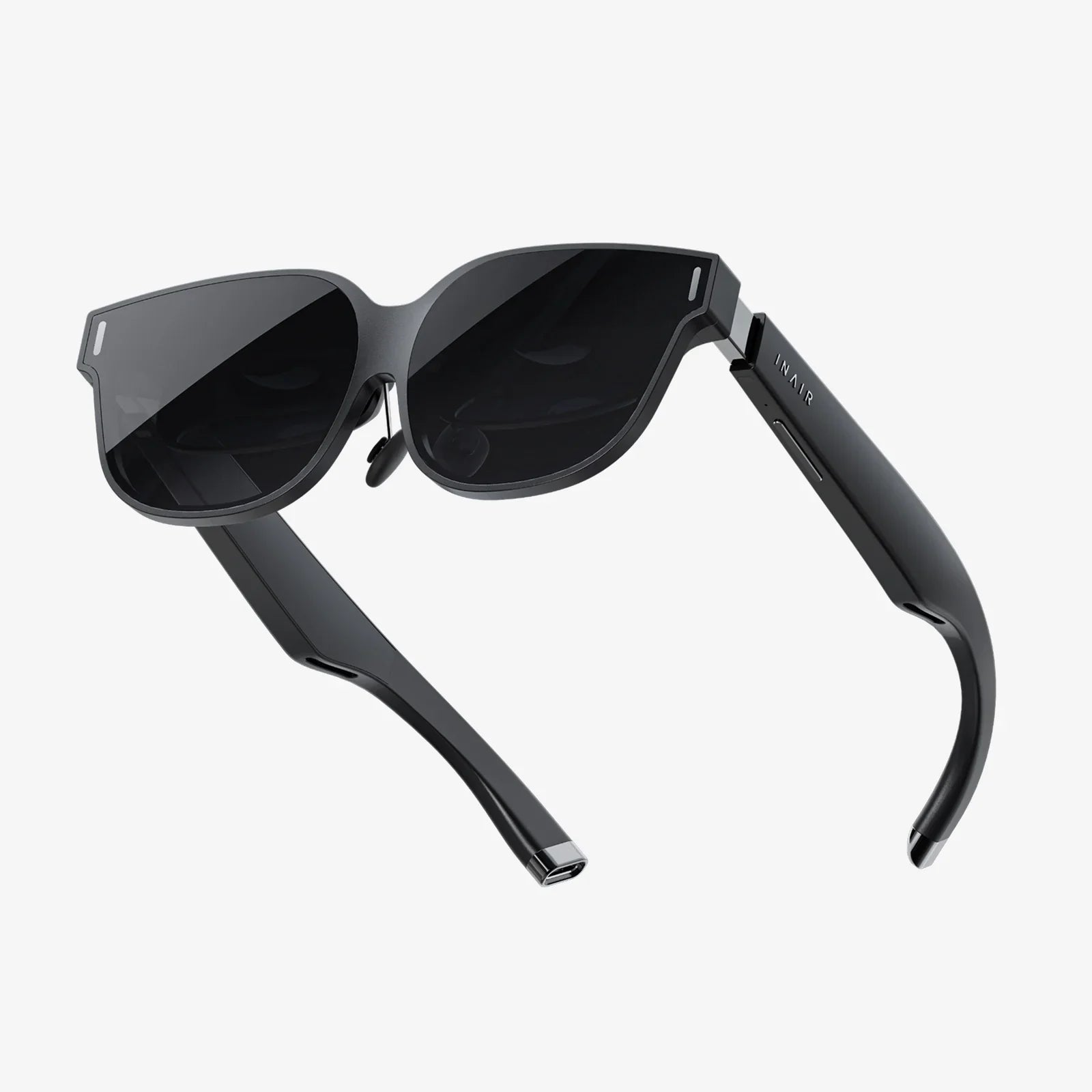
This is where technology, specifically Augmented Reality (AR), enters the narrative. Unlike Virtual Reality (VR), which creates a completely digital environment, AR overlays digital information onto the user's real-world environment. Through the lens of a smartphone, tablet, or pair of smart glasses, the physical world becomes a canvas for therapeutic intervention.
AR is not about dissociation or escape; it is about enhancement and contextual learning. It brings therapeutic exercises into the client's immediate space, making abstract concepts tangible and interventions more impactful. This technology acts as a bridge, connecting the insights gained in a therapist's office to the real-world situations where they are most needed.
The Synergy: How AR Augments the Counseling Experience
The true magic lies in the synergy. AR does not operate in a vacuum; it is a tool wielded by a skilled therapist to deepen the experience and cultivate hope. This integration is transforming several key areas of practice.
1. Exposure and Response Prevention (ERP) Therapy
For individuals with phobias (e.g., fear of flying, spiders, heights) or OCD, graded exposure is a gold-standard treatment. Traditionally, this involved imagination or gradual real-world exposure, which could be logistically challenging, costly, and initially too overwhelming. AR revolutionizes this.
A therapist can now use an AR application to project a lifelike spider onto the couch next to the client. They can control its size, movement, and proximity, allowing for a meticulously calibrated and controlled exposure process. The client remains in the safety of the therapist's office, yet their physiological and psychological responses are entirely real. This controlled environment builds self-efficacy. Each successful step forward—watching the digital spider, having it crawl closer, eventually being able to “touch” it—is a concrete victory. It provides irrefutable evidence to the brain that the feared object can be managed, systematically dismantling the anxiety structure and building a new narrative of competence and courage, thereby fueling hope.
2. Skills Practice and Behavioral Activation
Cognitive Behavioral Therapy (CBT) and Dialectical Behavior Therapy (DBT) heavily emphasize skill-building: mindfulness, distress tolerance, interpersonal effectiveness. AR can turn these skills into interactive exercises.
Imagine an AR app that projects a swirling, chaotic storm in your living room to represent anxiety. The therapist then guides you through breathing exercises. As you breathe deeply and slowly, the storm visibly calms, providing direct visual feedback on your physiological control. For someone learning mindfulness, an AR garden could appear on their desk, with flowers blooming as they maintain focus on their breath, gently wilting if their mind wanders. This gamification of therapy makes practice engaging and provides immediate, tangible rewards for effort, reinforcing positive behavior and making the experience of learning more potent and memorable.
3. Psychoeducation and Visualizing Abstract Concepts
Explaining the brain's amygdala hijack or the neural pathways of addiction can be challenging with words alone. AR can transform these abstract concepts into interactive 3D models. A therapist could project a beating heart that changes color and rhythm as stress levels change, or a brain model that highlights the amygdala “lighting up” during a fear response and then calming as coping skills are applied.
This demystifies the client's internal experience. They are no longer at the mercy of mysterious and powerful forces within them; they are seeing a representation of what is happening and, more importantly, how they can influence it. This knowledge is empowering. It externalizes the problem and makes the solution feel more attainable, a fundamental building block of hope.
4. Enhancing the Therapeutic Alliance and Communication
AR can also serve as a powerful shared language between client and therapist. A client struggling to articulate their emotional state might use an AR tool to build a “mood sculpture” in the room—jagged, dark shapes representing anger, a heavy, gray mass for depression, a frantic, buzzing cloud for anxiety. The therapist can then “walk around” this projection with the client, exploring it from different angles and asking questions. This shared, visual representation deepens understanding and bypasses the limitations of verbal expression, strengthening the core of the counseling relationship.
Cultivating Hope Through Embodied Experience
The common thread weaving through all these applications is the transformation of passive understanding into active, embodied experience. Reading about breathing techniques is one thing; seeing a virtual storm calm in direct response to your breath is another. Talking about a fear is one thing; facing a graded, customizable version of it in your perceived environment is another.
This embodied learning is incredibly sticky. It creates powerful neuro-associations that traditional talk therapy can struggle to achieve. The brain learns and rewires itself not just through cognition, but through vivid, multi-sensory experiences. AR provides a controlled space to practice being different, to literally see a different version of reality and, by extension, a different version of oneself. This is the engine of hope: the tangible, visceral proof that change is not only possible but is already happening.
Ethical Considerations and The Human Imperative
This new frontier is not without its challenges. The ethical considerations are significant and must be navigated with care. Issues of data privacy and security are paramount, as these tools often collect sensitive biometric and experiential data. The digital divide is another concern; access to the necessary technology must not create a new barrier to effective care. Furthermore, AR must be used appropriately and not applied to conditions where it could be counterproductive, such as certain types of psychosis.
Most critically, it is essential to remember that the technology is merely a tool. The heart of healing remains the irreplaceable human connection between the client and the counselor. AR can augment, illustrate, and accelerate, but it cannot replicate the empathy, intuition, and unconditional positive regard of a trained professional. The therapist's role evolves from being solely a guide of the mind to also becoming a curator of experience, a digital facilitator who wields technology with wisdom and clinical acumen. The goal is always to enhance, not replace, the therapeutic relationship.
The integration of AR into counseling is more than a technical upgrade; it is a paradigm shift. It represents a move towards a more experiential, personalized, and potent form of mental health treatment. By allowing clients to not just talk about their world but to actively reshape their experience of it within a therapeutic context, we are unlocking powerful new pathways to healing. This fusion of human wisdom and technological innovation is creating a future where the journey through therapy is more engaging, the insights more profound, and the hope for a healthier, happier life more immediate and vivid than ever before. The door to a new dimension of healing is now open, inviting us all to step through and experience the future of hope.
Share:
A Smart Board Is An Interactive Whiteboard: The Future of Collaboration and Learning
AR Glasses Future: The Next Revolution in Human-Computer Interaction