


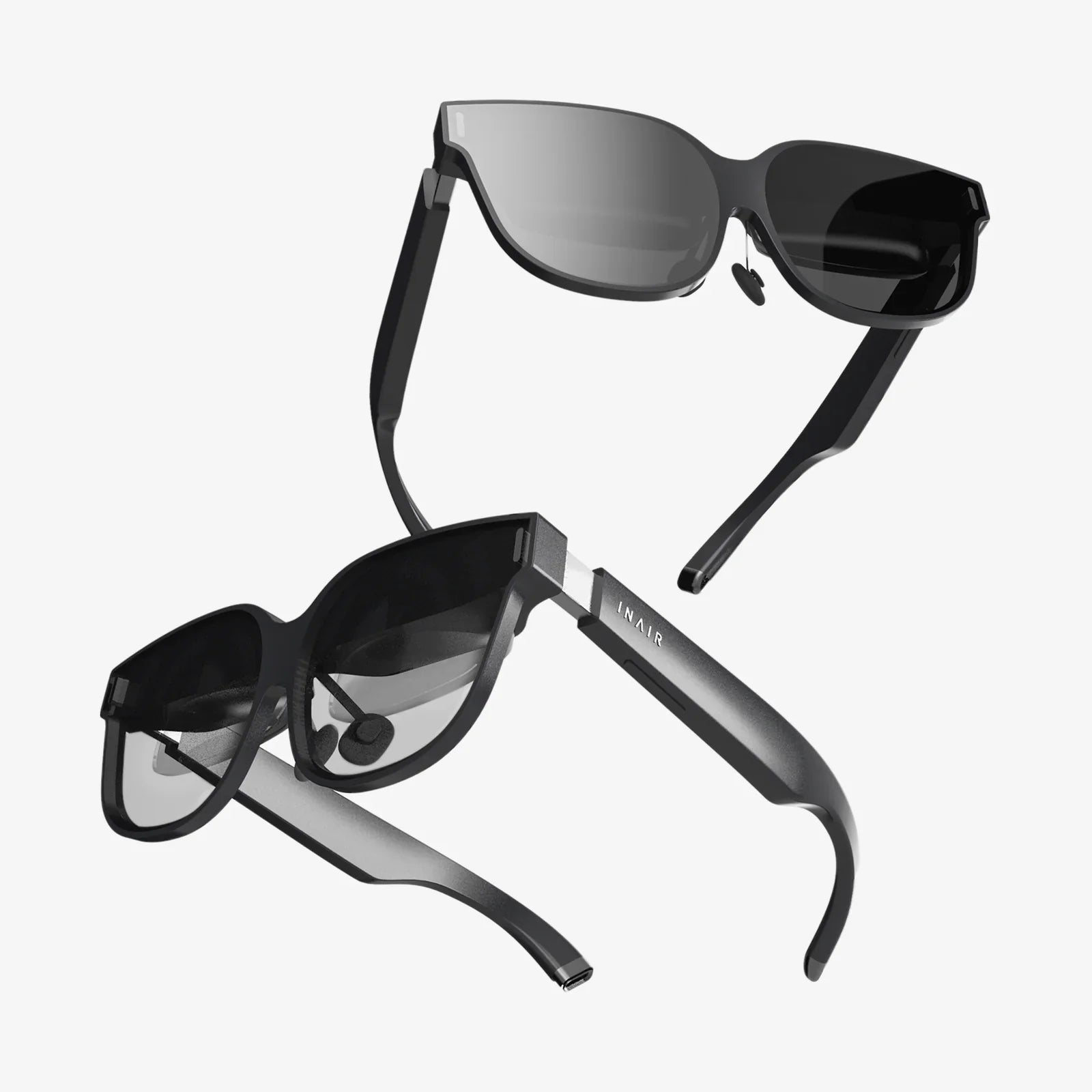
Imagine stepping through a portal into another world, a dimension limited only by the imagination, where the rules of physics are yours to rewrite and every adventure is a heartbeat away. This is the tantalizing promise of virtual reality, a technology that has vaulted from the pages of science fiction into our living rooms, offering unprecedented journeys into the digital unknown. The act of exploring virtual reality experiences is no longer a niche hobby for the tech-obsessed; it is a rapidly expanding frontier of human interaction, entertainment, and education, beckoning us to don a headset and see what lies beyond the screen.
The Meteoric Rise from Sci-Fi Dream to Consumer Reality
The concept of virtual reality is far from new. For decades, it lived in the collective consciousness, popularized by novels and films that dreamed of fully immersive digital worlds. Early iterations were clunky, prohibitively expensive, and offered a pale imitation of the immersion we know today. They were the domain of university labs and military simulators, fascinating prototypes that hinted at a future that seemed perpetually out of reach.
The turning point arrived with a convergence of technological advancements. The proliferation of high-resolution displays, powerful mobile processors, and sophisticated motion-tracking sensors finally provided the necessary building blocks. The development of accessible and ergonomic head-mounted displays acted as the key that unlocked the door for the masses. Suddenly, exploring virtual reality experiences shifted from a theoretical exercise to a tangible, consumer-grade activity. This democratization of technology ignited an explosion of content creation, fostering a new generation of developers and storytellers eager to craft worlds for us to discover.
Beyond the Game: The Expansive Universe of VR Applications
While gaming remains a primary driver of adoption, the true potential of VR lies in its staggering versatility. The scope of experiences available today extends far beyond defeating digital dragons or racing futuristic cars.
A Revolution in Learning and Training
Virtual reality has become one of the most powerful educational tools ever conceived. Instead of reading about ancient Rome, students can take a virtual walking tour of the Colosseum, witnessing its scale and grandeur firsthand. Medical students can practice complex surgical procedures on detailed virtual patients, making mistakes and honing their skills without any risk to human life. Mechanics can disassemble and reassemble intricate engine models, and astronauts can simulate spacewalks. This learning-by-doing in a consequence-free environment accelerates comprehension and retention in a way textbooks never could.
Transforming Healthcare and Therapy
The therapeutic applications of VR are proving to be revolutionary. Clinicians are using controlled virtual environments to treat phobias—such as fear of heights, flying, or public speaking—by gradually and safely exposing patients to their triggers. It is being used for physical rehabilitation, turning painful or repetitive exercises into engaging games that motivate patients to push further. For patients suffering from chronic pain or undergoing stressful treatments, VR serves as a powerful distraction, transporting them to serene beaches or tranquil forests to alleviate anxiety and discomfort.
The New Frontiers of Social Connection and Travel
Virtual reality is redefining what it means to "be there." Social VR platforms allow users, represented by customizable avatars, to gather in virtual spaces to watch movies, attend concerts, play games, or simply chat. These interactions capture nuances of body language and spatial audio, fostering a sense of shared presence that video calls cannot replicate. For those constrained by physical or financial limitations, exploring virtual reality experiences offers the gift of travel. You can stand on the surface of Mars, dive to the wreck of the Titanic, or visit the world's greatest museums—all from your home, experiencing these wonders with a powerful sense of scale and place.
The Psychology of Presence: What Makes VR So Powerful?
The magic of VR is not in its graphical fidelity alone, but in its ability to generate a profound cognitive state known as "presence." Presence is the unequivocal sensation of being in the virtual environment, a suspension of disbelief so complete that your brain accepts the digital world as real. This is achieved through a combination of key technical and sensory factors.
- 360-Degree Immersion: Unlike a flat screen, a VR headset fills your entire field of view. Wherever you look—up, down, or behind you—the virtual world persists. This eliminates the framing of traditional media and sells the illusion of being inside the simulation.
- Head and Motion Tracking:
Low-latency tracking is the unsung hero of presence. When you turn your head, the world reacts instantly and in perfect unison. Any delay or stutter shatters the illusion. This precise tracking extends to motion controllers, allowing you to reach out, grab, throw, and manipulate objects with your own hands. This agency is critical; you are not just an observer but an active participant in the world.
Stereoscopic 3D Vision and Spatial Audio
The use of two slightly different images for each eye creates a convincing sense of depth and scale. A virtual object appears to have real volume and distance. This is complemented by 3D spatial audio, where sounds come from specific directions and change dynamically as you move your head. A whisper from your left in a virtual game feels like it is actually coming from your left, grounding you firmly in the experience.
Navigating the Challenges and Considerations
For all its wonders, the path of exploring virtual reality experiences is not without its obstacles. The industry continues to grapple with several significant challenges that must be addressed for truly mainstream adoption.
Technical and Physical Hurdles: VR-induced motion sickness, often caused by a disconnect between visual motion and the body's vestibular sense, remains a barrier for some users. While technologies like better refresh rates, wider field-of-view, and improved tracking are mitigating this, it is still a consideration. Furthermore, the hardware, while increasingly wireless and affordable, still represents a significant investment. The need for powerful computing hardware or a dedicated standalone device can be a hurdle for many.
The Ethical Dimension: As VR worlds become more realistic and persuasive, ethical questions emerge. How do we protect users' privacy and data within these immersive spaces? What are the psychological effects of long-term immersion, especially on developing minds? The potential for hyper-realistic misinformation or immersive propaganda is a serious concern that developers, policymakers, and society at large must proactively engage with. Establishing clear ethical guidelines and safety standards is paramount for the healthy growth of the medium.
The Future is Virtual: What Lies on the Horizon?
The technology behind virtual reality is advancing at a breathtaking pace. We are moving towards lighter, more comfortable headsets with higher-resolution displays that will eliminate the "screen door effect" and achieve visual fidelity indistinguishable from reality. The integration of haptic feedback suits will allow users to feel virtual objects, from the gentle brush of a butterfly's wing to the impact of a virtual punch.
Perhaps the most exciting development is the concept of the "metaverse"—a persistent, interconnected network of virtual worlds and spaces. This vision posits a future where exploring virtual reality experiences is not a solitary activity but a fundamental part of how we work, socialize, and spend our leisure time. Your virtual office, a concert with friends, and a university lecture could all exist within the same seamless digital universe.
Furthermore, the lines between VR and the real world will continue to blur through Augmented Reality (AR) and Mixed Reality (MR), which overlay digital information onto our physical environment. The ultimate goal is a spectrum of experiences where we can fluidly move between the purely real, the augmented, and the fully virtual.
The journey of exploring virtual reality experiences is just beginning. It is a canvas for human creativity, a tool for profound empathy, and a gateway to experiences once deemed impossible. It challenges our perceptions of reality and connection, asking not what we can see, but where we can go and who we can become. The headset is your passport; the only question that remains is which world you will choose to step into first.
Share:
What Went Virtual Reality: From Sci-Fi Fantasy to a Transformative Digital Frontier
What Went Virtual Reality: From Sci-Fi Fantasy to a Transformative Digital Frontier