


Imagine a world where the boundaries of physics, geography, and even reality itself are no longer limits to human potential, a world where you can train for a complex surgical procedure, walk on the surface of Mars, or collaborate with colleagues across the globe as if they were in the same room—all before lunch. This is not a distant science fiction fantasy; it is the rapidly emerging present, powered by the revolutionary suite of technologies known as Extended Reality. The advantages of XR are poised to fundamentally alter every facet of our lives, from how we work and learn to how we connect and heal, offering a tantalizing preview of a future where our digital and physical realities are seamlessly intertwined.
The XR Spectrum: A Primer
Before delving into its profound advantages, it is essential to understand what constitutes Extended Reality. XR is an umbrella term that encompasses all combined real-and-virtual environments, including its primary technologies:
- Virtual Reality (VR): A fully immersive, computer-generated simulation that replaces the user's real-world environment. Using a head-mounted display (HMD) and motion tracking, VR transports the user to a completely digital world, effectively shutting out the physical realm.
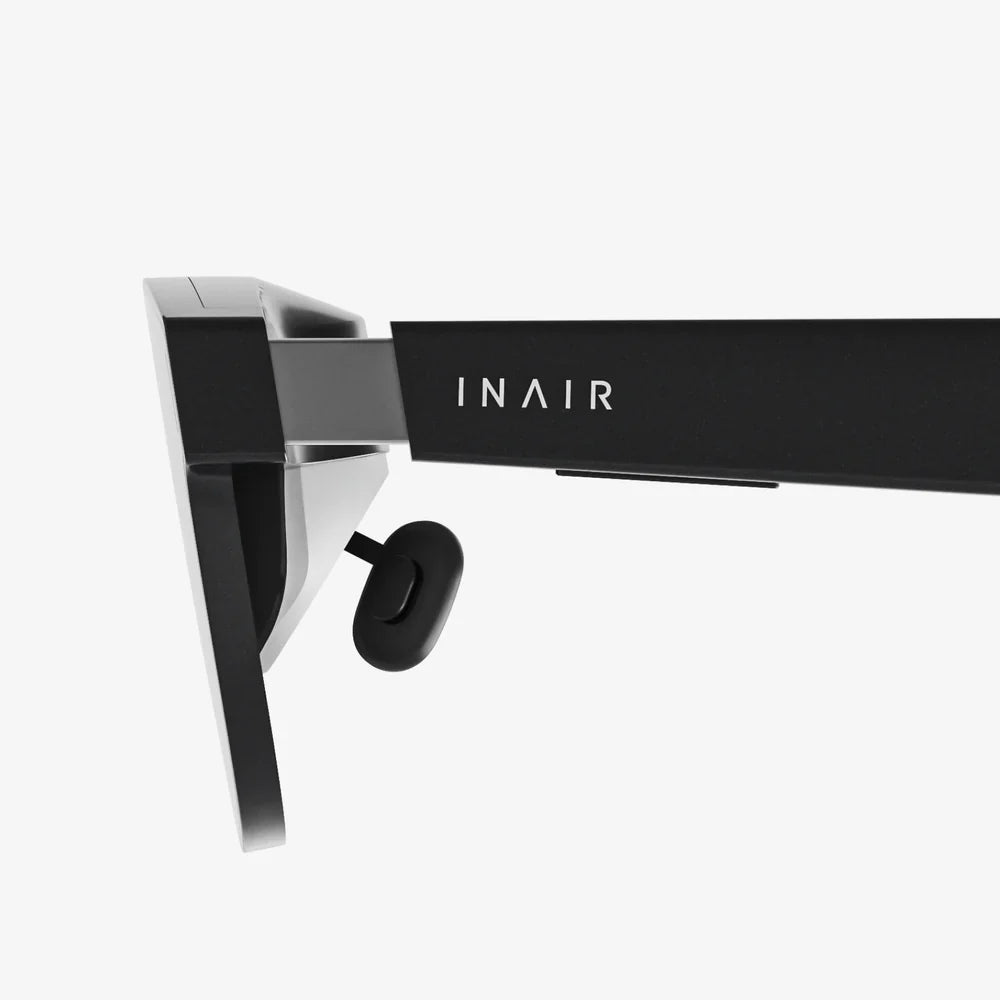
- Augmented Reality (AR): This technology overlays digital information—such as images, text, or 3D models—onto the user's view of the real world. Unlike VR, AR does not create a new reality but enhances the existing one by adding a digital layer of interactivity, typically viewed through smartphone screens, smart glasses, or specialized headsets.
- Mixed Reality (MR): Often considered the most advanced segment, MR is a hybrid of VR and AR where digital and physical objects co-exist and interact in real-time. In a mixed reality experience, a holographic character could sit on your real-world couch, or a digital control panel could be anchored to your physical wall, responding to your touch and gestures.
This spectrum of experiences, from pure augmentation to full immersion, provides a versatile toolkit for solving problems and creating experiences that were previously impossible.
Revolutionizing Education and Training
One of the most significant and immediate advantages of extended reality lies in its capacity to transform pedagogy and skills acquisition. Traditional learning methods often rely on abstract concepts and passive absorption of information. XR shatters this model, replacing it with experiential, hands-on learning that dramatically improves retention and comprehension.
Immersive Learning and Skill Mastery
Imagine a medical student no longer limited to textbooks and cadavers. With VR, they can step inside a hyper-realistic simulation of the human body, performing a complex procedure dozens of times without risk to a patient. They can feel the pressure of a virtual scalpel through haptic feedback and see the immediate consequences of their actions. This "learning by doing" in a safe, controlled, and repeatable environment accelerates mastery and builds muscle memory and confidence. This advantage extends far beyond medicine to fields like aviation, where pilots train in full-motion flight simulators (a form of VR), or mechanical engineering, where trainees can practice disassembling and repairing intricate machinery that would be too expensive or dangerous to work on physically.
Democratizing Access and Experience
XR possesses the incredible power to democratize experiences that are otherwise inaccessible due to cost, location, or physical constraints. A history class can take a guided tour of ancient Rome, walking through the Forum and witnessing historical events unfold around them. Geology students can explore the layers of a volcano, while astronomy students can navigate the solar system. This eliminates the barriers of physical field trips, providing every student, regardless of their school's budget or location, with equal access to profound, world-expanding experiences. It fosters empathy and a deeper understanding of complex subjects by allowing learners to "be there" rather than just read about it.
Transforming Enterprise and Industrial Operations
The corporate and industrial worlds are harnessing the advantages of extended reality to drive efficiency, enhance safety, and revolutionize collaboration. XR is moving beyond novelty to become a critical tool for the modern enterprise.
Enhanced Remote Collaboration and Design
The concept of the office is being redefined. With MR, remote teams are no longer confined to flat, 2D video calls. Instead, colleagues from different continents can inhabit a shared virtual workspace, interacting with 3D holograms of a new product prototype. Engineers can examine a life-size model of an engine block from every angle, making annotations in real-time that everyone can see. Architects and clients can walk through a full-scale building model before a single brick is laid, making design changes on the fly. This collaborative advantage reduces costly errors, accelerates iteration cycles, and fosters a deeper level of understanding and creativity among distributed teams.
Boosting Efficiency and Safety
On the factory floor and in the field, AR is providing a powerful layer of contextual information to workers. A maintenance technician wearing AR smart glasses can see step-by-step repair instructions overlaid directly onto the malfunctioning equipment, with arrows highlighting specific components to adjust. They can have a remote expert see their field of view and provide visual guidance, drawing circles and arrows to assist, all without either person leaving their location. This hands-free access to information improves first-time fix rates, drastically reduces downtime, and enhances safety by allowing workers to keep their focus on the task and their environment rather than shifting attention to a manual or tablet.
Redefining Healthcare and Therapeutics
The healthcare sector is experiencing a paradigm shift thanks to the therapeutic and practical advantages of extended reality. XR is proving to be a powerful tool not only for training surgeons but also for treating patients and managing pain.
Advanced Surgical Planning and Patient Education
Surgeons are using VR to plan for complex operations. By creating a precise 3D model from a patient's MRI or CT scans, they can navigate the unique anatomy of the individual's body before making an incision. They can practice the procedure, anticipate challenges, and determine the optimal surgical approach, thereby increasing precision and improving patient outcomes. Furthermore, AR can be used in the operating room to project vital signs, 3D scans, or guidance data directly into the surgeon's line of sight. For patient education, VR models help doctors explain conditions and procedures in an intuitive, visual way, reducing anxiety and improving informed consent.
Innovative Therapy and Rehabilitation
XR is breaking new ground in mental and physical therapy. For patients suffering from phobias—such as fear of heights, flying, or public speaking—VR exposure therapy provides a safe, gradual, and controlled environment to confront and manage their anxieties. In physical rehabilitation, AR and VR turn repetitive and often painful exercises into engaging games. A patient recovering from a stroke might be tasked with catching virtual butterflies, which encourages them to extend their range of motion without the monotony of traditional physiotherapy. This "gamification" of rehab increases patient motivation, adherence to treatment plans, and ultimately, the speed of recovery.
Unleashing New Frontiers in Retail and Commerce
The way we shop is undergoing a radical transformation. Extended reality advantages are solving age-old retail problems like buyer's remorse and the inability to visualize products in a personal context, creating a more confident and satisfying consumer experience.
Try-Before-You-Buy and Personalized Shopping
AR apps allow consumers to project virtual furniture into their living room at true-to-life scale, seeing how a new sofa fits with their existing décor and space before purchasing. Fashion retailers offer virtual try-on experiences, enabling customers to see how glasses, makeup, or even clothes will look on their own reflection. This reduces the high rate of returns associated with online shopping and builds consumer confidence. It creates a highly personalized and engaging shopping journey that bridges the convenience of e-commerce with the assurance of an in-store experience.
Immersive Brand Storytelling
Brands are no longer limited to telling a story through a 30-second ad or a social media post. They can use VR to create deep, emotional, and immersive narratives. A travel company can transport a potential customer to a sun-drenched beach or a bustling foreign market. An automotive company can offer a virtual test drive of a new car model on a scenic road. This level of immersion forges a powerful emotional connection with the brand, moving beyond transactional relationships to create memorable experiences that drive loyalty and engagement.
Shaping the Future of Social Connection and Entertainment
At its core, extended reality is a social technology. Its advantages promise to evolve how we connect with others and consume entertainment, moving from passive viewing to active participation.
The Emergence of the Social Metaverse
While still in its early stages, the concept of a persistent, shared virtual space—often called the metaverse—is being built on XR foundations. This envisions a future where we socialize, attend concerts, conduct business, and explore digital worlds not as a profile picture, but as a embodied avatar. The sense of "co-presence"—feeling that you are truly with another person—is profoundly stronger in VR than in any other digital medium. This has the potential to mitigate the loneliness of physical distance, allowing families and friends separated by thousands of miles to feel as if they are sharing a space, watching a movie together on a virtual screen, or simply chatting as avatars in a digital living room.
The Next Era of Storytelling and Gaming
Entertainment is being redefined from a spectator sport into an experiential adventure. VR films place you directly inside the narrative, allowing you to look around and explore the environment as the story unfolds around you. The gaming industry is the most obvious beneficiary, with VR gaming offering unparalleled levels of immersion and physical engagement. You are no longer pressing a button to swing a sword; you are physically performing the motion. This blurring of line between player and character creates intensely memorable and emotionally resonant experiences that are impossible to replicate on a flat screen.
The journey into the extended realm is just beginning, and the path forward is shimmering with limitless potential. The advantages of XR are not merely about flashy graphics or futuristic headsets; they represent a fundamental shift in the human experience—a new lens through which to learn, a new tool with which to create, and a new bridge to connect across any divide. As this technology continues to evolve, becoming more accessible, affordable, and sophisticated, it will cease to be a novelty and become an indispensable thread woven into the very fabric of our daily reality, forever expanding the horizons of what we can achieve, imagine, and become.
Share:
How Do VR Goggles Work with iPhone: A Deep Dive Into Mobile Virtual Reality
Turn Android Phone Into VR Headset: Your Ultimate Guide to Immersive Tech