


Imagine stepping inside a human heart as it beats, walking through ancient Rome at the height of its power, or practicing a complex surgical procedure dozens of times before ever touching a real patient. This isn't science fiction; it's the tangible, awe-inspiring reality being built today through groundbreaking extended reality examples that are quietly reshaping every facet of our modern world. The line between the digital and the physical is not just blurring—it's disappearing, and the implications are nothing short of revolutionary. Prepare to have your perception of reality expanded as we journey through the most compelling applications of XR technology that are already changing lives, industries, and the future itself.
The Foundational Trio: AR, VR, and MR
Before we delve into specific extended reality examples, it's crucial to understand the three core technologies that form its spectrum. Often used interchangeably, they represent distinct points on a continuum of immersion.
Augmented Reality (AR) overlays digital information—images, text, or 3D models—onto the user's real-world environment. Think of navigation arrows projected onto the road through your car's windshield or trying on virtual glasses using your phone's camera. The primary environment remains the physical world, enhanced with a digital layer.
Virtual Reality (VR) is the most immersive of the three, completely replacing the user's field of view with a computer-generated simulation. By wearing a headset, you are transported to a fully digital environment, whether it's a cartoonish game world or a photorealistic simulation of a jet cockpit. The physical world is entirely blocked out.
Mixed Reality (MR) sits at the most advanced intersection of AR and VR. It doesn't just overlay digital objects; it anchors them intelligently to the physical world, allowing for real-time interaction. A virtual character in MR can hide behind your real sofa, and a digital ball can bounce off your actual walls. The two worlds coexist and interact seamlessly.
These technologies form the toolbox for the incredible extended reality examples we are about to explore.
Revolutionizing Medicine and Healthcare
The healthcare sector has emerged as one of the most profound beneficiaries of XR, offering extended reality examples that save money, increase efficiency, and, most importantly, save lives.
Surgical Training and Planning
Surgeons are using VR to step inside detailed, patient-specific 3D models reconstructed from CT and MRI scans. Before making a single incision, they can practice complex procedures, navigate around critical structures, and anticipate challenges. This rehearsal leads to shorter operation times, reduced blood loss, and significantly improved patient outcomes. Trainee surgeons can repeat procedures countless times in a risk-free environment, accelerating their learning curve without endangering patients.
Pain Management and Physical Rehabilitation
VR is proving to be a powerful non-pharmaceutical tool for pain management. For patients suffering from severe burn wounds, immersing them in a calming, icy virtual world like "SnowWorld" has been shown to drastically reduce their perceived pain during agonizing bandage changes. In physical rehab, XR turns repetitive exercises into engaging games. A patient recovering from a stroke might be tasked with virtually catching butterflies, which subtly guides them through the specific arm movements needed for recovery, improving motivation and adherence to therapy programs.
Mental Health Therapy
Psychologists are leveraging controlled VR environments to treat phobias, anxiety, and PTSD. A patient with a fear of heights can gradually experience standing on a virtual plank extending from a skyscraper, all from the safety of the therapist's office. For those with PTSD, therapists can carefully recreate triggering environments to help them process and manage their trauma in a safe and controlled manner. These extended reality examples provide a level of control and safety that was previously impossible.
Transforming Education and Corporate Training
XR is moving learning beyond textbooks and lectures, creating immersive, experiential education that boosts retention and engagement.
Immersive Historical and Scientific Learning
Instead of reading about the Roman Empire, students can don a headset and take a guided tour through a meticulously reconstructed Forum, hearing the sounds and seeing the scale of history around them. Biology students can dissect a virtual frog or walk through a giant, beating heart, understanding anatomy from the inside out. These experiences create powerful emotional connections to the subject matter, transforming abstract concepts into tangible memories.
Skills and Safety Training
From Walmart to Boeing, major corporations are using VR to train employees at scale. Retail employees can practice managing a holiday rush in a virtual store, while aircraft mechanics can learn to repair complex engine systems without needing access to a multi-million dollar physical engine. The most critical application is in safety training. Oil rig workers can practice emergency evacuation procedures, and electrical technicians can learn to handle high-voltage equipment, making mistakes that would be fatal in the real world but are merely teachable moments in a virtual one.
Redefining Retail and the Commerce Experience
The way we shop is undergoing a radical transformation thanks to AR, solving one of online shopping's biggest drawbacks: the inability to try before you buy.
Virtual Try-On and Preview
Using your smartphone, you can now see how a new sofa would look in your living room, accurately gauging its scale and color against your existing decor. Shoppers can "try on" glasses, makeup, and even clothes using AR filters, dramatically reducing return rates and increasing consumer confidence. Car buyers can configure their vehicle's color and trim and then use AR to project a life-sized model into their driveway to examine it from every angle.
Enhanced In-Store Navigation and Information
Inside large retail stores, shoppers can use AR wayfinding on their phone screens to navigate directly to the aisle containing the specific product they need. By pointing their camera at a product, they can instantly pull up reviews, detailed specifications, or see related items, blending the best of online information with the physical in-store experience.
Powering the Future of Industrial Design and Manufacturing
In engineering and manufacturing, XR is streamlining design processes, enhancing collaboration, and reducing costly errors.
Virtual Prototyping and Design Review
Automotive and aerospace engineers use VR to inhabit full-scale 3D models of new vehicle designs long before a physical prototype is built. They can check sightlines, ergonomics, and assembly processes, identifying potential issues when changes are still cheap and easy to make. Teams distributed across the globe can meet in the same virtual model, examining and annotating components together as if they were standing in the same room.
Assembly Line Guidance and Remote Assistance
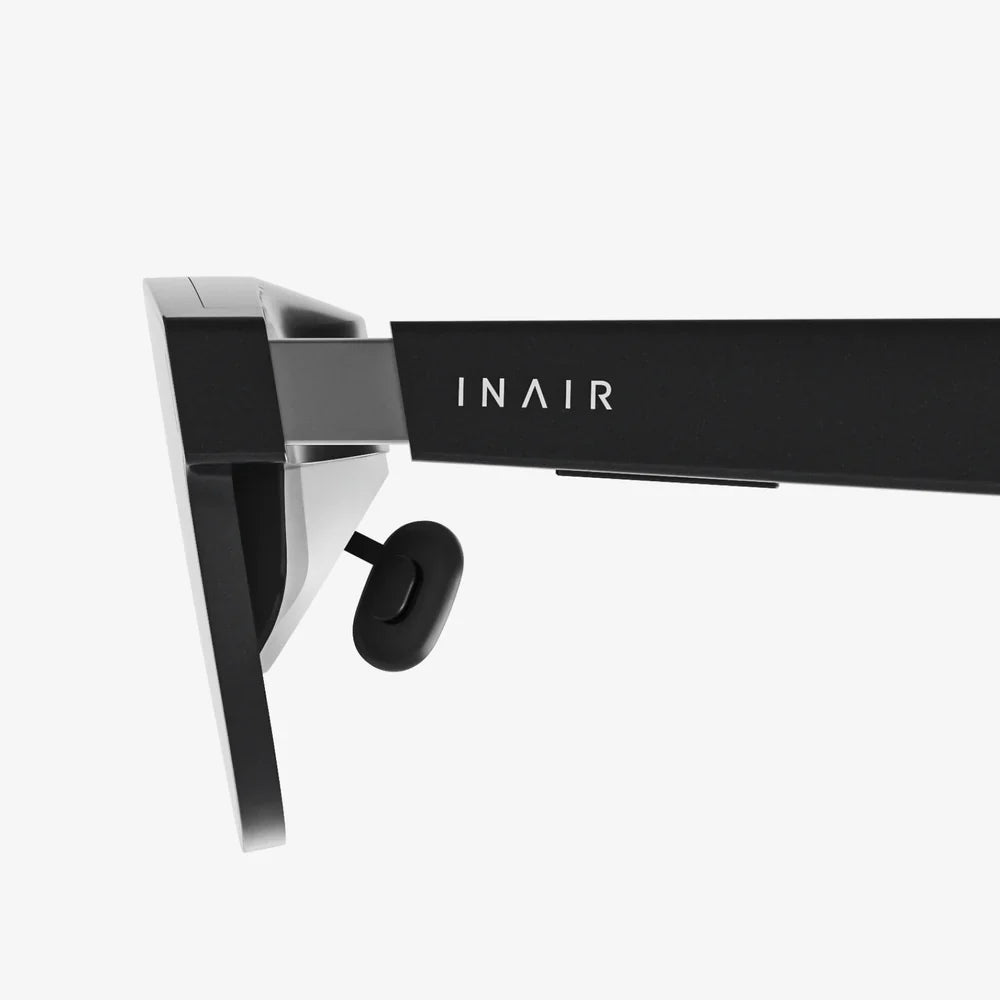
On the factory floor, workers wearing AR smart glasses can see digital assembly instructions overlaid directly onto the physical components they are working on, highlighting the next part to install or the correct bolt to tighten. This reduces errors and training time. Furthermore, an expert engineer located thousands of miles away can see what a local technician sees and draw arrows or diagrams directly into their field of view to guide them through a complex repair, eliminating travel time and costs.
Unleashing New Frontiers in Entertainment and Social Connection
While gaming is XR's most famous playground, the applications in entertainment and socializing are becoming increasingly sophisticated and mainstream.
Immersive Storytelling and Virtual Concerts
Filmmakers and artists are creating 360-degree narratives where the viewer is inside the story, able to look around and choose where to focus their attention. Musicians are hosting virtual concerts where fans from around the world can appear as avatars, watching a performance together from the front row, interacting with the environment and each other in ways that surpass traditional live streams.
Virtual Tourism and Cultural Preservation
For those unable to travel due to physical or financial constraints, VR offers the next best thing. You can dive the Great Barrier Reef, stand on the surface of Mars using NASA data, or visit world heritage sites that are otherwise inaccessible or too fragile for large numbers of tourists. Importantly, this technology is being used to digitally preserve historical sites threatened by climate change, war, or erosion, creating perfect 3D records for future generations.
Navigating the Challenges and The Future of XR
Despite its promise, the widespread adoption of these extended reality examples faces hurdles. Issues of user accessibility, the potential for motion sickness in VR, the high cost of some hardware, and significant concerns around data privacy, psychological effects, and the creation of a pervasive "surveillance economy" must be addressed. The development of comfortable, socially acceptable, and affordable hardware like lighter glasses is critical for moving beyond niche applications.
The future, however, is bright. The convergence of XR with artificial intelligence and 5G connectivity will unlock even more powerful applications. We are moving towards a world where persistent digital layers, accessible only through XR devices, will be draped over our physical reality—a concept often called the "metaverse." This will fundamentally change how we work, learn, socialize, and interact with information itself.
The potential is limitless, stretching far beyond the extended reality examples we see today. We are building a new lens on reality, one that will enhance our human capabilities and deepen our understanding of the world and each other. The journey is just beginning.
From the operating room to the classroom, the factory floor to your living room, extended reality is ceasing to be a novelty and becoming a fundamental utility. These ten examples are merely a glimpse into a parallel dimension of human experience that is being constructed all around us, invisible to the naked eye but accessible to those who know how to look. The next time you pick up your phone or consider a new headset, remember—you're not just holding a piece of technology; you're holding a key to a door that opens onto infinite worlds, limited only by imagination. The real question is no longer what XR can do, but what will you do with it?
Share:
AI Sunglasses The Future of Wearable Technology on Your Face
AI Sunglasses The Future of Wearable Technology on Your Face