


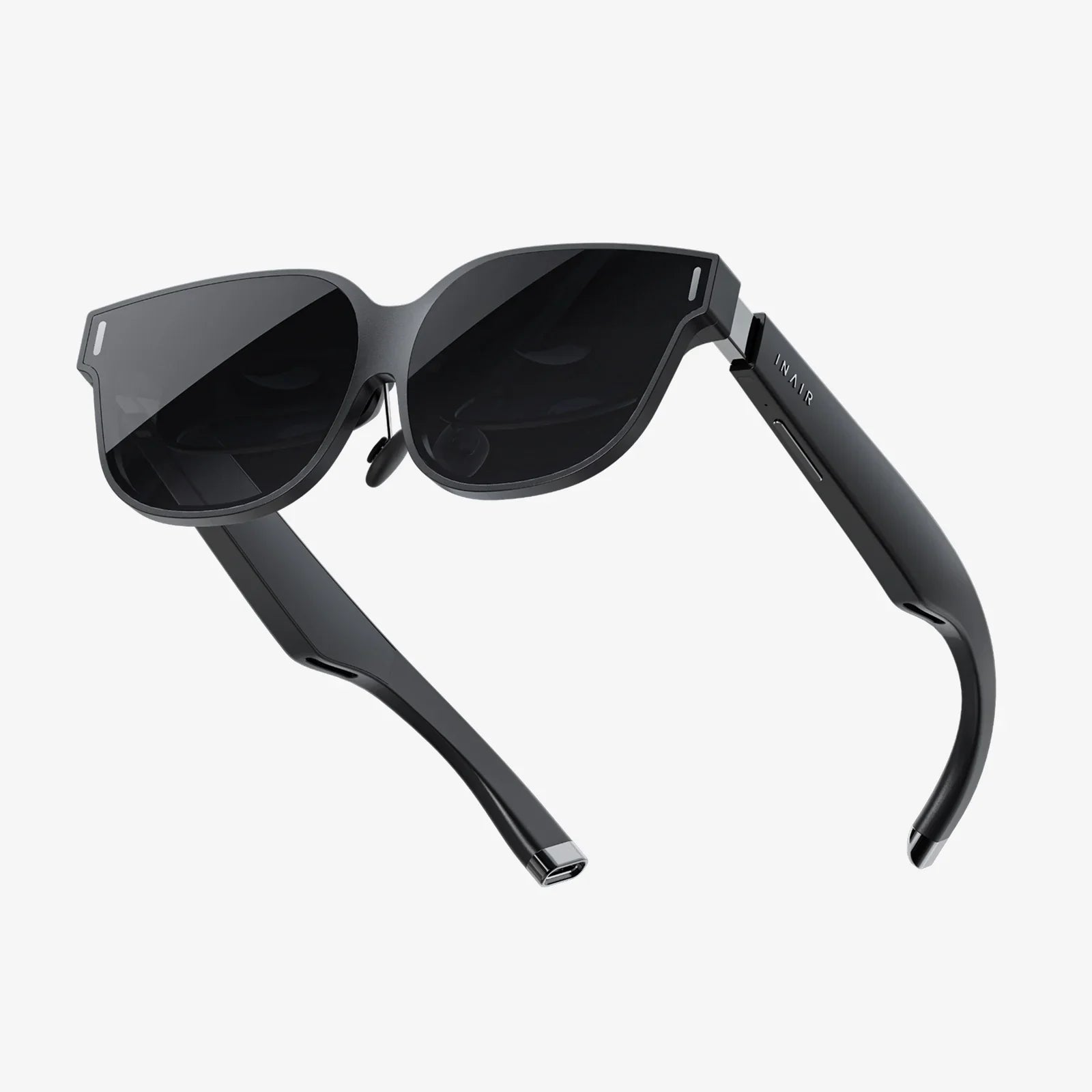
Imagine a world where a surgeon in London guides a complex procedure in Mumbai without leaving their office, where a factory worker sees digital schematics overlaid onto the machinery they are repairing, and where a history student can walk through ancient Rome as it once stood. This is not a glimpse into a distant future; it is the tangible, operational reality of Extended Reality in practice today. Far from being confined to the realm of gaming and entertainment, XR—an umbrella term encompassing Virtual Reality (VR), Augmented Reality (AR), and Mixed Reality (MR)—is quietly orchestrating a revolution across the most foundational sectors of our society, moving from a provocative novelty to an indispensable practical tool.
Demystifying the Spectrum: From Virtual to Augmented Worlds
Before delving into its applications, it is crucial to understand the spectrum that constitutes Extended Reality. Often used interchangeably, the terms VR, AR, and MR represent distinct points on a continuum of digital immersion.
Virtual Reality (VR) is the most immersive end of the spectrum. By wearing a headset, users are fully transported into a completely computer-generated environment, effectively shutting out the physical world. In practice, this is used for high-fidelity simulations, deep training exercises, and virtual tours, creating a controlled digital space for users to inhabit.
Augmented Reality (AR) operates at the opposite end. Instead of replacing the real world, AR overlays digital information—such as images, text, or 3D models—onto the user's view of their physical surroundings. This is most commonly experienced through smartphone screens or smart glasses. The power of AR in practice lies in its ability to contextualize information, providing just-in-time data that enhances a real-world task.
Bridging these two is Mixed Reality (MR). MR is more advanced than simple AR; it allows digital objects to not only appear in the real world but to interact with it in real-time. A digital ball in MR can bounce off a real-world table, and a virtual engine block can be placed onto a real workshop floor for collaborative dissection. This seamless blending is where much of the most innovative practical work is happening.
The Industrial Metaverse: XR on the Factory Floor
Perhaps the most significant impact of Extended Reality in practice is occurring within industrial and manufacturing settings. Here, the technology is driving unprecedented gains in efficiency, safety, and precision.
Design and Prototyping
Gone are the days of building countless physical prototypes, a process that is both time-consuming and exorbitantly expensive. Engineers and designers now use VR to create and interact with life-size 3D models of their designs long before a single physical component is fabricated. They can walk around a virtual car chassis, inspect the internal layout of a new jet engine, or test the ergonomics of a household appliance. This iterative process in a virtual space saves millions, accelerates time-to-market, and allows for more creative experimentation.
Complex Assembly and Maintenance
On the factory floor, AR is proving to be a game-changer. Technicians performing intricate assembly or maintenance procedures can wear AR glasses that project step-by-step instructions directly into their field of view. Instead of constantly glancing back and forth between a physical manual and a complex machine, the instructions are superimposed on the components themselves—highlighting which bolt to turn next, displaying torque settings, or showing an animated video of the required action. This hands-free guidance reduces errors by over 90% in some documented cases, drastically shortens training times for new employees, and significantly enhances workplace safety.
Remote Expert Assistance
When a critical piece of equipment fails in a remote location, flying out a specialist can mean days of downtime costing hundreds of thousands of dollars. XR solves this. A on-site worker wearing AR glasses can stream their live view to a specialist thousands of miles away. The remote expert can then annotate the worker's real-world view, drawing arrows, circling components, and pulling up documents, effectively "seeing what they see" and guiding their hands. This practice not only saves immense cost but also democratizes expertise, allowing a single top engineer to support teams across the globe instantaneously.
Transforming Healthcare: From the Classroom to the Operating Room
The application of Extended Reality in practice within healthcare is saving lives, improving outcomes, and revolutionizing medical education.
Surgical Planning and Medical Training
Surgeons are using VR to prepare for complex operations. By creating a detailed 3D model from a patient's CT or MRI scans, they can "enter" the patient's anatomy, navigate around tumors, and practice the procedure virtually. This rehearsal leads to better surgical planning, shorter operation times, and reduced risk. For medical students, VR provides an ethical and incredibly effective alternative to cadavers, allowing them to perform virtual dissections and practice procedures countless times in a risk-free environment.
Enhanced Patient Care and Rehabilitation
AR is assisting in surgeries by projecting vital information, like the location of blood vessels or tumors, directly onto the patient's body during an operation. In rehabilitation, VR is creating engaging, game-like environments for patients recovering from strokes or injuries. This "gamification" of physical therapy increases patient motivation and adherence to often tedious exercise regimens, leading to better and faster recovery outcomes. Furthermore, VR is being used for pain management and exposure therapy, helping patients cope with chronic pain and phobias.
Revolutionizing Education and Corporate Learning
The age-old challenge of education has been moving from abstract theory to tangible understanding. XR is the bridge.
Imagine learning about the Roman Empire not from a textbook, but by walking through a digitally reconstructed Forum. Chemistry students can interact with and combine virtual molecules, watching the reactions unfold without any risk. Corporate training is being upended through immersive simulations. Instead of a boring slideshow on workplace safety, employees can be placed in a virtual environment where they must identify hazards, making the lesson unforgettable. This "learning by doing" in a simulated environment leads to drastically higher knowledge retention and engagement compared to traditional methods.
The Future of Retail and Remote Collaboration
In retail, AR allows customers to "try before they buy" with unprecedented fidelity. They can see how a sofa will look in their living room, how a pair of glasses will fit their face, or how a new car's dashboard will feel—all from their own home. This reduces purchase anxiety and lowers return rates.
For remote collaboration, XR promises to move beyond flat video calls. Instead of talking to a grid of faces on a screen, teams can meet in a virtual boardroom, interact with 3D data models together, and brainstorm on a virtual whiteboard as if they were in the same room. This fosters a much deeper sense of presence and collaboration, making remote work more effective and human.
Navigating the Practical Challenges: The Road Ahead
For all its promise, the widespread adoption of Extended Reality in practice is not without significant hurdles.
Technical Limitations: For true immersion, XR requires immense computing power, high-resolution displays, and accurate motion tracking. Hardware needs to become lighter, more comfortable, and have longer battery life to be usable for extended periods. Latency—the delay between a user's movement and the system's response—must be eliminated to prevent motion sickness.
The Social and Ethical Dimension: As we begin to blend the digital and physical, new questions arise. How do we manage data privacy when devices with cameras and sensors are constantly scanning our environments? What are the psychological effects of prolonged immersion in virtual worlds? Establishing clear ethical guidelines and robust security frameworks is not an option, but a prerequisite for a healthy XR ecosystem.
Content Creation and Interoperability: Building high-quality, interactive XR experiences is still complex and expensive. The industry also struggles with a lack of standardization; digital objects and environments often cannot move seamlessly from one platform to another. Solving this interoperability problem is key to building a truly connected "metaverse" of practical applications.
Human-Centric Design: Ultimately, the technology must serve people, not the other way around. The most successful applications of XR will be those that solve genuine human problems with intuitive interfaces, avoiding the trap of being technology for technology's sake. The user experience must be seamless, accessible, and add undeniable value.
The shimmering promise of a fully immersive metaverse may capture headlines, but the true story of Extended Reality is being written in the gritty, practical arenas of operating rooms, factory floors, and classrooms. It is a story of augmentation, not replacement; of enhancing human capability rather than overshadowing it. The hardware will continue to shrink, the graphics will become more photorealistic, and the applications will expand into domains we cannot yet conceive. But the core principle will remain: using digital immersion to solve real-world problems, bridge physical divides, and unlock human potential. This invisible revolution is already here, and it’s not just changing what we see—it’s fundamentally reshaping how we act, learn, and connect in the world around us.
Share:
VR Headset Adjustable Lenses: The Key to a Perfectly Focused Virtual World
VR Headset Adjustable Lenses: The Key to a Perfectly Focused Virtual World