


- by wangfred
Extended Reality Market Size 2025: A Deep Dive into the Future of Immersive Technology
- by wangfred
Imagine a world where the digital and the physical are not just connected, but seamlessly intertwined. Where surgeons on opposite sides of the globe collaborate inside a patient’s holographic anatomy, where factory floors are designed and tested in a virtual space before a single brick is laid, and where learning about ancient Rome means walking its bustling streets. This is the promise of Extended Reality (XR), an umbrella term encompassing Virtual Reality (VR), Augmented Reality (AR), and Mixed Reality (MR). While it may sound like science fiction, the staggering projections for the extended reality market size in 2025 tell a different story—one of rapid, imminent, and profound transformation. The numbers are not just metrics on a spreadsheet; they are a window into a future being built today, a multi-billion-dollar revolution poised to redefine every industry it touches.
Before delving into the market dynamics, it is crucial to understand the distinct layers of the XR spectrum. Often used interchangeably, VR, AR, and MR offer different levels of immersion and interaction with the digital world.
Virtual Reality (VR) is the most immersive form of XR. It transports users into a completely computer-generated environment, typically accessed through a headset that blocks out the physical world. This technology is synonymous with gaming and entertainment, placing users on the front lines of a battlefield or on the surface of Mars. However, its applications have expanded far beyond, into training simulations, therapeutic treatments for phobias and PTSD, and virtual social spaces.
Augmented Reality (AR) overlays digital information—images, text, animations—onto the user’s view of the real world. Unlike VR, it does not replace reality but enhances it. This is most commonly experienced through smartphone screens (e.g., using a camera to see how a virtual piece of furniture would look in a living room) or through specialized smart glasses. Its utility in providing real-time data, navigation, and instructions has made it a powerhouse in industrial and enterprise settings.
Mixed Reality (MR) is the next evolution, sometimes considered a more advanced subset of AR. It not only overlays digital objects but allows them to interact with and respond to the physical environment in real-time. A digital ball in MR would bounce off a real-world table, and a virtual character could sit on a physical couch. This requires sophisticated sensors and processing power to understand and map the environment, making it the most complex but also the most integrated form of XR.
The convergence of these technologies under the XR banner represents a continuum of experiences, all aimed at blending our realities. The growth of the extended reality market size in 2025 is predicated on the advancement and adoption of all three.
Numerous leading market research firms have published forecasts for the global extended reality market, and while the exact figures vary based on definitions and methodologies, the consensus is overwhelmingly bullish. The market, valued in the tens of billions just a few years ago, is projected to surge past the $100 billion mark by 2025, with some analysts projecting figures ranging from $150 billion to over $300 billion. This represents a compound annual growth rate (CAGR) that is exceptionally high, often cited between 30% to 50% or more for the forecast period.
This explosive growth is not happening in a vacuum. It is the result of a perfect storm of technological maturation, economic feasibility, and a paradigm shift in how businesses and consumers perceive value in digital immersion. The breakdown of this market is also telling. While the hardware segment—encompassing headsets, glasses, and peripherals—will remain a significant and growing portion, the largest and fastest-growing segment is increasingly software and services. This includes enterprise software platforms, content creation tools, and cloud-based XR services, indicating that the real value is shifting from the devices themselves to the ecosystems and solutions they enable.
The narrative around XR has decisively shifted from a consumer-centric novelty to an enterprise-grade necessity. The single greatest driver of the extended reality market size in 2025 will be its adoption by businesses across sectors to solve real-world problems, increase efficiency, reduce costs, and enhance safety.
This enterprise-driven growth is less susceptible to the whims of consumer trends, representing a more stable and lucrative foundation for the market's expansion.
While enterprise leads, the consumer segment is far from stagnant. Gaming will remain a cornerstone, with increasingly sophisticated and socially connected VR worlds attracting millions of users. However, the growth in consumer XR is broadening.
Social Connectivity: The concept of the "metaverse"—a persistent network of shared, virtual spaces—is gaining traction. Platforms are emerging where people can socialize, attend concerts, watch movies, and play games together using digital avatars. This drive towards more embodied and shared online experiences is a key growth vector.
Live Events and Entertainment: XR offers front-row access to events that are otherwise inaccessible. Imagine attending a live sports game from the best seat in the house, a sold-out concert, or a Broadway show, all from your living room through a VR headset.
Fitness and Wellness: VR fitness applications have turned exercise into an immersive game, making workouts more engaging and fun. This fusion of entertainment and health is creating a sustained and growing subscriber base for fitness-focused XR content.
The success of the consumer market, however, remains tightly coupled with the development of more affordable, comfortable, and accessible hardware that appeals to a mass audience beyond early adopters.
The projected extended reality market size in 2025 is entirely dependent on continued technological innovation. Several key areas are critical to unlocking this potential:
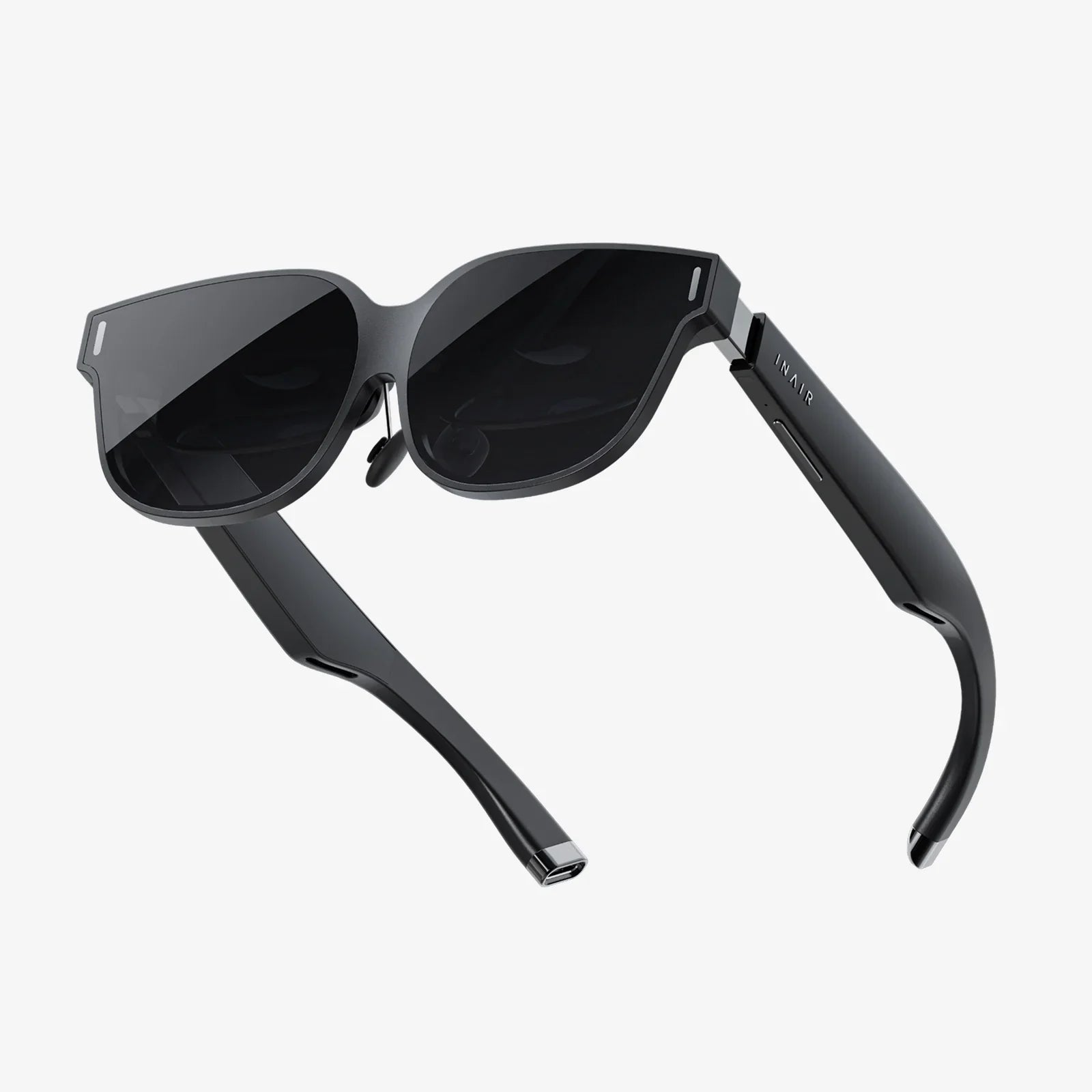
Hardware Evolution: The clunky, wired, and expensive headsets of the past are giving way to sleek, wireless, and more powerful devices. Standalone VR headsets are eliminating the need for a powerful PC. In the AR space, the industry is relentlessly pursuing the holy grail: a pair of stylish, lightweight glasses that offer high-resolution displays and all-day battery life. Achieving this form factor is considered a major inflection point for mass adoption.
5G Connectivity: The high bandwidth and low latency of 5G networks are essential for cloud-based XR. Instead of requiring immense processing power on the device itself, complex rendering can be done in the cloud and streamed seamlessly to lighter, more mobile headsets and glasses. This "untethers" XR experiences in a profound way, enabling richer content and more widespread use.
Artificial Intelligence and Machine Learning: AI is the invisible engine powering better XR. It is used for inside-out tracking (understanding the user's position in space), hand and eye tracking for more intuitive controls, and generating realistic avatars and environments. AI algorithms are crucial for understanding the physical world in MR, allowing digital objects to interact with it believably.
Despite the optimistic projections, the path to a $100+ billion market is not without significant hurdles.
Content Creation and Interoperability: The "killer app" for mass-market AR remains elusive. Creating high-quality, immersive XR content is still complex and expensive. Furthermore, the lack of interoperability between different platforms and devices threatens to fragment the ecosystem, hindering widespread development and adoption.
User Experience and Comfort: Issues like motion sickness in VR, often caused by latency between a user's movement and the visual response, persist. For AR, narrow fields of view and limited battery life in smart glasses remain barriers to all-day use. Overcoming these physiological and practical challenges is paramount.
Privacy, Security, and Ethics: XR devices, especially those with always-on cameras and microphones, collect unprecedented amounts of sensitive data about a user's environment, behavior, and even biometric responses. Establishing robust frameworks for data ownership, security, and ethical use is a monumental task that must be addressed to gain public trust.
Digital Divide and Accessibility: High costs could initially limit access to the benefits of XR, creating a new digital divide. Ensuring the technology is accessible to people with disabilities and developed with inclusive design principles is crucial for its equitable growth.
The companies and ecosystems that successfully navigate these challenges will be the ones to capture the lion's share of the market value.
While 2025 is a key milestone, it is merely a waypoint on a much longer journey. The trends defining the market today will continue to accelerate. We will see the lines between VR, AR, and MR blur into a continuum of contextual computing, where digital assistance is ambient and adaptive. The device itself may eventually become invisible, perhaps evolving into contact lenses or neural interfaces, further dissolving the barrier between ourselves and our digital extensions.
The economic impact will be vast, creating entirely new industries and job roles centered around the spatial web—a 3D, immersive evolution of the current internet. The extended reality market size in 2025 is the foundation upon which this future will be built, representing not just an industry, but a new layer of reality itself.
The numbers forecasting the extended reality market size in 2025 are a beacon, signaling a fundamental rewrite of the rules of engagement between humans, machines, and information. This isn't merely about putting on a headset; it's about augmenting human potential, breaking down geographical and physical limitations, and creating new worlds of experience, productivity, and connection. The race to define this new reality is already underway, and its economic and societal impact will undoubtedly reverberate far beyond the confines of any market report, shaping the very fabric of the decades to come.
Share:
Desktop VR Headset: The Ultimate Gateway to Immersive Digital Realms
Desktop VR Headset: The Ultimate Gateway to Immersive Digital Realms