


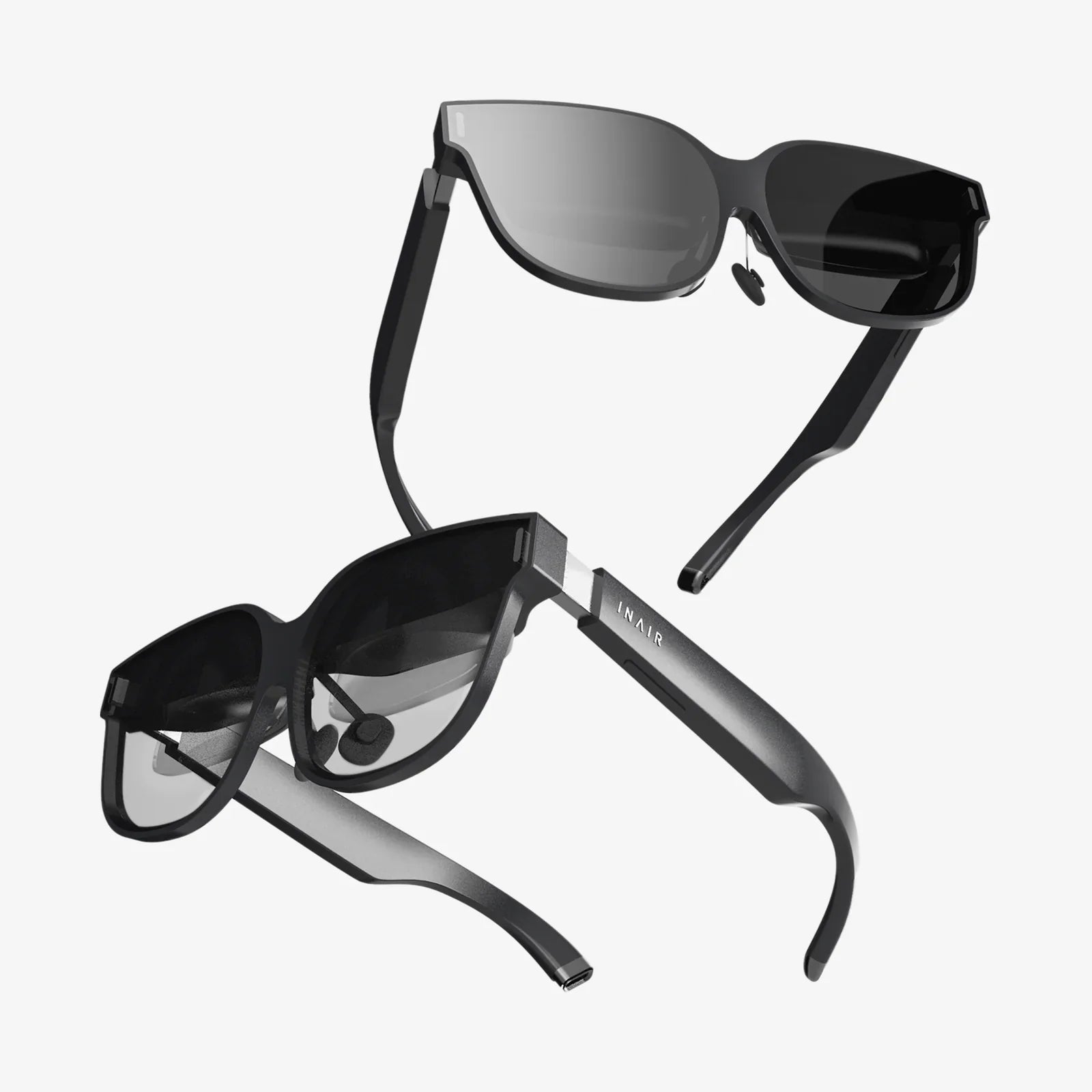
The world is on the cusp of a revolution, not on a screen, but all around us. Extended Reality (XR)—the umbrella term encompassing Virtual Reality (VR), Augmented Reality (AR), and Mixed Reality (MR)—promises to dissolve the boundaries between the digital and the physical, offering unprecedented ways to work, learn, play, and connect. But as we eagerly don headsets and step into these captivating new dimensions, a crucial question emerges from the immersive haze: at what cost to our safety? The allure of these experiences is undeniable, but the potential pitfalls, ranging from immediate physical stumbles to deep-seated psychological manipulations, form a complex web of risk that we are only beginning to unravel. This is not a call to halt progress, but a urgent plea to navigate it with our eyes wide open to the dangers that lie within both the virtual and the real.
The Spectrum of Immersion: Understanding the XR Landscape
Before dissecting the safety implications, it's vital to understand the terrain. Extended Reality isn't a single technology but a spectrum of immersive experiences.
On one end sits Virtual Reality (VR), a fully digital environment that completely occludes the user's physical surroundings. Through a head-mounted display and motion tracking, users are transported to computer-generated worlds, whether a fantastical game landscape, a virtual meeting room, or a surgical simulator. The primary safety concern here is isolation; the user is effectively blind and deaf to their actual environment.
On the other end is Augmented Reality (AR), which layers digital information onto the user's view of the real world. Using smartphones, smart glasses, or other transparent displays, users can see data, images, or animations superimposed on their physical space. Think of navigation arrows painted onto the street or a virtual dinosaur appearing in your living room. The safety challenge here is distraction; the digital overlay competes for attention with the very real world it occupies.
Bridging these two is Mixed Reality (MR), where digital and physical objects not only coexist but can interact in real-time. A virtual character might sit on your real couch, or you could use a digital controller to manipulate a real-world robot. This blending creates unique safety dilemmas where the line between what is safe to touch and what is not becomes dangerously blurred.
Physical Safety: Tripping Over the Real World
The most immediate and apparent dangers in XR are physical. A user engrossed in a VR game, dodging virtual bullets, can easily trip over a coffee table, walk into a wall, or strike a bystander with a wild gesture. These are not hypotheticals; injuries ranging from minor bruises to broken bones and concussions have already been documented.
Most VR systems address this with a guardian system or play boundary—a digital wall users define within their physical space. When they approach this boundary, a grid-like wall appears to warn them. However, these systems are not infallible. They can be set up incorrectly, ignored in the heat of the moment, or fail to account for objects within the play area like low-hanging lights or pets. Furthermore, AR experiences, which often encourage mobility in open spaces, present an even trickier challenge. A user chasing a digital creature across a city street is a danger to themselves and everyone around them, highlighting the critical need for situational awareness protocols that are far more robust than our current solutions.
Beyond acute impacts, the field of ergonomics presents another layer of physical risk. Headsets can be heavy, leading to neck strain with prolonged use. The phenomenon of cybersickness, a type of motion sickness induced by a disconnect between visual motion cues and the body's vestibular sense, can cause nausea, headaches, and dizziness, debilitating users for hours after a session. Repetitive motions, while using motion controllers, could also lead to new forms of repetitive strain injury (RSI), dubbed "VR arm." These chronic issues point to a need for better hardware design, mandatory breaks, and user education on safe usage patterns.
Psychological and Neurological Safety: The Mind's New Frontier
If the physical risks are the visible tip of the iceberg, the psychological effects are its massive, hidden bulk. XR's power lies in its ability to trick the brain into believing the experience is real—a phenomenon known as presence. This has incredible therapeutic potential for treating phobias or PTSD, but it also opens the door to unique forms of harm.
One of the most widely discussed psychological effects is simulator sickness, which shares symptoms with cybersickness but is rooted more deeply in the cognitive dissonance of immersion. More profoundly, users can experience reality blurring, where the boundaries between the virtual experience and real-world memories become fuzzy. After an intense VR session, a user might momentarily expect a real-world object to behave like its virtual counterpart or have difficulty placing a memory as happening in the physical or digital world.
The potential for trauma is also real. While a scary movie can be unsettling, a horror experience in VR, where the threat feels physically present and inescapable, can be genuinely traumatic, triggering anxiety and fear responses that linger long after the headset is removed. This underscores the necessity for clear and accurate content ratings that go beyond traditional film ratings to account for the uniquely intense nature of immersive media.
Perhaps the most significant psychological risk is that of behavioral manipulation and bias. XR experiences can be designed to use persuasive design techniques with far greater efficacy than flat screens. In a virtual environment, creators can control every sight, sound, and—increasingly—haptic sensation. This can be used for positive nudging, but it can also be harnessed for unethical advertising, political propaganda, or social engineering. Furthermore, if biometric data like eye-tracking, heart rate, and facial expressions are collected—as many new headsets allow—this data can be used to manipulate a user's emotional state in real-time or to build eerily accurate psychological profiles. The ethical implications of such neuro-capitalism are staggering.
Data Privacy and Security: Your Life, Rendered in Data
XR devices are not just windows into another world; they are some of the most sophisticated data collection machines ever devised. To function, they must constantly map and scan your physical environment, creating a detailed 3D model of your home, office, and other private spaces. They track your precise movements, down to the gesture of your hands and the focus of your gaze.
This creates an unprecedented privacy nightmare. This biometric and spatial data is incredibly sensitive. It can reveal not just where you are, but how you live, your daily routines, your body metrics, your unconscious reactions, and even your emotional state. A breach of this data could allow malicious actors to blackmail users, plan physical crimes using the layout of their home, or sell deeply personal information to the highest bidder.
The security of these devices is also a critical concern. A hacked headset could be used for harassment within the immersive experience itself—a far more violating form of cyberbullying known as virtual assault. It could also be used to spoof the guardian system, making a user believe they are in a safe, open virtual space when they are actually on the edge of a physical staircase. Ensuring robust encryption, secure data storage, and user-controlled data permissions is not a feature; it is a fundamental requirement for XR safety.
Social and Societal Safety: The New Digital Divide
The risks of XR extend beyond the individual to the fabric of society itself. As these technologies become primary platforms for social interaction and work, they risk exacerbating existing inequalities and creating new ones. The cost of high-quality hardware and the required computing power could create a new immersive divide, separating those who can afford full access to the metaverse from those who cannot.
Social interaction within XR also presents novel challenges. While it can foster connection across vast distances, it can also be a breeding ground for new forms of harassment and abuse. The sense of presence that makes a virtual handshake feel meaningful also makes virtual groping or threatening behavior feel intensely real and traumatic. Platform providers are scrambling to develop tools like personal boundaries (invisible bubbles around avatars) and robust reporting systems, but the problem is complex and culturally nuanced.
On a societal level, the potential for misuse is profound. Hyper-realistic deepfakes could be deployed in AR, making it appear as though a public figure is saying or doing something they are not, with terrifying implications for politics and social stability. Widespread adoption of AR filters that alter perception could lead to public safety issues if, for example, drivers use them while operating a vehicle. The societal rulebook for these technologies has yet to be written.
Charting a Path to Safe Adoption: A Multi-Stakeholder Approach
Mitigating these risks cannot be left to a single entity. It requires a concerted effort from technology developers, legislators, educators, and users themselves.
For Developers and Companies: Safety must be baked into the design process from the very beginning, a concept known as Safety by Design. This includes:
- Developing more intuitive and fail-safe guardian systems.
- Implementing robust, privacy-first data policies with transparent user consent.
- Creating advanced and easy-to-use safety tools for users to control their experience and report abuse.
- Funding independent, long-term research into the physiological and psychological effects of prolonged immersion.
- Establishing clear ethical guidelines for content creation, especially concerning behavioral manipulation.
For Legislators and Regulators: The law must evolve to address new realities. This involves:
- Creating modern legal frameworks that define digital trespassing, virtual assault, and the sanctity of biometric data.
- Updating product safety standards to include ergonomic and neurological health.
- Empowering agencies to oversee and audit algorithms for bias and manipulation.
- Fostering international cooperation to establish global norms and standards for XR safety and ethics.
For Users and Educators: Digital literacy must expand to include immersive literacy.
- Users must be taught to critically evaluate immersive experiences and understand the data they are generating.
- Parents and teachers need resources to guide younger users in navigating these spaces safely.
- Everyone must cultivate a healthy skepticism and learn to set their own boundaries for time and engagement, recognizing that the virtual world, for all its wonders, should enhance, not replace, the physical one.
The journey into extended reality is one of the most exciting technological adventures of our time. It holds the promise of solving some of humanity's oldest problems and unlocking new forms of creativity and human connection. But like any frontier, it is uncharted and carries inherent risks. Ignoring these risks in a blind rush toward immersion would be a catastrophic error. Instead, we must proceed with both wonder and vigilance, building the guardrails and ethics for this new world in parallel with the technology itself. Our safety, our privacy, and our very perception of reality depend on the choices we make today. The future is immersive—let's ensure it's a future we can all experience safely and responsibly.
Share:
AR Headset Price in India: A 2024 Buyer's Guide to the Market
Guide to Buying VR Headset: Your Ultimate Handbook for the Perfect Purchase