


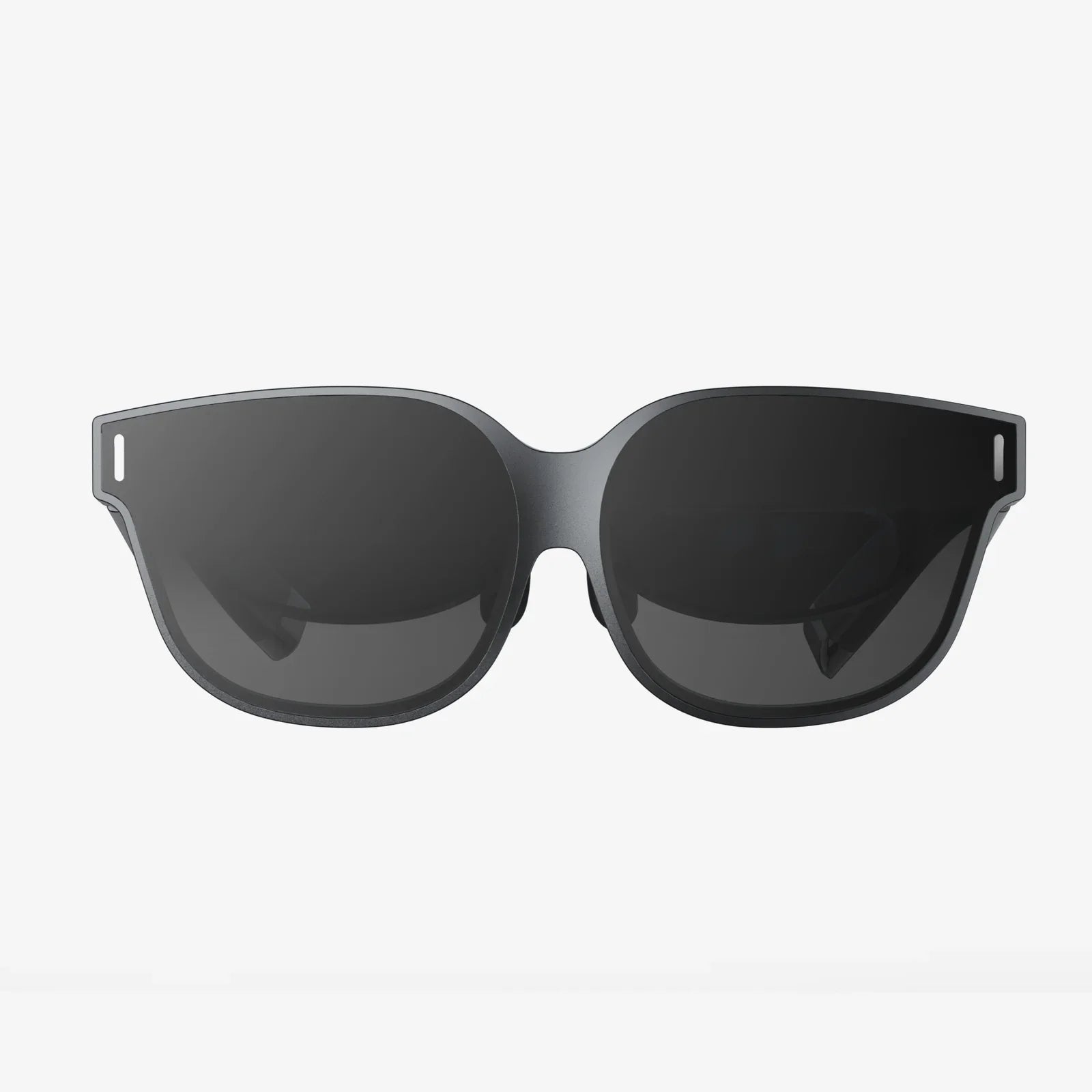
Imagine a world where the line between the digital and the physical blurs into irrelevance, where you can learn complex surgery, walk through ancient ruins, or design a skyscraper without leaving your home. This is not a distant sci-fi fantasy; it is the palpable present and explosive future being built today through the power of Extended Reality technology. The term might sound futuristic, but its examples are already weaving themselves into the fabric of our daily lives, promising to redefine human experience in ways we are only beginning to comprehend.
Demystifying the Extended Reality (XR) Universe
Before we delve into the myriad examples, it is crucial to understand what Extended Reality truly encompasses. XR is not a single technology but an umbrella term that brings together all immersive technologies. It represents a spectrum that blends the physical and virtual worlds, creating new environments and human-machine interactions. This spectrum is primarily anchored by three core technologies, each with distinct characteristics and applications.
- Virtual Reality (VR): This is the most immersive end of the spectrum. VR creates a completely computer-generated, digital environment that replaces the user's real-world surroundings. Using a head-mounted display (HMD), users are fully immersed in a simulated world, often with the aid of controllers for interaction.
- Augmented Reality (AR): AR overlays digital information—such as images, text, or 3D models—onto the user's view of the real world. Unlike VR, it does not replace reality but enhances it. This is most commonly experienced through smartphone screens, tablets, or specialized glasses.
- Mixed Reality (MR): Sitting between AR and VR, MR is the most advanced and interactive facet of XR. It not only overlays but anchors digital objects into the real world, allowing users to interact with both physical and virtual elements simultaneously. These digital objects can be obscured by real-world objects and behave as if they genuinely exist in the user's space.
With this framework in mind, let's explore the tangible, real-world examples that are bringing this technology to life across various sectors.
Virtual Reality in Action: Total Immersion for Training and Therapy
VR's ability to create fully controlled, repeatable, and safe simulated environments makes it a powerhouse for high-stakes training and profound therapeutic applications.
Revolutionizing Medical and Surgical Training
Medical schools and institutions are leveraging VR to train the next generation of surgeons and doctors. Trainees can step into a hyper-realistic operating theater and practice complex procedures on virtual patients. These simulations provide haptic feedback, allowing users to feel the resistance of tissue and the precision of incisions without any risk to a living person. This hands-on, experiential learning drastically reduces the learning curve and improves competency before a professional ever steps into a real operating room.
Conquering Phobias and Managing Mental Health
In the realm of psychotherapy, VR exposure therapy (VRET) has emerged as a groundbreaking tool. Clinicians can gradually and safely expose patients to the sources of their phobias—be it fear of heights (acrophobia), flying (aerophobia), or public speaking—within a virtual space. For a patient with a fear of heights, a therapist can guide them up a virtual skyscraper, controlling the environment to ensure a progressive and manageable therapeutic experience. This controlled exposure is highly effective for treating PTSD, anxiety disorders, and phobias.
Transforming Corporate and Industrial Training
Beyond medicine, VR is used to train employees in high-risk industries. For example, utility workers can practice working on live electrical equipment in a virtual environment, where mistakes result in a simulation reset rather than a catastrophic accident. Similarly, aviation giants use VR to train pilots and ground crew in complex procedures and emergency protocols, saving millions on physical simulator costs while providing more accessible training.
Augmented Reality Examples: Enhancing the World Around Us
AR's strength lies in its accessibility and its ability to provide contextual information directly into our field of view, making it ideal for consumer applications, navigation, and retail.
The Retail and Try-Before-You-Buy Revolution
The furniture and home decor industry has been transformed by AR. Applications now allow users to point their smartphone camera at a room and see how a new sofa, lamp, or table would look and fit in their actual living space, scaled to perfection. This eliminates the guesswork from online shopping and significantly reduces return rates. Similarly, cosmetic companies offer AR filters that let customers virtually try on different shades of lipstick, eyeshadow, or foundation, providing a personalized shopping experience from home.
Interactive Navigation and City Exploration
Forget looking down at a blue dot on a map. Next-generation navigation systems use AR overlays through a smartphone's camera or smart glasses. Directions are superimposed onto the real world, with arrows and street names painted onto the pavement in front of you, making navigation intuitive and seamless. Tourist applications also use this technology; by pointing a device at a monument, historical building, or museum exhibit, users can see informational overlays, 3D reconstructions of ruins, or historical footage, creating a deeply engaging and educational experience.
Industrial Maintenance and Remote Assistance
In factories and on production lines, technicians wearing AR smart glasses can see digital schematics and step-by-step repair instructions overlaid directly onto the malfunctioning machinery they are fixing. This hands-free access to information increases efficiency and reduces errors. Furthermore, a senior engineer located thousands of miles away can see what the on-site technician sees and draw digital arrows or annotations directly into their field of view, guiding them through a complex repair in real-time.
Mixed Reality: Where the Digital and Physical Coexist and Interact
MR represents the cutting edge of XR, creating persistent digital content that interacts intelligently with the physical environment.
Next-Level Architectural Design and Prototyping
Architects and engineers are using MR to bring their blueprints and 3D models to life. They can place a full-scale, holographic model of a new building onto an empty plot of land and walk through it alongside clients. They can test how sunlight will fall into a room at different times of day, assess sightlines, and make real-time changes to the structure. In manufacturing, product designers can collaborate on a virtual prototype of a new engine, examining how virtual parts fit together with physical components, drastically accelerating the design and iteration process.
The Future of Collaborative Workspaces
MR is poised to redefine remote collaboration. Instead of a grid of faces on a video call, meeting participants from around the globe can join a shared virtual workspace as avatars or holograms. They can interact with the same 3D data models, brainstorm on virtual whiteboards that exist in the room, and manipulate digital objects as if they were all physically present together. This creates a sense of shared presence and collaboration that flat screens cannot replicate.
XR in Education: The Ultimate Interactive Classroom
The educational potential of XR is staggering, offering students experiential learning that was previously impossible.
Virtual Field Trips and Historical Time Travel
Students are no longer confined by the walls of their classroom or the school's budget. With VR, they can take a field trip to the surface of Mars, the depths of the ocean, or the Colosseum in ancient Rome. They can witness historical events unfold around them, offering a profound sense of empathy and understanding that textbooks cannot provide. AR apps can bring textbook diagrams to life, allowing a student to explore a beating heart in 3D or watch a dinosaur walk across their desk.
Skills Development and Safe Practice
From welding to complex laboratory experiments, XR provides a safe sandbox for students to learn and make mistakes. Chemistry students can combine volatile virtual chemicals without risk of explosion. Vocational students can practice using heavy machinery, gaining muscle memory and operational knowledge in a zero-risk environment. This democratizes access to high-quality, hands-on training regardless of a school's resources.
Challenges and The Path Forward for XR
Despite its immense potential, the widespread adoption of XR faces hurdles. Hardware needs to become lighter, more comfortable, and more affordable. Issues of user privacy, data security, and the potential for prolonged use to cause physical discomfort or cyber-sickness must be addressed. Furthermore, creating high-quality, realistic XR content remains a complex and expensive endeavor. However, with rapid advancements in processing power, display technology, and 5G connectivity, these barriers are steadily crumbling.
The examples of extended reality technology are no longer confined to research labs and tech conferences; they are actively building a new layer of reality over our own. They are enhancing how we work, healing our minds and bodies, revolutionizing how we learn, and opening up new frontiers of human connection and creativity. We are standing at the precipice of a fundamental shift in how we perceive and interact with information, and the view from here is nothing short of extraordinary.
Share:
How Much VR Headset Cost: A Complete Price Breakdown Guide
AR Headset News Today: The Dawn of a New Reality and What It Means for You