


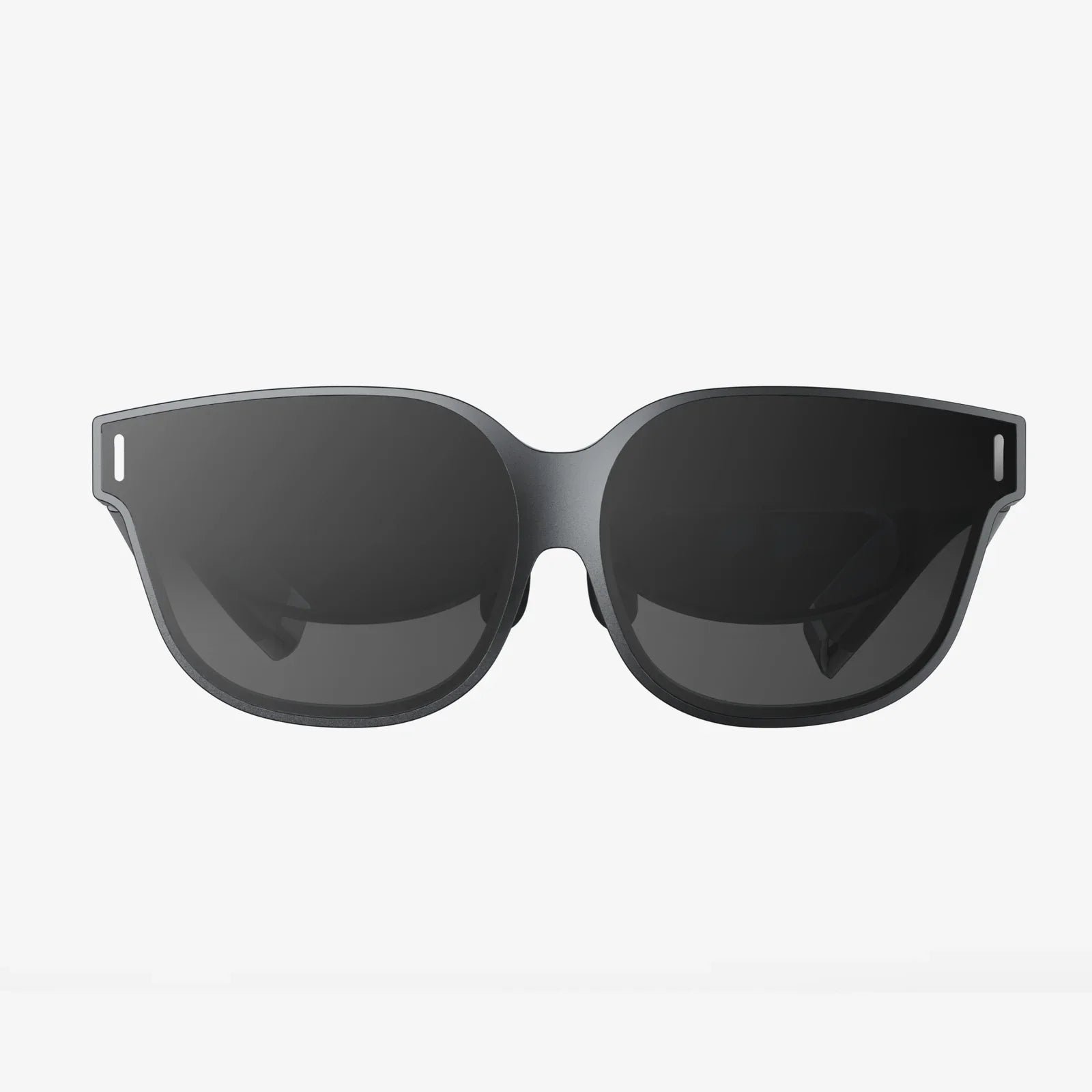
You might not see it on your daily news feed, but a silent, seismic shift is happening right now, not in some distant lab but in the very fabric of how we interact with the digital and physical worlds. This isn't about a futuristic promise; it's about the tangible, groundbreaking extended reality updates today that are actively dismantling the boundaries of the possible. From the operating room to the factory floor, from the classroom to the living room, XR is ceasing to be a novelty and is rapidly becoming a necessity, weaving itself into the core of our professional and personal lives. The revolution is not coming; it is being downloaded, updated, and deployed at this very moment.
The Engine Room: Breakthroughs Powering Today's XR Evolution
The dramatic leaps we are witnessing are not accidental. They are the result of concurrent breakthroughs across multiple technological fronts, each solving a critical piece of the XR puzzle and making these experiences more powerful, accessible, and compelling than ever before.
The Invisible Bridge: Advancements in 5G and Edge Computing
For years, high-fidelity XR was tethered—literally and figuratively—to powerful, stationary computers. The dream of untethered, photorealistic immersion was hampered by the latency and bandwidth limitations of wireless networks. Today, the widespread rollout of 5G and sophisticated edge computing is severing that cord for good. 5G’s high bandwidth and ultra-low latency allow vast amounts of visual data to stream seamlessly to headsets, while edge computing offloads the intense processing from the device itself to powerful local servers. This means lighter, more comfortable headsets can deliver experiences that were previously the domain of bulky, wired setups, enabling true freedom of movement and collaboration in shared virtual spaces.
Seeing and Understanding: The AI and Sensor Revolution
Modern XR devices are equipped with a suite of sophisticated sensors—LiDAR, depth sensors, high-resolution cameras—that constantly scan and map the user's environment. But raw sensor data is meaningless without intelligence. This is where artificial intelligence, specifically machine learning and computer vision, performs its magic. Today's updates include AI algorithms that can instantly understand the geometry of a room, identify and classify objects (is that a chair, a table, a wall?), and track user movement with sub-millimeter accuracy. This allows for incredibly stable occlusion (where digital objects convincingly pass behind real-world ones), intuitive gesture controls, and a deep, contextual understanding of the user's environment, making the blend of real and virtual truly seamless.
The Visual Leap: Lightweight Optics and Micro-LED Displays
The classic critique of VR headsets—that they are too heavy, the resolution too low, and the field of view too narrow—is being systematically addressed by today’s hardware innovations. Pancake lenses are replacing older, heavier Fresnel lenses, slimming down headset profiles significantly. More crucially, the emergence of micro-LED displays promises a monumental leap in visual fidelity. These self-emissive displays offer unparalleled brightness, perfect blacks, incredibly high resolution, and fast response times, all while being extremely power-efficient. This combination results in visuals that are not just clearer, but more vibrant and lifelike, drastically reducing the screen-door effect and bringing virtual worlds into stunning focus.
Transforming the Blueprint: XR in Industry and Enterprise
While consumer applications grab headlines, the most impactful extended reality updates today are occurring in enterprise and industrial settings, where they are solving real-world problems and delivering measurable ROI.
Revolutionizing Design and Prototyping
The days of physical clay models and countless physical prototypes are fading fast. Automotive, aerospace, and architecture firms are now using immersive VR to design and prototype in real-time and at 1:1 scale. Designers and engineers from across the globe can don a headset and stand inside a full-scale model of a new building or a vehicle's interior, inspecting details, testing ergonomics, and making collaborative changes before a single physical resource is expended. This not only slashes development costs and time but also unlocks a new level of creative iteration and validation.
The Future of Training and Simulation
From training surgeons for complex procedures to preparing astronauts for missions or teaching technicians to repair intricate machinery, XR provides a risk-free, highly effective training ground. Today’s updates enable hyper-realistic simulations that respond with physical accuracy. Trainees can practice delicate surgical steps, experience high-pressure scenarios like emergency evacuations, or learn the intricacies of a new engine—all in a virtual environment where mistakes are learning opportunities, not catastrophic failures. This hands-on, immersive learning dramatically improves knowledge retention and skill proficiency.
Powering the Remote Expert and Digital Twin
Augmented Reality is transforming field service and maintenance. Through AR glasses or even a tablet, a frontline worker can receive real-time, hands-on guidance from a remote expert thousands of miles away. The expert can see the worker's view and overlay precise annotations, arrows, and instructions directly onto the machinery in front of them. Furthermore, this is being integrated with the concept of the 'digital twin'—a live, virtual replica of a physical asset. An engineer can see real-time sensor data, performance metrics, and historical maintenance records overlaid on the physical equipment through their AR view, enabling predictive maintenance and instantaneous diagnostics.
Redefining Connection: The Social and Collaborative Metaverse
The concept of the metaverse has been both hyped and mocked, but beneath the noise, genuine progress is being made in creating persistent, shared virtual spaces for human interaction.
Beyond the Video Call: Immersive Collaboration
Video conferencing kept businesses running during global lockdowns, but it is a poor substitute for the nuance and dynamism of in-person collaboration. Today's XR platforms are creating virtual meeting rooms where participants, represented by expressive avatars, can share 3D models, brainstorm on virtual whiteboards, and interact with data in three dimensions. The sense of shared presence—of being in a room with someone, making eye contact, and using natural gestures—fosters a level of engagement and creativity that flat screens cannot match. This is evolving into the development of persistent virtual offices and campuses, offering a new paradigm for remote work.
Avatar Evolution and Embodied Expression
A critical update in this sphere is the move beyond static or cartoonish avatars. Advanced face and eye-tracking technology, now being integrated into new headsets, allows avatars to mirror the user's subtle facial expressions, eye movements, and lip-syncing in real-time. This 'embodiment' is crucial for non-verbal communication, building trust, and conveying empathy. When your digital representative can genuinely smile, frown, or look confused, interaction becomes profoundly more human, breaking down the barriers of digital communication.
The Hurdles Ahead: Navigating the XR Landscape
Despite the breathtaking pace of change, significant challenges remain before XR achieves universal adoption. Acknowledging and solving these issues is a core part of the current development cycle.
The Quest for the Perfect Form Factor
The ultimate goal remains a pair of stylish, lightweight glasses that can seamlessly toggle between AR and VR. We are not there yet. While headsets are getting smaller, achieving all-day comfort, high performance, and long battery life in a socially acceptable form factor is the industry's holy grail. Current research into holographic optics, new waveguide technologies, and even more compact micro-LEDs is intensely focused on solving this final puzzle.
The Privacy Paradigm: A World of Sensors
XR devices are, by their nature, data-collection machines. They have cameras and microphones that constantly observe your environment, your body, and your behavior. This raises monumental questions about data ownership, privacy, and security. How is this intimate data stored, used, and protected? Who has access to the video feed of your home or office? Establishing clear, transparent, and user-centric ethical frameworks and regulations is not an option but a prerequisite for a healthy XR ecosystem. The industry is grappling with these questions today.
Combating Digital Fatigue and Ensuring Well-being
Prolonged use of XR can lead to visual fatigue, simulator sickness, and a sense of disembodiment often called 'cybersickness.' Mitigating these effects through better hardware (like varifocal displays that mimic the eye's natural focus) and smarter software is an ongoing battle. Furthermore, as these immersive experiences become more compelling, understanding their long-term psychological impact and establishing healthy usage patterns will be critical for societal well-being.
Imagine a world where your physical surroundings are not a limit but a canvas, where expertise is beamed directly into your field of vision, and where connecting with a colleague on another continent feels as natural as shaking their hand. This is not a scene from science fiction; it is the direct result of the relentless, real-world extended reality updates happening today. The devices are smarter, the networks are faster, and the applications are more profound than most realize. The boundary between what is real and what is digital is not just blurring—it's being deliberately and brilliantly redesigned, and those who choose to look will find the future is already here, waiting to be explored.
Share:
New AR Headset: Redefining Reality and Reshaping Our Digital Future
What Do You Connect a VR Headset To - A Complete Guide to VR Hardware Requirements