


In a world saturated with visuals, from the high-resolution photos on our phones to the endless stream of video content, a silent revolution is underway. It’s not just about the number of pixels; it’s about the depth of information each pixel contains and the vast, interconnected web of data that a single image can now represent. This is the world of the extent image—a concept that moves beyond the flat, two-dimensional picture to encompass a multidimensional dataset rich with context, metadata, and potential. The very nature of what constitutes an image is expanding, and understanding this shift is key to grasping the future of technology, creativity, and even society itself. The journey from a simple photograph to a complex, data-laden extent image is one of the most significant yet underappreciated evolutions in the digital age.
The Technical Architecture of an Extent Image
At its core, an extent image is not merely a visual artifact; it is a structured container of information. Traditional digital images are defined by their spatial dimensions—width and height—and their color depth. An extent image inherits these attributes but extends them into new dimensions, both literally and figuratively.
The most common extension is into the spectral dimension. While a standard RGB (Red, Green, Blue) image captures three slices of the light spectrum, an extent image might capture hundreds. This technique, often referred to as hyperspectral imaging, records information across the electromagnetic spectrum, far beyond the narrow band visible to the human eye. Each pixel becomes a detailed spectral signature, capable of identifying materials, detecting contaminants, or revealing hidden features. A simple photograph of a leaf becomes a dataset that can determine its water content, nutrient levels, and health status.
Another critical dimension is time. A time-series extent image, such as those generated by satellite constellations monitoring Earth, stacks images of the same location over days, months, and years. This creates a powerful chronological dataset where change is not just observed but quantified and analyzed. Pixel-by-pixel comparisons can track deforestation, urban sprawl, glacial retreat, and the impacts of natural disasters with astonishing precision.
Furthermore, the extent is defined by its embedded metadata. This includes geospatial coordinates (geotagging), the type of sensor used, calibration data, atmospheric conditions, and processing history. This metadata transforms the image from a standalone object into a node within a larger network of information, ensuring its provenance and enabling its integration with other datasets for complex analytical models.
Revolutionizing Industries: The Practical Applications
The move from simple images to extent images is not an academic exercise; it is driving profound change across a wide array of fields, enabling new capabilities and unlocking insights previously thought impossible.
Precision Agriculture and Environmental Monitoring
In agriculture, drones and satellites equipped with advanced sensors capture extent images of fields. By analyzing the spectral data, algorithms can identify areas of stress long before the human eye can see yellowing leaves. Farmers can then apply water, fertilizers, or pesticides only where needed, boosting yields while dramatically reducing environmental impact. Similarly, environmental scientists use temporal extent images to monitor ecosystem health, track wildlife populations, and measure the effects of climate change on a global scale.
Medical Diagnostics and Healthcare
The medical field has embraced the concept of the extent image for decades, often under the guise of medical imaging. A MRI or CT scan is a quintessential extent image—a three-dimensional volumetric dataset where each voxel (a 3D pixel) contains information about tissue density. Advanced techniques now add a functional or metabolic dimension, showing not just structure but activity. This allows clinicians to pinpoint tumors, understand neurological disorders, and plan complex surgeries with a level of detail that two-dimensional X-rays could never provide.
Industrial Inspection and Quality Control
On manufacturing lines, hyperspectral cameras can perform tasks impossible for human inspectors. An extent image of a pharmaceutical pill can verify its chemical composition and ensure it hasn’t been contaminated. In electronics manufacturing, thermal imaging cameras create extent images that map heat dissipation across a circuit board, identifying faulty components before they fail. This shift from subjective visual inspection to objective, data-driven analysis is enhancing safety and efficiency.
Cultural Heritage and Archaeology
Researchers are using extent imaging to see through time. Multispectral imaging can reveal faded ink on ancient parchments, uncover preliminary sketches hidden beneath the surface of famous paintings, or map archaeological sites from the air, revealing buried structures through subtle variations in vegetation growth. These techniques allow us to preserve and understand our cultural heritage without causing any damage to the original artifacts.
The Ethical Chasm: Privacy, Surveillance, and Manipulation
With great power comes great responsibility, and the capabilities of extent imaging open a profound ethical chasm. The same technology that can diagnose disease can also be used for unprecedented invasion of privacy.
The concept of public space is eroding. A hyperspectral sensor on a drone could potentially see through certain materials, turning a simple flyover into a intrusive scan of private property. Facial recognition, when combined with other data layers, could evolve into gait analysis or even the remote monitoring of physiological signs like heart rate, turning city squares into open-air laboratories for constant, unwitting surveillance.
Furthermore, the complexity of extent images makes them uniquely susceptible to sophisticated manipulation. While photo editing can alter a picture, altering a multidimensional dataset—including spectral signatures, metadata, and temporal consistency—requires a deeper level of forgery. This creates a dangerous potential for "deepfake" imagery on a industrial or geopolitical scale, where satellite imagery could be falsified to provide false evidence for military action or to manipulate financial markets. Verifying the authenticity of an extent image will become one of the critical challenges of the information age.
The ownership and control of this data also present urgent questions. Who owns the hyperspectral signature of your property? Who has the right to the temporal image of your daily life captured by city-wide sensors? Establishing legal and ethical frameworks to govern the capture, use, and sale of extent image data is a pressing societal task that lags far behind the technology itself.
The Future: Integration with AI and the Metaverse
The trajectory of extent imaging points toward even deeper integration with other transformative technologies, primarily Artificial Intelligence (AI) and the emergent concept of the metaverse.
AI and machine learning algorithms are the perfect partners for analyzing extent images. The vast, multidimensional datasets are too complex for humans to parse manually. AI models can be trained to find patterns, anomalies, and correlations across the spectral, spatial, and temporal dimensions, turning raw data into actionable intelligence. This synergy is accelerating discoveries in every field, from astronomy to zoology.
Looking ahead, extent images will form the foundational data for building realistic and interactive digital twins of the real world. The vision of a high-fidelity metaverse—a persistent, virtual space mirroring our own—relies entirely on our ability to capture and render the real world in extreme detail. This goes beyond simple 3D models; it requires capturing the light, texture, and material properties of objects, effectively creating a living, breathing extent image of entire cities and landscapes. This digital replica could then be used for urban planning, disaster simulation, virtual tourism, and remote collaboration in ways we are only beginning to imagine.
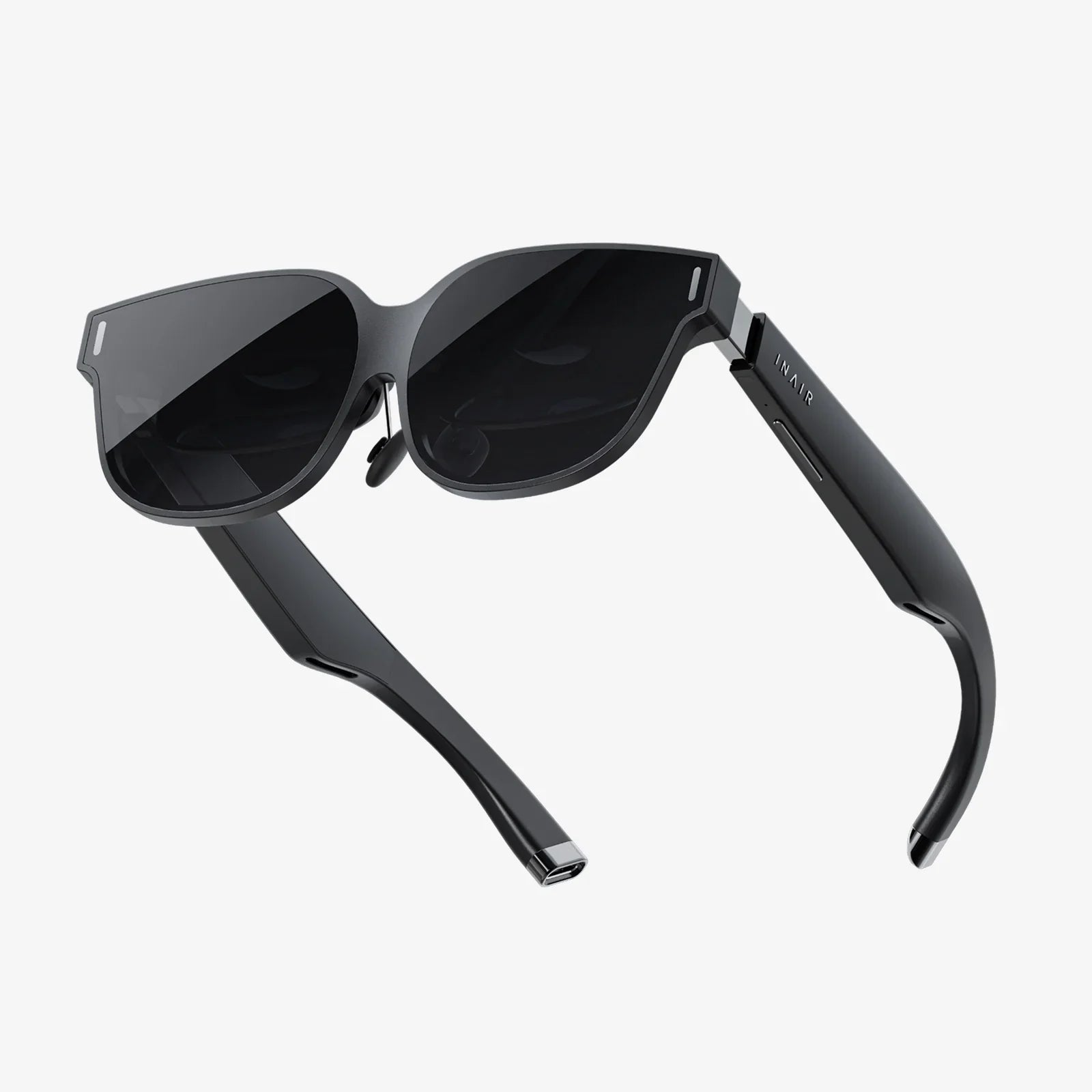
The next frontier may well be the direct integration of this imaging technology with human perception through augmented reality (AR) systems. Imagine smart glasses that don’t just overlay digital information but allow you to see the world in different spectral bands, highlighting everything from energy leaks in a building to the health of the people around you. The extent image would then not just be something we analyze on a screen, but a layer through which we directly perceive and interact with reality.
We are standing at the precipice of a new visual era, where the snapshot is being replaced by the dataset, and the photograph by a dynamic, information-rich portal. The extent image is the key that unlocks this door, offering a glimpse into a future where our vision is no longer limited by biology but extended by technology. The picture will never be the same again, and its full potential is only just coming into focus.
Share:
Best 2K AR Glasses: The Ultimate Guide to High-Definition Augmented Reality
Best 2K AR Glasses: The Ultimate Guide to High-Definition Augmented Reality