


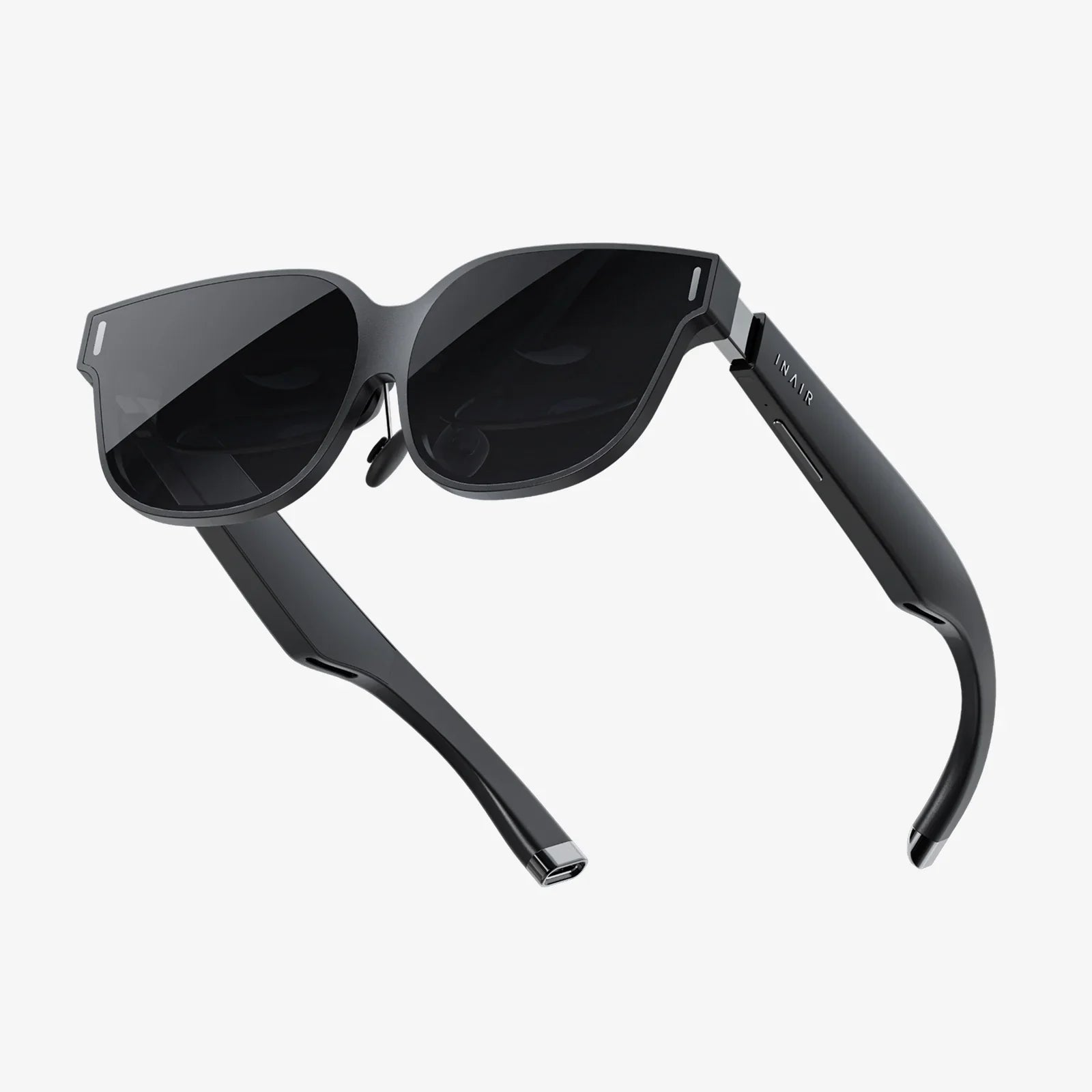
- by wangfred
Eyeglass Direct: The Ultimate Guide to Revolutionizing Your Vision and Style
- by wangfred
Imagine a world where the perfect pair of glasses is just a few clicks away, where the daunting trip to a crowded optical store is replaced by the comfort of your own home, and where choice, convenience, and cost savings converge to revolutionize the way you see the world. This is the promise of the Eyeglass Direct model, a seismic shift in the optical industry that is empowering consumers like never before. The journey to clearer vision and a bolder style has been fundamentally transformed, and it’s time to see how.
For decades, acquiring a new pair of eyeglasses followed a familiar, and often expensive, ritual. The process was linear: visit an optometrist for an eye exam, receive a prescription, and then be guided through a limited selection of frames by an optical technician whose suggestions were often influenced by store inventory and sales targets. This traditional brick-and-mortar model, while personal, came with significant overhead costs—prime retail space, extensive inventory, and commissioned staff—all of which were factored into the final price tag paid by the consumer.
The emergence of the Eyeglass Direct paradigm shattered this linear process. By operating primarily online, these ventures cut out the middleman, dealing directly with the customers. This direct-to-consumer (DTC) approach eliminates layers of cost, allowing for a dramatic reduction in price without sacrificing quality. The savings are not just financial; it's a savings of time and convenience. The entire optical marketplace is now accessible 24/7 from any device, offering an unparalleled breadth of styles that no physical store could ever hope to stock. This model has democratized vision care, making it more accessible and affordable for millions.
Venturing into the world of online eyewear might seem daunting at first, but the process is designed to be intuitive and user-friendly. Here’s how to navigate it successfully.
Your journey begins with a valid, up-to-date prescription. An in-person eye exam with a qualified optometrist or ophthalmologist is non-negotiable for your ocular health. This visit checks for more than just blurry vision; it’s a critical health screening for conditions like glaucoma, cataracts, and macular degeneration. Once you have your prescription in hand, note all the details: sphere (SPH), cylinder (CYL), axis, pupillary distance (PD), and any add power for bifocals or progressives. Your PD is crucial and is sometimes omitted from standard prescriptions, so be sure to ask for it.
This is where technology truly shines. The biggest hesitation about buying glasses online—not being able to try them on—has been elegantly solved. Advanced platforms utilize augmented reality (AR) and sophisticated facial mapping technology. Using your device's camera, these systems create a 3D model of your face, allowing you to "try on" hundreds of frames virtually. You can see how different shapes, sizes, and colors look from every angle, in different lighting, and even share the images with friends for a second opinion. Tips for using this tool effectively include ensuring good lighting on your face, looking straight at the camera, and trying a variety of styles outside your usual comfort zone.
Choosing a frame is an art that balances aesthetics with anatomy. Understanding your face shape is key. Oval faces can pull off most styles, while square faces are often complemented by round or oval frames to soften angles. Round faces benefit from angular, rectangular frames to add definition, and heart-shaped faces look great with frames that are wider at the bottom. Beyond shape, consider size proportions, the bridge fit to avoid gaps or pressure points, and the temple length to ensure a comfortable fit behind your ears. Material is also important, with options ranging from lightweight titanium and flexible memory metal to classic acetate and sustainable materials like wood or recycled plastics.
The frames may be the fashion, but the lenses are the function. The choices here are vast and vital for visual comfort. The basic lens material for most is lightweight and impact-resistant polycarbonate, which includes built-in UV protection. For those with stronger prescriptions, high-index lenses are thinner and lighter. Then come the coatings: anti-reflective coating reduces glare from screens and headlights, scratch-resistant coating protects your investment, and blue light filtering coatings can help reduce digital eye strain from prolonged screen use. For those needing multifocal lenses, the online process has adapted beautifully, offering detailed guides on measuring segment heights accurately to ensure your progressive or bifocal lenses are perfectly aligned.
The most obvious benefit of the Eyeglass Direct model is the significant cost savings, often 50-70% less than traditional stores. But the advantages run much deeper.
While transformative, the model is not without its considerations. The primary concern is the lack of in-person professional fitting. A skilled optician does more than just sell frames; they adjust them for a perfect, comfortable fit. However, many online retailers have mitigated this by offering free return policies for exchanges and robust customer service support. Some even partner with local opticians for adjustments. For individuals with very complex prescriptions, particularly high-powered progressives, the traditional route might still be preferable for the initial fitting assurance. Ultimately, it's about weighing the immense convenience and savings against the need for that hands-on service.
The Eyeglass Direct industry is not static; it’s constantly evolving. We are moving towards even more personalized experiences powered by artificial intelligence (AI) that can recommend frames based on your past purchases, face shape, and even your style preferences. Virtual try-on technology is becoming hyper-realistic. Furthermore, the focus on sustainability is growing, with companies developing frames from ocean plastics, recycled metals, and bio-acetates, and implementing carbon-neutral shipping practices. The integration of health tech is also on the horizon, with discussions around smart glasses that can monitor health metrics, though this remains largely in the future for now.
Your vision is your connection to the world, and the tools you use to enhance it should be a source of confidence, joy, and expression, not frustration and financial strain. The Eyeglass Direct movement has torn down the old barriers, placing an infinite showroom at your fingertips and empowering you to make informed choices on your own terms. It’s a smarter, more stylish, and profoundly more accessible way to see clearly. The next frontier of eyewear isn't in a distant store; it's right here, waiting for you to hit refresh and discover a new way of looking at everything.
Share:
Hyper-Realistic Virtual Reality The Final Frontier of Human Experience and Digital Deception
Virtual and Augmented Reality Market: A Deep Dive into the Next Digital Frontier