


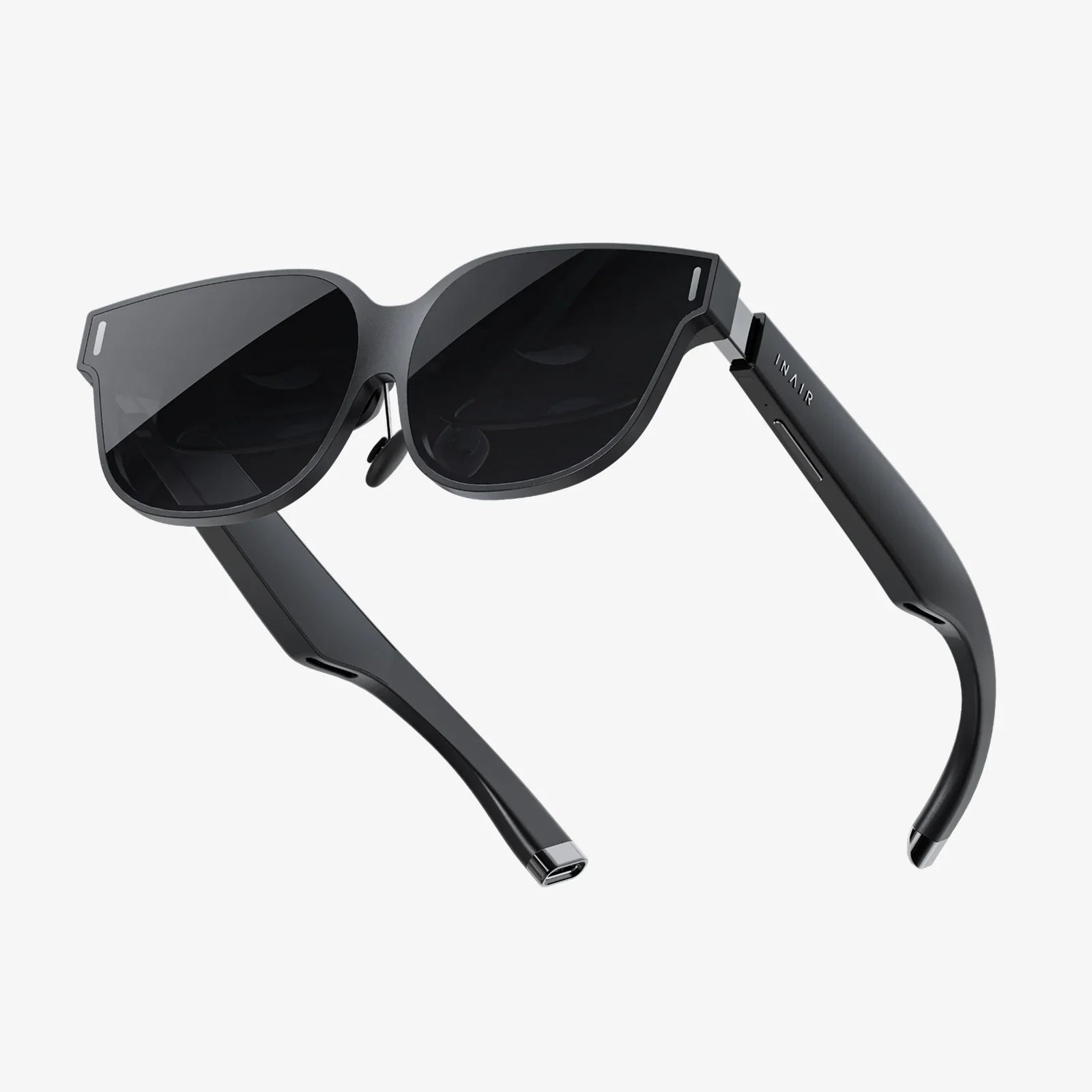
Eyeglass display decisions can quietly make or break your eyewear sales. Two stores can carry similar frames, yet the one with smarter displays will consistently sell more, inspire stronger loyalty, and command higher perceived value. If your shelves look cluttered, your frames feel generic, or your customers seem overwhelmed instead of excited, your display strategy is probably costing you real money every single day.
By rethinking how you present frames, how customers move through your space, and how you tell visual stories with your displays, you can turn a basic optical area into a destination that people talk about, remember, and return to. The right eyeglass display does not just hold products; it guides choices, builds confidence, and makes every pair feel like a personal upgrade.
Why Eyeglass Display Design Matters More Than You Think
Eyeglasses are both medical devices and fashion accessories. That dual identity makes display design uniquely important. Customers are not only looking for something that corrects their vision; they also want an item that fits their personality, lifestyle, and self-image. Your eyeglass display acts as the bridge between technical function and emotional desire.
Several powerful forces are at work when someone stands in front of a frame wall:
- First impressions: Within seconds, the brain decides whether the area feels premium, trustworthy, playful, or cheap.
- Decision fatigue: Too many frames with no organization leads to confusion and frustration.
- Perceived value: Clean, well-lit, curated displays make frames feel more valuable and worth higher price points.
- Emotional connection: Displays that tell style stories help customers imagine the frames on their own faces and in their real lives.
When you intentionally design your eyeglass display around these psychological realities, you stop relying on chance and start using your physical environment as a sales tool.
Key Types of Eyeglass Displays and When to Use Them
Different display formats serve different purposes. A strong eyewear environment usually combines several types to guide customers from discovery to decision.
Wall-Mounted Eyeglass Displays
Wall displays are the backbone of most optical spaces. They provide high visibility and can hold a large number of frames without consuming floor space.
- Best for: Core collections, everyday styles, and high-volume categories.
- Advantages: Clean sightlines, efficient use of space, easy comparison between frames.
- Tips: Group by category, style, or price level; avoid packing every inch of wall space.
Wall displays should not feel like warehouse shelving. Thoughtful spacing, clear signage, and lighting transform them from storage to storytelling.
Countertop and Tabletop Eyeglass Displays
Countertop units and tables are ideal for highlighting specific frames you want to push. They sit within easy reach and naturally attract attention during consultations or checkout.
- Best for: New arrivals, seasonal looks, or limited-time offers.
- Advantages: Close interaction, easy to refresh, strong focal points.
- Tips: Keep them uncluttered; feature a small, curated selection rather than dozens of frames.
These displays are perfect for rotating themes and for testing which styles resonate with your customers before expanding the selection.
Rotating and Freestanding Eyeglass Displays
Freestanding displays can be placed anywhere in your layout and often feature rotating racks or towers. They are flexible but can quickly look chaotic if not carefully curated.
- Best for: Secondary collections, kids’ eyewear, or value ranges.
- Advantages: Flexible placement, good for smaller spaces, easy to move.
- Tips: Avoid overfilling; maintain clear labels and ensure they do not block sightlines.
These displays work best when they support your main wall and countertop displays rather than competing with them.
Window Eyeglass Displays
Your window is the first eyeglass display most people see, whether they are walking past your storefront or visiting your website and then arriving in person. It is your invitation to step inside.
- Best for: Eye-catching hero pieces, seasonal campaigns, and style stories.
- Advantages: Attracts foot traffic, sets expectations, showcases your personality.
- Tips: Focus on a single strong theme; avoid placing too many frames in the window.
A powerful window display does not try to show everything you sell. It hints at what awaits inside and sparks curiosity.
Planning the Layout: How Customers Should Move Through Your Space
An effective eyeglass display strategy is not just about individual fixtures; it is about the entire journey. The way customers move from the entrance to the consultation area and finally to checkout should feel natural and intentional.
Define Clear Zones
Break your space into functional zones and align displays with each stage of the buying process:
- Attraction zone (front and windows): Displays that grab attention and communicate style.
- Exploration zone (central floor and walls): Displays that encourage browsing and discovery.
- Decision zone (near mirrors and consultation areas): Displays that support trying on and narrowing choices.
- Reinforcement zone (near checkout): Displays that confirm the customer’s decision and suggest add-ons.
Each zone should have a slightly different display purpose, even if the same types of frames appear in multiple areas.
Use Sightlines to Guide Attention
When someone walks into your space, their eyes naturally follow certain lines. Use this to your advantage:
- Place your strongest, most aspirational display directly in the main line of sight from the entrance.
- Ensure no tall fixtures block views of key wall displays.
- Use vertical elements sparingly to draw attention, not to create visual clutter.
A well-planned eyeglass display layout feels open, inviting, and easy to navigate, even when the space is small.
Visual Merchandising Principles for Eyeglass Displays
Visual merchandising is the art and science of arranging products to increase appeal and sales. For eyewear, a few core principles make a significant difference.
Tell Clear Stories With Each Display
Instead of mixing everything together, give each eyeglass display a narrative. Examples include:
- By lifestyle: Frames for professionals, creatives, athletes, or students.
- By mood: Bold and expressive, minimal and clean, classic and timeless.
- By occasion: Everyday wear, digital use, outdoor activities, special events.
When a customer sees a display that reflects their own lifestyle or aspirations, they instantly feel more connected to the frames.
Use the Rule of Three
Groups of three are visually pleasing and easy for the eye to process. Apply this to:
- Three key styles highlighted on a shelf.
- Three levels of height in a small display.
- Three main color themes within a collection.
Even if you stock dozens of frames, your focal points should feel simple and intentional, not overwhelming.
Balance Symmetry and Asymmetry
Symmetrical displays feel orderly and calming, while asymmetrical arrangements feel dynamic and modern. Combining both keeps the space visually interesting.
- Use symmetrical layouts for your main wall displays to create structure.
- Add asymmetrical features on tables or smaller fixtures to create energy and focus.
This balance helps your eyeglass display environment feel polished without being stiff.
Control Color and Contrast
Frames are often small, so color strategy matters. Consider:
- Neutral backdrops: Light, neutral colors make frames pop and feel more premium.
- Color blocking: Group frames by color families to make browsing easier.
- High contrast: Use darker shelves behind lighter frames and vice versa to increase visibility.
When customers can clearly see differences between frames, they feel more confident making choices.
Lighting: The Hidden Power Behind Every Eyeglass Display
Lighting can transform a basic eyeglass display into a premium experience. Poor lighting, on the other hand, can make even high-quality frames look dull or cheap.
Layer Different Types of Lighting
Strong eyewear presentation uses three layers of light:
- Ambient lighting: Overall room light that sets the general brightness level.
- Task lighting: Focused light near mirrors and consultation areas to help customers see details.
- Accent lighting: Spotlights or strips that highlight specific displays or hero frames.
Accent lighting is particularly powerful for drawing attention to new arrivals, premium collections, or seasonal displays.
Mind Reflections and Glare
Because lenses and frames are reflective, careless lighting can create glare that frustrates customers and hides details. To avoid this:
- Angle lights so they illuminate frames without bouncing directly into customers’ eyes.
- Use diffused lighting where possible to soften harsh reflections.
- Check displays from a customer’s eye level to spot problem areas.
Comfortable, clear visibility encourages customers to spend more time trying on frames and examining details.
Signage and Information: Helping Customers Navigate Choices
Even the most beautiful eyeglass display can fail if customers do not understand what they are looking at. Clear, concise signage turns visual appeal into guided decision-making.
Label Categories Clearly
Simple, well-placed labels reduce confusion and help customers self-select. Consider labeling displays by:
- Frame shape (round, square, cat-eye, aviator, etc.).
- Material (metal, acetate, mixed, lightweight).
- Price range or value tier.
- Special features (blue light filtering, lightweight, flexible, sport-friendly).
Category labels should be easy to read from a distance and placed consistently across the space.
Use Short, Benefit-Focused Messages
Instead of technical jargon, use language that speaks to the customer’s experience. For example:
- “Frames that feel weightless all day.”
- “Bold shapes for a confident look.”
- “Designed for digital life and long screen hours.”
These small messages help customers quickly match frames to their own needs and lifestyle.
Psychology of Choice: Preventing Overwhelm at the Eyeglass Display
Eyewear comes in endless variations, but human attention is limited. Too many options can lead to decision paralysis, where customers leave without choosing anything. Smart eyeglass display design prevents this.
Curate, Do Not Just Stock
Instead of showing every frame you carry, highlight a curated selection in prime locations and keep backups in drawers or secondary displays. This creates the feeling of abundance without visual overload.
- Limit the number of frames per shelf or rod to maintain breathing room.
- Prioritize frames that fit your core customer profiles.
- Rotate less popular models out of prime positions periodically.
Customers interpret curation as expertise, which increases trust in your recommendations.
Create Clear Starting Points
Many people feel unsure where to begin when choosing frames. Help them by designing “start here” displays:
- Feature a small set of universally flattering frames.
- Offer guided categories like “Best for first-time wearers” or “Easy everyday choices.”
- Place these displays near consultation areas or mirrors.
Once customers find a starting point, they feel more comfortable exploring other areas of the display.
Integrating Mirrors and Try-On Areas Into Eyeglass Displays
Trying on frames is the most personal and decisive part of the eyewear journey. Your eyeglass display should lead naturally to mirrors and comfortable try-on spaces.
Place Mirrors Strategically
Mirrors should be close enough to displays that customers can try multiple frames without walking far, but not so close that they create congestion.
- Use a combination of wall-mounted and standing mirrors.
- Ensure lighting around mirrors is flattering and even.
- Avoid placing mirrors directly opposite bright windows, which can cause backlighting issues.
Customers who feel good about how they look in the mirror are more likely to commit to a purchase.
Design Comfortable Try-On Zones
A thoughtful try-on area encourages longer, more relaxed exploration of frames:
- Provide seating near key displays.
- Offer trays or small stands so customers can collect multiple frames to compare.
- Keep surfaces clean and uncluttered to maintain a premium feel.
The more at ease customers feel during the try-on process, the more open they are to considering multiple pairs or higher-end options.
Cleanliness, Maintenance, and Rotation: Keeping Displays Fresh
An eyeglass display can start strong and slowly decline if maintenance is neglected. Dusty frames, smudged lenses, and crooked rows send a message of carelessness that customers notice immediately.
Establish a Daily Maintenance Routine
Build simple habits into your team’s schedule:
- Wipe down frames and lenses in high-touch areas.
- Straighten and realign frames on shelves or rods.
- Check lighting, signage, and mirrors for issues.
Consistency in maintenance is one of the easiest ways to keep your eyeglass display feeling premium and trustworthy.
Rotate Displays Regularly
Even loyal customers can become blind to displays that never change. Regular rotation keeps the environment dynamic:
- Refresh key focal displays every four to six weeks.
- Highlight different themes throughout the year, such as back-to-school or vacation season.
- Move underperforming frames to new locations to test different contexts.
Rotation does not require constant new inventory; creative rearrangement can make existing frames feel new again.
Digital Integration: Enhancing Eyeglass Displays With Technology
Technology can extend the impact of your physical eyeglass display, offering information and experiences that physical fixtures alone cannot provide.
Use Screens to Tell Stories
Well-placed digital screens can support your displays by showing:
- Short videos of frames being worn in real-life settings.
- Style guides for face shapes and frame types.
- Before-and-after transformations with different frame styles.
These visual stories help customers imagine how frames will look beyond the mirror.
Offer Digital Try-On Support
While physical try-on is still essential, digital tools can complement it:
- Interactive screens where customers can learn which shapes suit their face.
- Photo capture stations where they can compare different frames side by side.
When integrated thoughtfully, technology reinforces the eyeglass display rather than distracting from it.
Adapting Eyeglass Displays for Different Customer Segments
Not every customer shops the same way. Tailoring parts of your eyeglass display to specific segments makes your space feel more personal and relevant.
Displays for Professionals
Many professionals want frames that project credibility, confidence, and subtle style. For this group:
- Create a section with clean, minimal designs and neutral colors.
- Highlight durability, comfort, and compatibility with office attire.
- Use understated, sophisticated signage and props.
This area should feel calm, organized, and easy to navigate quickly.
Displays for Fashion-Forward Shoppers
Style-driven customers look for unique shapes, bold colors, and statement pieces.
- Use more dramatic lighting and bolder color accents.
- Feature unusual frame shapes and eye-catching combinations.
- Encourage exploration with creative, editorial-style displays.
These displays should feel like a curated gallery of self-expression.
Displays for Families and Kids
Parents and children have practical and emotional needs when selecting eyewear.
- Place kids’ displays at child height for easy access.
- Use bright colors, playful signage, and durable-looking props.
- Highlight comfort, toughness, and fun designs.
Making kids feel included and empowered at the eyeglass display can turn a potentially stressful errand into a positive memory.
Measuring the Impact of Your Eyeglass Display Changes
To know whether your display strategy is working, track specific outcomes rather than relying on impressions alone.
Key Metrics to Watch
Consider monitoring:
- Average number of frames tried on per customer.
- Conversion rate from browsing to purchase.
- Average sale value and number of pairs per transaction.
- Time spent in key display zones.
Small, consistent improvements in these metrics indicate that your eyeglass display is doing its job.
Test and Refine
Approach display design as an ongoing experiment:
- Try different layouts for a few weeks and compare results.
- Ask customers which displays they noticed first and which felt most helpful.
- Take photos before and after changes to evaluate visual impact objectively.
Over time, you will build a playbook of display strategies that reliably work for your specific clientele.
Turning Eyeglass Displays Into a Signature Experience
When customers talk about a memorable eyewear purchase, they rarely mention how many frames were technically available. They remember how the space made them feel, how easy it was to explore options, and how confident they felt when they found the right pair. Your eyeglass display is the stage where all of that happens.
By combining smart layout planning, thoughtful visual merchandising, strategic lighting, and clear information, you can transform your eyeglass displays from simple storage into a signature experience that sets you apart. Every shelf, mirror, and spotlight becomes part of a story that says: this is a place where finding the perfect pair of glasses is effortless, enjoyable, and uniquely personal. When your displays send that message, you do not just sell frames; you build a reputation that keeps people coming back and telling others to visit you first when it is time for their next look.
Share:
baofeng ar 5rm unlock: A Complete Step-by-Step User Guide
Spatial Mapping: Transforming Digital Experiences Through Intelligent 3D Understanding