


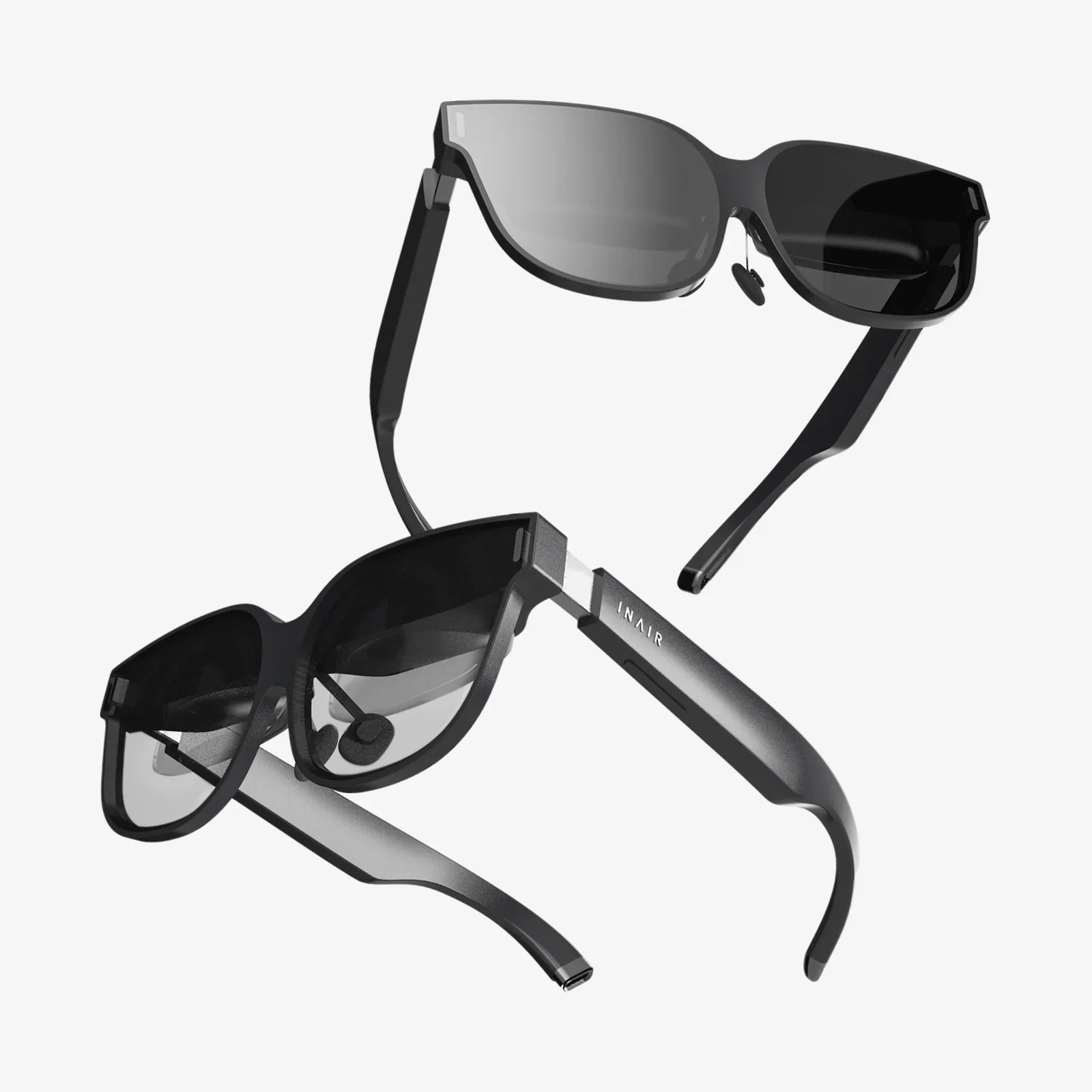
Have you ever found the perfect pair of glasses, only to have the experience ruined by a constant, nagging discomfort? That relentless slide down the bridge of your nose, the painful pinch that leaves red marks, or the awkward gap that just won’t close? For countless eyeglass wearers, this frustrating search for the ideal fit ends not with the frame style, but with a tiny, often overlooked component: the nose pad. The quest for all-day comfort and a secure, personalized fit leads directly to one ingenious solution: eyeglass frames with adjustable nose pads. This isn't just a minor feature; it's a fundamental shift in how eyewear interacts with your unique anatomy, promising an end to compromise and the beginning of truly bespoke comfort.
The Anatomy of Discomfort: Why Standard Frames Fail Us
To understand the revolution of adjustable nose pads, we must first diagnose the problem they solve. The human nose is as unique as a fingerprint. The bridge's width, height, angle, and contour vary dramatically from person to person. Yet, most standard eyeglass frames are designed with a one-size-fits-all approach to the nose area.
There are two primary types of standard nose supports:
- Fixed Nasal Bridges: Commonly found on plastic or acetate frames, these are a single, solid piece of material molded to form a predetermined bridge shape. While they offer a sleek, unified look, they provide zero adjustability. If the bridge of the frame doesn't match the unique contours of your nose bridge perfectly, you're left with gaps that cause the glasses to slide down, or pressure points that create painful indentations.
- Non-Adjustable Nose Pads: Many metal frames come with pre-molded, static nose pads made of silicone or a similar soft material. Although they are an improvement over fixed bridges by providing some grip, their angle and position are fixed. They cannot be tailored to the exact width or angle of your nose, often leading to the glasses sitting too high, too low, or unevenly.
The consequences of an ill-fitting nose bridge are more than just minor annoyances. They can lead to:
- Chronic Discomfort: Constant pressure on the nose can cause headaches and skin irritation.
- Poor Vision: If your glasses are constantly sliding down your nose, your eyes are no longer aligned with the optical center of the lenses. This forces you to look through the wrong part of the prescription, causing eye strain, blurred vision, and fatigue.
- Frame Damage: The habit of constantly pushing slipping glasses back up the nose can loosen the hinges and temples over time, leading to a shorter lifespan for your eyewear.
The Engineering of Perfect Comfort: How Adjustable Nose Pads Work
Eyeglass frames with adjustable nose pads address these fit issues with elegant, user-centric engineering. This system typically consists of three key components:
- The Pad Arms: These are small metal arms that extend from the front of the frame. They are made from a malleable yet durable metal alloy, allowing an optician—or the careful wearer—to bend them inward or outward to change the width between the two pads.
- The Nose Pads: These are the soft, often clear or skin-toned silicone pieces that actually rest on the sides of your nose. They are designed to be comfortable and hypoallergenic, providing grip without sticking.
- The Mounting: The pads are attached to the pad arms via a small screw or a snap-on mechanism, allowing for easy replacement if they ever become discolored or worn.
The true genius of this system lies in its multi-directional adjustability. Unlike a static piece of plastic, these pads can be meticulously calibrated in several planes:
- Horizontal Adjustment (Width): The pad arms can be bent to bring the pads closer together or farther apart. This customizes the fit for narrow or wide nasal bridges, ensuring the glasses' weight is distributed evenly without pinching.
- Vertical Adjustment (Height): By carefully bending the pad arms up or down, an optician can change how high or low the glasses sit on your face. This is crucial for ensuring your pupils are perfectly centered within the lenses for optimal vision.
- Angular Adjustment (Tilt): The pads can be rotated to match the exact angle of the sides of your nose. This eliminates gaps and creates a flush, secure contact that prevents rocking or sliding.
This level of customization means that the frames can be made to fit you, rather than you having to adapt to the frames. It’s the difference between wearing a tailor-made suit and one off the rack.
A Fit for All: The Universal Benefits of Customization
The advantages of opting for frames with adjustable nose pads extend far beyond simply stopping your glasses from slipping. This feature delivers profound benefits that enhance the entire eyewear experience.
Unparalleled Comfort and Stability
This is the most immediate and noticeable benefit. A properly adjusted set of nose pads will hold your glasses securely in place through all daily activities—from briskly walking to work to looking down at your phone. The weight of the frame is evenly distributed across a broader, more comfortable surface area, eliminating painful pressure points. You’ll forget you’re even wearing them, which is the ultimate goal of any wearable device.
Optimal Visual Performance
Eyewear is first and foremost a visual aid. For your prescription to work correctly, your eyes must be positioned precisely behind the lenses. Adjustable nose pads allow an optician to position the glasses at the exact height and distance from your eyes that your prescription requires. This ensures you are always looking through the optical center of the lens, maximizing clarity, reducing distortion, and preventing the eye strain and headaches associated with an improper fit.
Ideal for Challenging Fit Scenarios
Some face shapes and nasal structures are notoriously difficult to fit with standard frames. Adjustable nose pads are a game-changer for:
- Low or Flat Nasal Bridges: Individuals with a lower or flatter nose bridge often struggle with glasses that slide down or sit too far from their face, creating a large gap. Adjustable pads can be set to hold the glasses higher and closer, creating a secure seal.
- Narrow or Wide Set Eyes: The horizontal adjustability allows the glasses to be centered perfectly regardless of the distance between the eyes.
- Asymmetric Features: Very few faces are perfectly symmetrical. An adjustable system allows an optician to compensate for slight differences in the height or angle of each side of the nose, ensuring the glasses sit level.
Long-Term Value and Adaptability
Your face can change over time. Weight fluctuations, aging, or even minor facial surgery can subtly alter the landscape of your nose and cheeks. With fixed-frame glasses, this would mean needing an entirely new pair. With adjustable nose pads, a quick visit to your optician for a tune-up can readjust the fit to your current facial structure, extending the life and usefulness of your favorite frames.
Beyond the Basics: Considerations and Care
While the benefits are significant, choosing and maintaining frames with adjustable nose pads requires some knowledge.
The Professional Adjustment is Key
Although the pads are "adjustable," achieving that perfect fit is a job best left to a trained optician. They have the specialized tools and expertise to make minute, precise adjustments without damaging the fragile metal arms. They know how to fit the glasses while considering your prescription, facial symmetry, and personal comfort. Attempting drastic adjustments at home can easily lead to broken pad arms or an uneven fit.
Maintenance and Hygiene
The small crevices where the pad arms connect to the frame and the pads themselves can trap skin oils, sweat, and dirt. It's important to clean them regularly. The best practice is to remove the glasses and wash the nose pads gently with a mild soap and lukewarm water, using a soft brush to dislodge any grime. This prevents skin irritation and keeps the pads looking clear and new.
Potential for Wear and Tear
Over many years, the constant adjustment and readjustment can potentially fatigue the metal in the pad arms. However, this is a very long-term concern. The silicone nose pads themselves will eventually discolor or harden, but the beauty of the system is that these are inexpensive and easy to replace, often breathing new life into an old pair of frames.
The Future of Fit: Innovation in Eyewear Comfort
The concept of adjustable nose pads represents a broader trend in eyewear: the move towards hyper-personalization and user-centric design. We are seeing innovations like flexible, memory-metal alloys in pad arms that allow for more durable and resilient adjustments. Some designs are experimenting with magnetic, interchangeable nose pads in different sizes and materials to suit individual preference and activity.
This focus on micro-adjustment signals an industry-wide recognition that comfort is not a luxury, but a necessity. The goal is to create eyewear that is so intuitive and comfortable it becomes a seamless extension of the wearer. Adjustable nose pads are a critical step on this path, solving a fundamental problem with a simple, effective, and elegant mechanical solution.
Imagine a world where the headache of ill-fitting glasses is a distant memory, where your eyewear feels as natural as your own skin, staying perfectly in place from your morning coffee to your evening unwind. This isn't a futuristic fantasy—it's the tangible reality offered by a thoughtful choice in your frame's construction. The search for the perfect pair of glasses is ultimately a search for clarity, both in vision and in experience. By prioritizing the precise, personalized fit that only adjustable nose pads can provide, you're not just choosing a frame; you're choosing to see the world in uninterrupted comfort, finally free to focus on what's in front of you.
Share:
Portable Computer Monitor The Ultimate Guide to Your Mobile Second Screen
Interactive Smart Board Price - A Comprehensive Investment Guide for Modern Classrooms and Boardrooms