


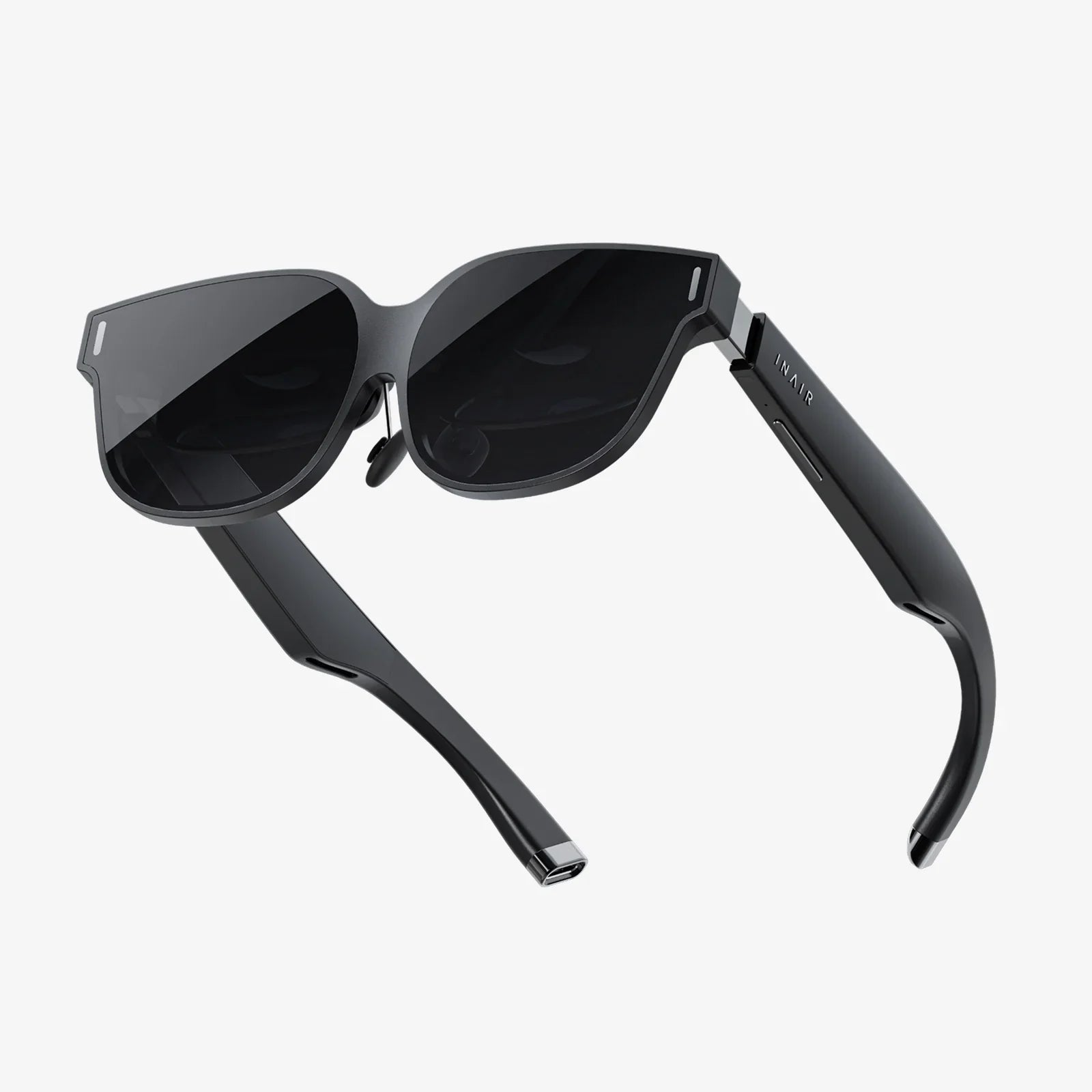
Imagine a world where the perfect pair of glasses is just a few clicks away, tailored precisely to your vision needs without the daunting markups and pressured sales pitches. This is the promise and the reality of the eyeglass lens direct revolution, a seismic shift in how we access one of the most vital health and lifestyle tools. The traditional journey to new eyewear, often confined to a limited selection within four walls, is being rapidly eclipsed by the boundless, informed, and empowering online marketplace. For the savvy consumer, buying lenses directly is no longer a niche alternative but a mainstream strategy for achieving superior value, unparalleled choice, and ultimate convenience. Ready to see the difference? Let's clear up everything you need to know.
The Digital Dispensary: Understanding the Direct-to-Consumer Model
At its core, the eyeglass lens direct model cuts out the intermediary. Instead of manufacturing lenses that are then sold to optical chains and independent practices, certain labs and specialized online retailers now sell their high-quality products straight to you. This streamlined supply chain translates into dramatic cost savings, often 30% to 60% less than traditional brick-and-mortar stores for comparable, if not superior, quality. But it's not just about price. This model empowers you with information. You are no longer limited to the inventory of a single store; you have access to a global repository of lens materials, designs, and cutting-edge technologies, allowing for a truly customized vision solution based on unbiased data and your specific lifestyle demands.
Beyond the Prescription: Decoding Your Lens Options
Walking into a store, you might be presented with one or two material options. Online, the wealth of choice can be initially overwhelming but ultimately liberating. Understanding these options is key to a successful direct purchase.
Lens Material: The Foundation of Your Glasses
The material of your lens determines its thickness, weight, durability, and clarity. The common choices include:
- Plastic (CR-39): A cost-effective standard option offering excellent optical clarity but is thicker and less impact-resistant than modern materials.
- Polycarbonate: The go-to for safety, active lifestyles, and children's eyewear. It's inherently impact-resistant, thinner than plastic, and offers 100% UV protection. Its main drawback is a lower Abbe value, meaning slightly more chromatic aberration (color distortion) at the peripheries for those with very strong prescriptions.
- High-Index Plastic: A miracle for those with stronger prescriptions. These materials are designed to bend light more efficiently, resulting in significantly thinner and lighter lenses, even for high powers. They come in various indices (e.g., 1.67, 1.74), with higher numbers providing greater thinning.
- Trivex: A newer material similar to polycarbonate but with a higher Abbe value for better optical clarity. It's lightweight and impact-resistant, making it an excellent all-around performer, though it can be slightly thicker than high-index options.
Lens Design: Single Vision, Bifocals, and Progressives
Your prescription will dictate the basic design, but even within these categories, there are tiers of technology.
- Single Vision: The most common design, correcting for one field of vision (distance, intermediate, or reading).
- Bifocals & Trifocals: Feature distinct segments with visible lines for correcting near and distance vision (and intermediate for trifocals).
- Progressive (No-Line Bifocals): The advanced, line-free option that provides a seamless gradient of correction from distance to near. Premium digital progressive lenses, often available direct, offer wider reading zones and smoother adaptation through personalized digital surfacing.
Essential Lens Treatments and Coatings
A raw lens is just the beginning. Coatings are what transform them into a modern, durable, and high-performance tool. Any reputable direct retailer will offer these as standard or easily selectable upgrades.
- Anti-Reflective (AR) Coating: Arguably the most important coating. It minimizes distracting glare from screens and headlights, reduces eye strain, and allows more light to pass through the lens for sharper vision. Premium AR coatings are also hydrophobic (repel water) and oleophobic (repel oils), making them much easier to clean.
- Scratch-Resistant Coating: A mandatory hard coating applied to the front and back of most plastic and polycarbonate lenses to extend their life.
- UV Protection: While polycarbonate and Trivex include it inherently, it must be added as a coating to other materials. 100% protection from UVA and UVB rays is essential for long-term eye health.
- Blue Light Filtering: A popular option that filters a portion of high-energy visible (HEV) blue light emitted from digital screens and LED lighting, potentially reducing digital eye strain and aiding sleep cycles.
- Photochromic Technology: Lenses that automatically darken when exposed to sunlight and clear up indoors. The latest versions are faster to react and work behind car windshields.
- Polarized Lenses: Primarily for sunglasses, these lenses contain a special filter that blocks intense reflected light (glare from water, snow, or pavement), drastically improving visual comfort and clarity outdoors.
The Blueprint for Success: Your Prescription and Measurements
This is the most critical step in the direct buying process. An incorrect prescription or measurement will result in unusable glasses, regardless of the lens quality.
Your Optical Prescription
You have a legal right to your prescription after an eye exam. Ensure you have a copy, either paper or digital, and that it is current (typically no older than two years). Carefully check that all fields are filled out correctly: Sphere (SPH), Cylinder (CYL), Axis, and Add power (if needed for reading). The Pupillary Distance (PD) is the other absolutely crucial measurement.
Pupillary Distance (PD)
This is the distance in millimeters between the centers of your pupils. A traditional optician measures this while fitting your glasses. Many direct retailers provide easy-to-use tools and guides for measuring your PD at home using a ruler and a mirror. For progressive lenses, a more precise measurement, including the height of your pupils relative to the chosen frame (Seg Height or OC Height), is essential for optimal performance and must be provided.
The Frame Factor
If you are sending in your own frame to be fitted with new lenses, the process is straightforward. If you are buying a new frame online, choose carefully. The frame's shape and size will influence the final aesthetics of your lenses, especially for stronger prescriptions. A larger frame will result in thicker edges for a minus (nearsighted) prescription. Many sites offer virtual try-on tools, and paying close attention to the frame's measurements (lens width, bridge width, temple length) is key to a good fit.
Navigating the Online Ordering Process
A typical direct ordering workflow is designed to be user-friendly:
- Enter Your Prescription: You'll be prompted to input all the values from your prescription into a detailed form.
- Select Your Lens Options: This is where you choose your material (e.g., high-index 1.67), design (progressive), and all desired coatings (AR, blue light, etc.). The site should clearly explain the benefits and trade-offs of each option.
- Choose or Provide a Frame: Select a new frame from the retailer's collection or indicate you will be mailing in your own.
- Provide Measurements: Enter your PD and any other required measurements. Reputable sites will have robust customer support to guide you through this.
- Review and Checkout: Double-check every entered value before finalizing your payment.
Dispelling the Myths: Addressing Common Concerns
Despite its growth, hesitation remains. Let's address the most common concerns head-on.
Myth 1: "The Quality is Inferior."
Reality: The lenses offered by top direct retailers often come from the same large, certified laboratories that supply traditional optical stores. They utilize the same advanced free-form digital surfacing technology to create precision lenses. The difference is the business model, not the quality control.
Myth 2: "I Won't Get Professional Service or a Proper Fit."
Reality: While you forfeit the in-person experience, it is replaced by detailed educational resources, sophisticated fitting guides, and accessible customer service teams staffed by optical professionals. For most standard prescriptions, self-measuring is highly accurate. For complex prescriptions, some may still prefer an in-person fitting, but the direct option remains a powerful and cost-effective one for many.
Myth 3: "Returns and Adjustments Will Be a Nightmare."
Reality: The best direct sellers stand firmly behind their products with generous satisfaction guarantees and easy return policies. They understand that trust is their currency. While you may need to visit a local optician for minor frame adjustments (a small fee may apply), the overall value proposition often remains strongly in your favor.
A Clear Vision for the Future
The paradigm of eyeglass lens direct is not a fleeting trend but a fundamental and permanent evolution in optical retail. It champions transparency, education, and consumer empowerment over opaque pricing and limited selection. It democratizes access to high-quality vision care, making it affordable for more people to own multiple pairs for different needs—a dedicated pair for the computer, stylish sunglasses, and durable specs for sports. By arming yourself with knowledge about your prescription, the available technologies, and the precise measurements required, you can navigate this new landscape with absolute confidence. The future of seeing clearly is looking smarter, more personalized, and more accessible than ever before. Your journey to better vision and better value starts with understanding the power now resting directly in your hands.
Share:
Virtual 3D Glasses: The Portal to Immersive Digital Realities and the Future of Experience
What Do Smart Sunglasses Do? Exploring the Future of Wearable Tech on Your Face