


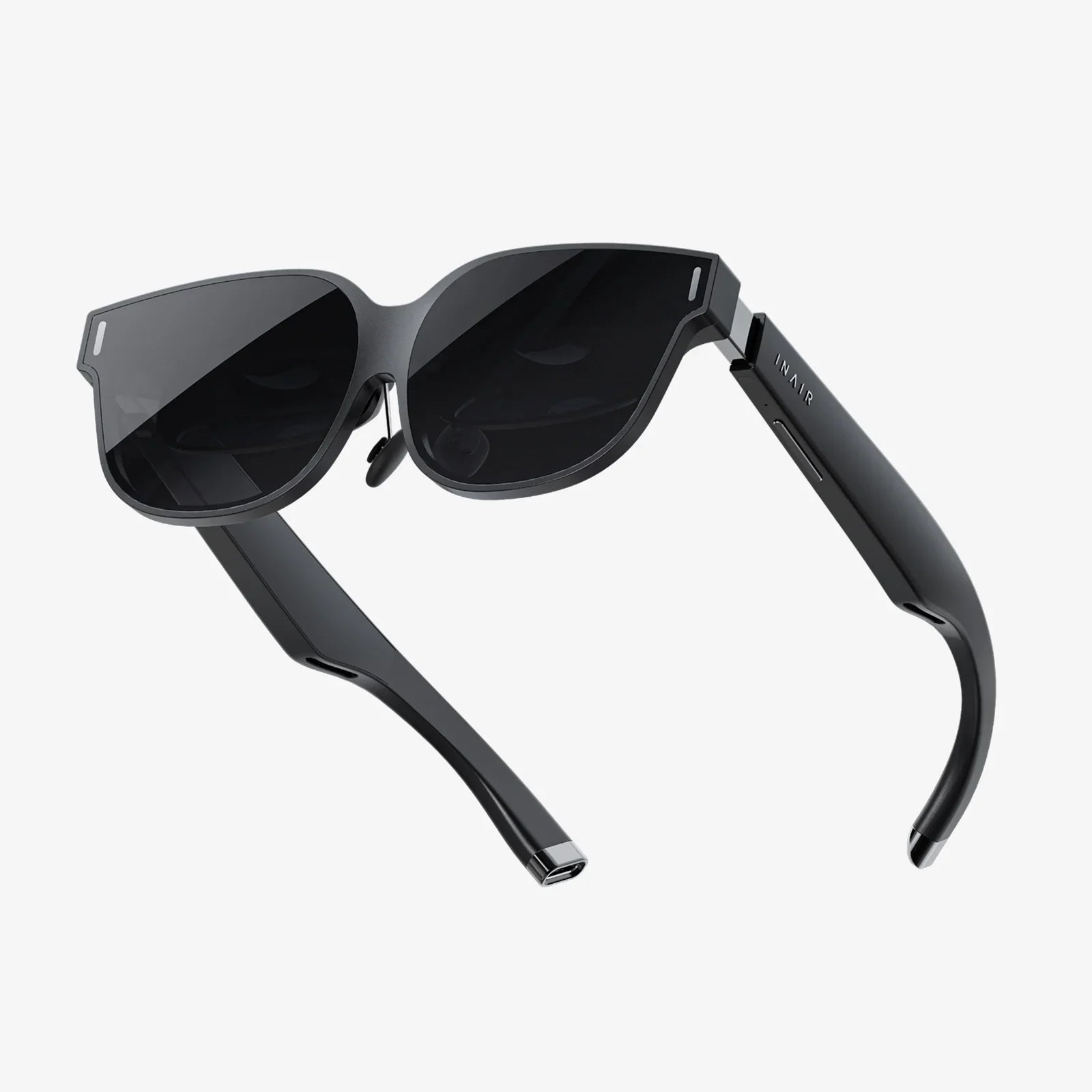
Imagine a world where your sunglasses do more than just shield your eyes from the sun—they connect you to a digital universe, translate foreign signs in real-time, and play your favorite soundtrack to the world around you. This isn't a glimpse into a distant sci-fi future; it's the reality offered by the current generation of smart sunglasses. This innovative wearable technology is poised to revolutionize how we interact with information, entertainment, and our environment, all from behind the sleek, stylish facade of a classic pair of shades. The question is no longer if they can do it, but what exactly they can do for you.
The Core Functionality: More Than Meets the Eye
At their most fundamental level, smart sunglasses are a convergence of advanced micro-electronics, optical technology, and minimalist design. They are engineered to pack significant computing power and connectivity into a form factor that is both lightweight and aesthetically pleasing. Unlike their bulkier augmented reality headset cousins, smart sunglasses prioritize discretion and social acceptance, aiming to look and feel as close to regular high-end sunglasses as possible.
The magic happens through a combination of core components hidden within the arms and frames. These typically include:
- Integrated Speakers: High-fidelity, open-ear speakers are embedded in the temples, directing sound waves towards your ears without blocking ambient noise. This allows for immersive audio while keeping you aware of your surroundings—a critical feature for safety when walking or cycling.
- Microphones: Array microphones are strategically placed to pick up your voice clearly for phone calls and voice assistant interactions, while advanced algorithms work to cancel out wind and background noise.
- Connectivity Chips: Bluetooth technology is the standard for connecting to your smartphone, acting as a wireless headset. Some advanced models may also include cellular connectivity for complete independence from a phone.
- Battery: A compact rechargeable battery is housed in the frames, providing several hours of continuous audio playback or call time. The goal is to last a full day of use on a single charge.
- Touch and Voice Controls: Instead of buttons, touch-sensitive surfaces on the arms allow you to adjust volume, skip tracks, or answer calls with a swipe or tap. Voice commands offer a hands-free alternative.
The Audio Experience: Your Personal Soundtrack
The most immediate and widely adopted feature of smart sunglasses is their ability to function as a premium audio device. This transforms them from passive eyewear into an active entertainment hub. Whether you're commuting, working out, or simply relaxing outdoors, they provide a seamless way to listen to music, podcasts, and audiobooks.
The open-ear audio design is a game-changer. It solves a major pain point of traditional headphones: situational awareness. Runners and cyclists can enjoy their motivation playlist while still hearing traffic, conversations, and potential hazards. Professionals can take conference calls during their lunchtime walk without being completely disconnected from the environment. This technology fosters a blended auditory experience, merging your digital audio with the real world, rather than replacing it entirely. The sound quality has advanced dramatically, with spatial audio and bass enhancement technologies creating a rich, personal sound sphere that doesn't leak excessively to those around you.
Staying Connected: Communication Reimagined
Smart sunglasses seamlessly integrate with your smartphone to manage communication. When a call comes in, the audio seamlessly switches from your music to the caller's voice. The beamforming microphones ensure your side of the conversation is crystal clear, even in moderately noisy environments. This hands-free approach is not only convenient but also promotes safer practices, especially for those who are active or driving. Furthermore, integration with voice assistants like Siri or Google Assistant means you can send messages, set reminders, check the weather, or get directions without ever reaching for your phone. A simple voice command is all it takes to interact with your digital ecosystem, making information access faster and more intuitive than ever before.
The Frontier: Augmented Reality and Intelligent Features
While audio is the present, augmented reality (AR) represents the exciting future and the true potential of what smart sunglasses can do. This is where they evolve from a peripheral device into a transformative platform for overlaying digital information onto your physical reality.
Early implementations of this technology are already here. Imagine:
- Real-Time Navigation: Instead of looking down at your phone, directional arrows and distance markers are projected onto your field of view, guiding you to your destination as you walk or cycle through a city.
- Live Translation: Look at a menu in a foreign language, and the translated text appears to hover over the original, breaking down communication barriers instantly.
- Fitness Metrics: For athletes, real-time data like heart rate, pace, distance, and altitude could be displayed in the corner of their vision, providing performance feedback without interrupting their activity.
- Information Layers: Point your gaze at a landmark, and historical facts or visitor information pop up. Look at a restaurant, and see its reviews and star rating.
This is achieved through micro-displays, waveguides, and sophisticated sensors that map the environment. While full-color, wide-field-of-view AR is still developing, the foundational technology is being actively integrated into smart sunglasses, setting the stage for a revolution in how we perceive and interact with the world.
Capturing the Moment: The Question of Privacy
Another powerful, albeit controversial, capability of some smart sunglasses is integrated photography and videography. With miniature cameras embedded discreetly in the frames, users can capture photos and short video clips from a first-person perspective with a simple voice command or touch control.
This enables a truly hands-free way to document life's moments—from a breathtaking summit view on a hike to a child's first steps at the park—without the barrier of holding up a phone. It promises a more authentic and immersive form of content creation. However, this feature rightly raises significant privacy concerns. The discreet nature of the technology means others may not know when they are being recorded. Responsible manufacturers address this with clear physical indicators, like an LED light that illuminates when the camera is active, and strict data handling policies. The ethical use of this technology remains a critical discussion point for developers and users alike.
Design and Practicality: Built for Everyday Life
For any wearable technology to succeed, it must be something people actually want to wear. The designers of smart sunglasses understand this implicitly. The best models are indistinguishable from high-fashion optical wear, offering a variety of frame styles, lens shapes, and colors to suit personal taste. They are built with durable, often flexible, materials for comfort and longevity.
Practical considerations are also paramount. Most offer polarized, UV-protective interchangeable lenses, allowing you to swap out darker lenses for a clear pair for indoor use or night time. Battery life is constantly improving, with charging cases that provide multiple additional charges on the go. They are designed to be your everyday sunglasses, first and foremost, with the smart features feeling like a natural and integrated bonus rather than the sole purpose of the device.
Challenges and Considerations
Despite the impressive capabilities, the category of smart sunglasses still faces hurdles. Battery technology limits always-on AR features, as processing complex visual data is power-intensive. The cost of entry is currently high, positioning them as a premium gadget. Furthermore, the social and legal landscape is still adapting. Laws regarding the use of recording devices in public spaces vary, and social etiquette for such devices is still being formed. Users must navigate these considerations thoughtfully.
Ultimately, smart sunglasses represent a significant step towards a more integrated and seamless future of technology. They move computing off the screen and into our environment, offering information and utility without demanding our full attention. They are a bridge between the digital and physical worlds, enhancing our experiences rather than isolating us from them.
The next time you see someone wearing a sleek pair of sunglasses, they might be listening to a symphony, following a map only they can see, or capturing a memory in the blink of an eye. The potential locked within those frames is limited only by the imagination of engineers and the evolving needs of users. This isn't just a new gadget; it's a new way of seeing and interacting with the world, and it's available right now for those ready to look toward the future.
Share:
Eyeglass Lens Direct: The Ultimate Guide to Buying Lenses Online
AR and VR Applications: Reshaping Reality and Revolutionizing Industries